What You'll Need
- Native flowering plants in a mix of bloom shapes (tubular + flat + daisy-type)
- A shallow dish, pebbles, and water for a pollinator watering hole
- A bare soil patch left undisturbed for ground-nesting bees
- Dead hollow stems or a small brush pile for cavity-nesting bees
- Zero pesticides or herbicides — not even organic ones
How To Do It
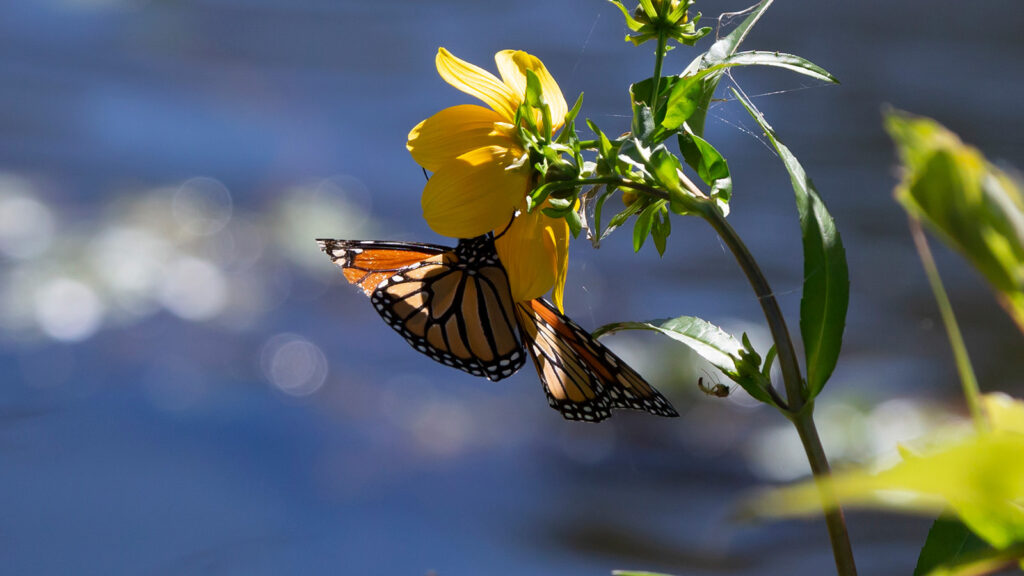
- Plant for Diversity — choose a mix of bloom shapes. Tubular flowers for hummingbirds, flat open flowers for bees, daisy-types for butterflies. Bees especially love blue, purple, and yellow.
- Plant for All Seasons — select plants that bloom from early spring through late fall. At least one plant blooming per season so there's never a hungry gap.
- Leave Messy Spots — leave a bare soil patch for ground-nesting bees and keep dead hollow stems for cavity-nesters. Tidiness is the enemy of a pollinator garden.
- Add a Watering Hole — fill a shallow dish with pebbles and water so insects can land safely while drinking.
- Wait and Watch — first visitors arrive within days of the first bloom.
Grandma Says
The single most powerful thing you can do for pollinators is stop using pesticides — even so-called natural ones. Every spray that kills aphids also kills the beneficial insects that were eating those aphids for free.