Does Earl have eyes?
Grandma says:
Earthworms do not have eyes like people or dogs. They can sense light and dark through their skin.
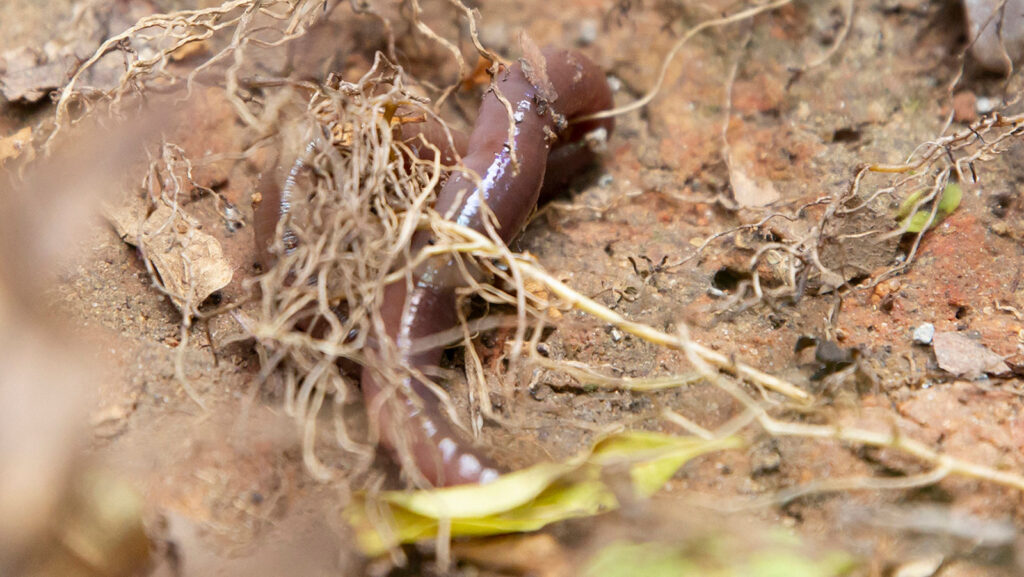
Earl lives under Grandma’s garden, where the dirt is never just dirt and every fallen leaf can become lunch.
Earl is an earthworm. He does not have fur like Scott, feathers like Biv, or scales like Grenda. He has a long, soft body made of many little rings called segments. Most of the time, Earl stays underground, where the soil is cool, damp, dark, and full of roots, leaves, tiny bugs, and bits of old plants.
Grandma knows Earl is there even when she cannot see him.
She sees little holes in the soil. She sees small piles of crumbly dirt after rain. She sees a flower bed that stays loose instead of packed hard as a brick. Then she nods and says, “Earl has been working.”
Tootie hears that one morning while Grandma is checking the little garden.
“Earl has a job?” he asks.
Grandma points at the tomato bed. “A very important one.”
Yoshi sits nearby in the shade, her pointy ears twitching toward the sounds of birds in the yard. “What does he do?”
Grandma presses one finger into the soil. “He helps keep the ground healthy.”
Tootie looks confused.
“The ground gets sick?”
Grandma smiles. “The ground gets tired, packed down, too wet, too dry, or short on the things plants need. Earl helps keep they loose and useful.”
Tootie thinks about this.
“So Earl is a dirt doctor?”
Grandma looks down at the garden bed. “That is not his official title, but he may like they.”
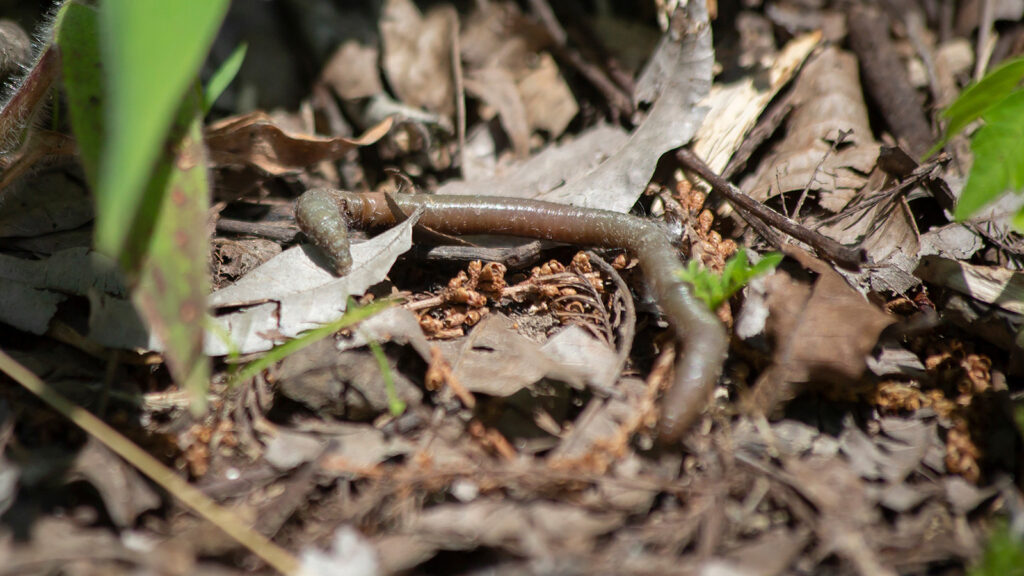
Earl does not live in a nest, a tree hollow, or Grandma’s front-yard shrubs. He lives below the ground in the soil around the flower beds, garden plants, fallen leaves, and mulch.
The soil gives Earl food, moisture, and places to hide. He needs damp skin to breathe, so dry ground can be dangerous for him. When the weather gets hot and dry, Earl may move deeper into the soil where they stays cooler and wetter.
After a good rain, Earl may come closer to the surface. That is when people sometimes see earthworms on sidewalks, driveways, or wet ground.
Tootie once saw Earl stretched across the edge of a garden bed after rain.
“He got lost,” Tootie said.
Grandma shook her head. “He may be looking for softer ground, or he may have come up because the soil is full of water.”
Yoshi looked down at Earl. “Can he get back home?”
Grandma nodded. “Usually, if he finds moist soil soon enough.”
That is why Grandma does not let Tootie poke at him, carry him around, or turn him into a porch toy.
Tootie looks offended every time this rule comes up.
Grandma says, “Earl is not a noodle. He has places to be.”
Earl started life inside a tiny egg case called a cocoon.
Earthworms have an unusual family plan. Adult earthworms have the parts needed to make both eggs and sperm, but they still meet another earthworm to make young. Later, each earthworm can make a small cocoon in the soil. Tiny baby earthworms grow inside.
When the baby worms hatch, they already look like very small earthworms. They do not have parents bringing them food or teaching them how to crawl. They move into the soil and begin finding tiny pieces of food for themselves.
Tootie thinks that sounds lonely.
Grandma pats his head. “Different animals grow up in different ways. Earl has the whole soil around him.”
As Earl grows, his body gets longer and stronger. He moves through the soil by squeezing and stretching. Tiny bristles on his body help him grip the dirt so he can pull himself forward.
Tootie wants to know where Earl’s legs are.
Grandma says, “He does not have legs.”
Tootie looks at Earl.
“Then how does he move?”
Grandma says, “Muscles, little bristles, and a lot of determination.”
Yoshi watches Earl disappear into the dirt.
“That sounds tiring,” she says.
Grandma nods. “They probably is. Earl does not get to ride in a wagon.”
Earl eats soil.
That sounds strange because soil does not look like food. But soil holds tiny bits of dead leaves, old roots, soft plant pieces, fungi, bacteria, and other tiny things that Earl can use.
When Earl moves through the dirt, he eats little bits of soil and organic matter. Organic matter means pieces of plants and other natural things that are breaking down.
A fallen leaf may sit on the ground for a while.
Rain and tiny living things begin breaking they apart.
Earl may pull a piece underground or eat soil near they.
Then he leaves behind castings.
Castings are the little piles of soil Earl leaves after he digests his food.
Tootie wrinkles his nose. “Is that worm poop?”
Grandma says, “Yes. Gardeners call they castings because they are trying to sound polite.”
Yoshi’s ears twitch.
“Does they help?”
Grandma nods. “They do. Earl’s castings can help put nutrients back into the soil where plants can use them.”
Tootie looks very impressed.
“So Earl eats dirt and makes better dirt?”
Grandma smiles. “That is one way to put they.”
Earl’s tunnels help the soil in Grandma’s garden.
As he moves underground, he leaves little spaces behind him. Water can move through those spaces. Air can move through them too. Plant roots can sometimes grow into the loose soil around old worm tunnels.
That matters because plant roots need water, air, and room to spread.
Grandma knows Earl’s work helps her flowers and garden plants. He does not grow the tomatoes by himself. He does not make the azaleas bloom by magic. But he helps keep the soil in better shape for plants.
Grandma says, “Earl handles the underground department.”
Tootie looks at the tomato plants.
“Do they know he is helping?”
Grandma laughs. “Plants do not send thank-you notes, but they use what the soil gives them.”
Earl also helps mix old leaves and plant pieces into the ground. That keeps useful material from sitting on top forever. The soil changes a little at a time, and plants get a better chance to grow.
Yoshi watches Grandma pull a few weeds from the bed.
“So Earl helps below, and Grandma helps above?”
Grandma nods. “That is the arrangement.”
Tootie asks, “What do I do?”
Grandma looks at his paws.
“You stay out of the azaleas.”
Earthworms need damp skin to breathe. That is why Earl likes moist soil and shady places under leaves, mulch, or garden plants.
After rain, the ground can become wet enough that Earl travels near the surface. Sometimes heavy rain fills the spaces in the soil with water, and worms move around looking for a place where they can still get oxygen.
That is why people may see Earl on a walkway after a storm.
Tootie thinks Earl should stay inside where they are safe.
Grandma says, “Earl does not have an inside. His whole world is soil.”
Yoshi looks toward the wet garden bed.
“Then rain changes his whole house.”
Grandma nods. “Exactly.”
When the sun comes out and the ground starts drying, Earl needs to get back into moist soil. If an earthworm stays in hot, dry sun too long, they can dry out.
That is one reason Grandma tells Tootie to leave him alone.
Tootie says, “I would not eat him.”
Grandma gives him a look.
“That was not the only concern.”
Earl does not meet the whole backyard crew the way Biv, Kevin, or Scott do. Most of the time, Earl is below them.
Biv may land near the garden and never know Earl is working under the soil.
Kevin may walk across the yard, looking for a snack, while Earl moves below his feet.
Scott and Phoenix may bury pecans near places Earl has already tunneled through.
Grenda may hunt insects near the shrubs while Earl works under damp leaves and mulch.
Helen visits flowers above the soil. Earl works below the roots.
Grandma says the backyard has an upstairs and a downstairs.
Tootie likes that idea.
“So Earl lives downstairs?”
“Yep,” Grandma says. “And he does not appreciate people stomping around up there.”
Yoshi looks at Tootie.
Tootie looks at his paws.
Grandma says, “No digging.”
Tootie sighs.
One rainy afternoon, Tootie sees Earl on the edge of the driveway.
“Grandma! Earl is outside!”
Grandma hurries over with Yoshi behind her. Earl is stretched across wet concrete, moving slowly toward the garden bed.
Tootie wants to pick him up.
Grandma holds out a hand. “No touching. We can help without grabbing.”
She finds a damp leaf and gently places they near Earl so he has shade. Then she lets him keep moving toward the soil.
Tootie watches closely.
“Why can’t I move him?”
Grandma says, “Earthworms are soft and easy to hurt. A grown-up can decide whether an animal needs help, but most of the time, wild animals need space more than hands.”
Yoshi watches Earl reach the edge of the garden.
“He found the dirt.”
Grandma nods. “Earl knows what he is doing.”
Tootie looks relieved.
Then he notices a puddle.
“Can I jump in that?”
Grandma says, “Absolutely not.”
Tootie once saw Earl moving through wet soil and called him a baby snake.
Grandma explained that earthworms and snakes are very different.
Grenda has scales, eyes, a tongue, and a long body made for moving through shrubs and leaves.
Earl has soft, ringed segments and no legs. He does not have scales. He does not have a snake tongue. He does not hunt grasshoppers.
Earl eats soil and old plant pieces.
Grenda eats insects and spiders.
Tootie thinks this is easy to remember.
“Grenda has a face. Earl has dirt.”
Grandma pauses.
“That is not the best science sentence I have ever heard,” she says. “But you are headed in the right direction.”
Yoshi gives one small tail wag.
Earl needs moist soil, leaves, mulch, and safe places underground.
Grandma helps by leaving some fallen leaves in garden beds, using mulch around plants, and avoiding too many harsh chemicals. Mulch can help the soil stay cooler and hold moisture. Leaves and plant pieces can become food for earthworms and other tiny soil helpers.
People can also help by not digging up every corner of the yard just because they can.
Tootie hears that part.
Grandma looks directly at him.
“Especially puppies.”
Tootie sits very still.
Yoshi’s ears twitch.
Grandma says, “That is the best decision you have made all day.”
Draw a maze with these parts:
Start: Earl on the wet edge of the driveway after rain
Safe stops: a damp leaf, a shady flower bed, Grandma’s mulch pile, and Yoshi sitting on the porch
Wrong turns: Tootie’s digging spot, a dry sunny patch, Kevin’s snack pile, and a puddle near the street
Finish: Soft soil beneath Grandma’s tomato plants
Add Grandma standing near the garden with a watering can. Add Tootie looking curious from several steps away.
Maze caption:
Earl needs to get back to damp soil before the sun dries the ground. Help him reach Grandma’s garden bed safely.
Earl the Earthworm
These are some helpful words for talking about this wild neighbor.
Earl the Earthworm
Good wildlife watchers ask good questions. Here are a few to get you started.
Earthworms do not have eyes like people or dogs. They can sense light and dark through their skin.
Wet soil can make worms move closer to the surface or search for a better place to breathe.
Earl eats soil with tiny bits of old plants and other natural food mixed in.
His tunnels help air and water move through the soil. His castings can add nutrients that plants use.
No. Earthworms do not bite people.
They are better to watch him gently and leave him in moist soil. Earthworms are soft and easy to hurt.
No. Earl is an earthworm. Snakes have scales and eat animals. Earl eats soil and decaying plant material.
Children should watch earthworms gently and avoid handling them unless an adult decides one needs help. Keep worms in moist soil, never hot pavement or dry containers. Wash hands after touching soil, mulch, or garden tools.