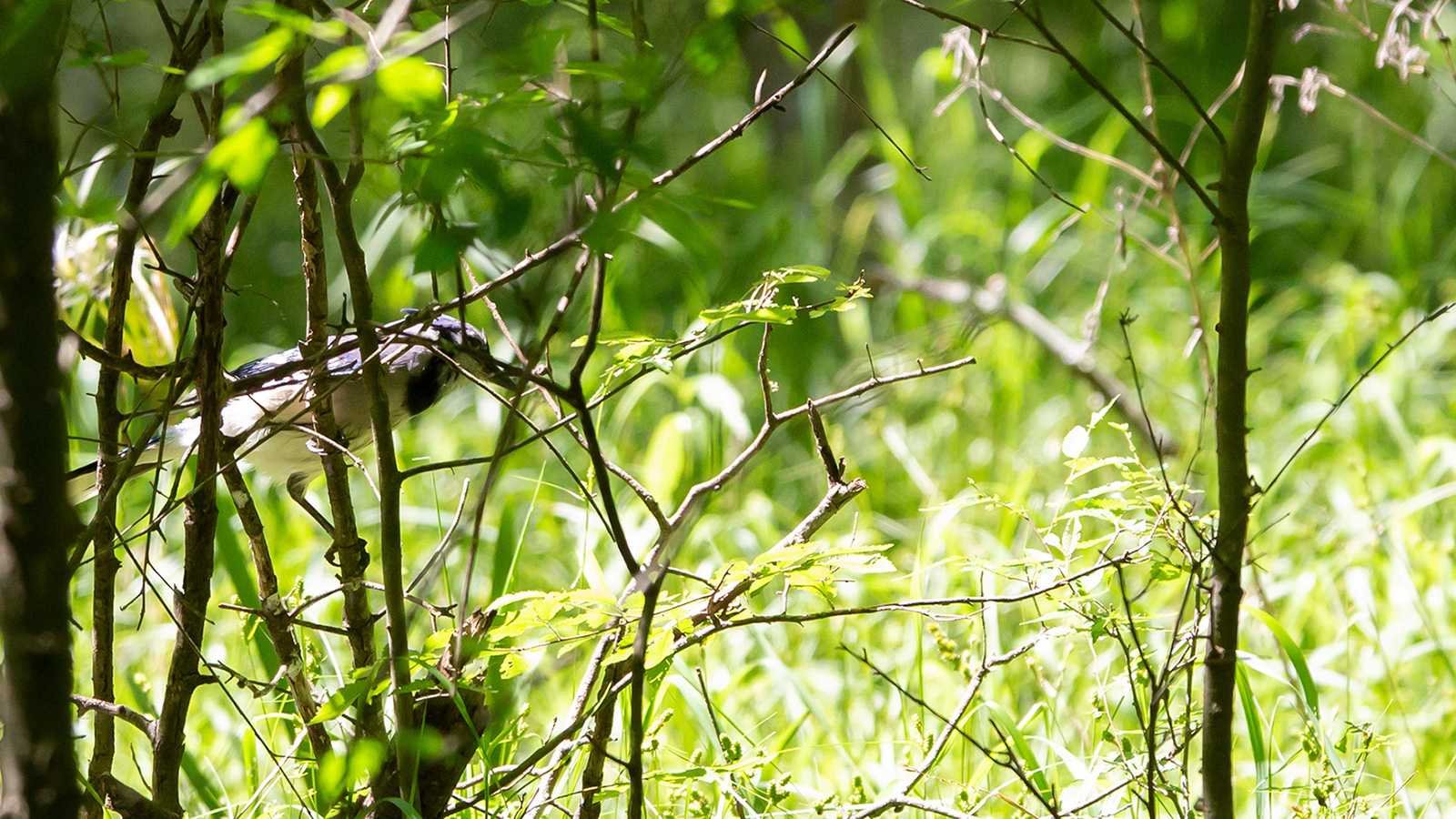
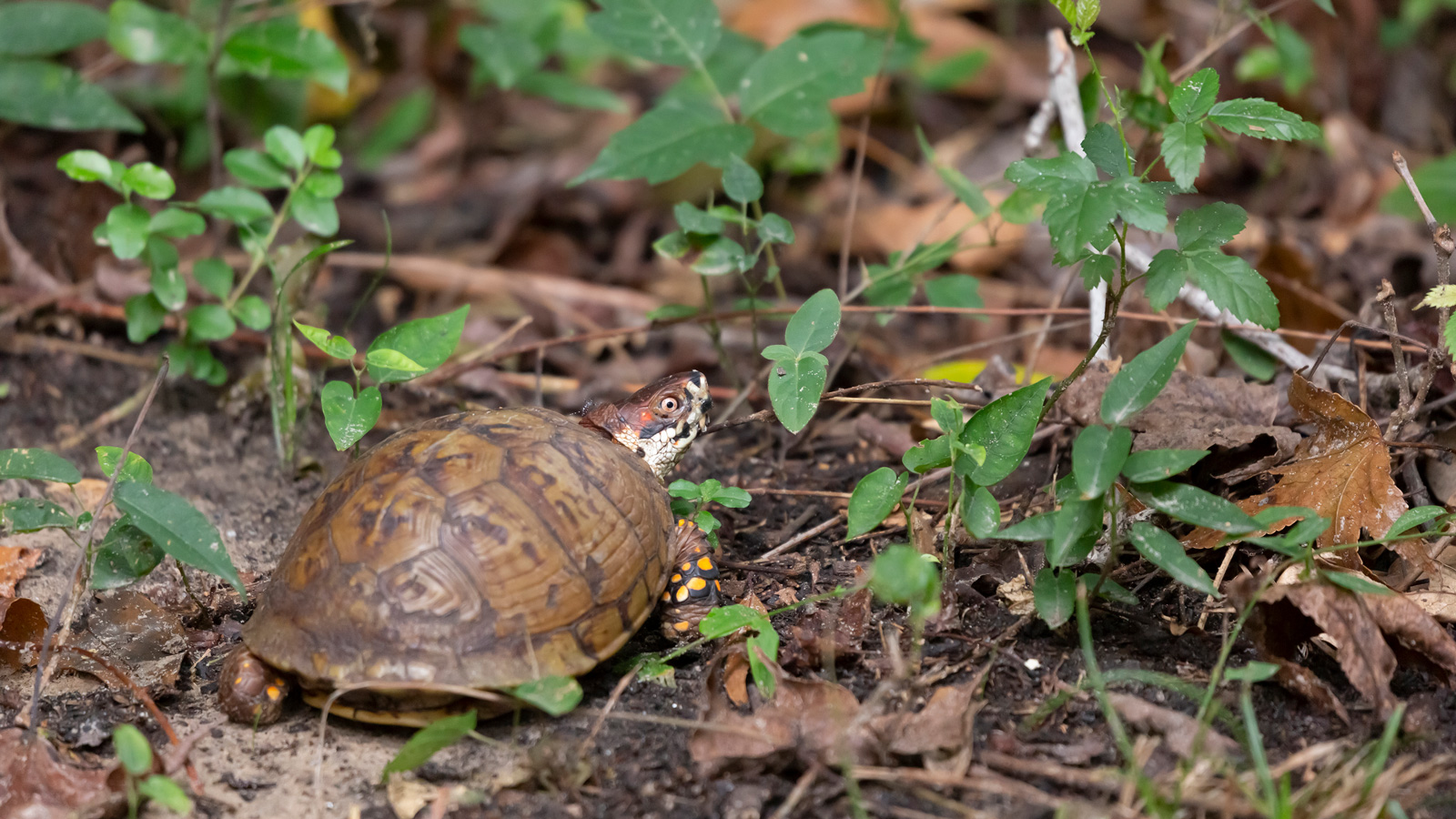
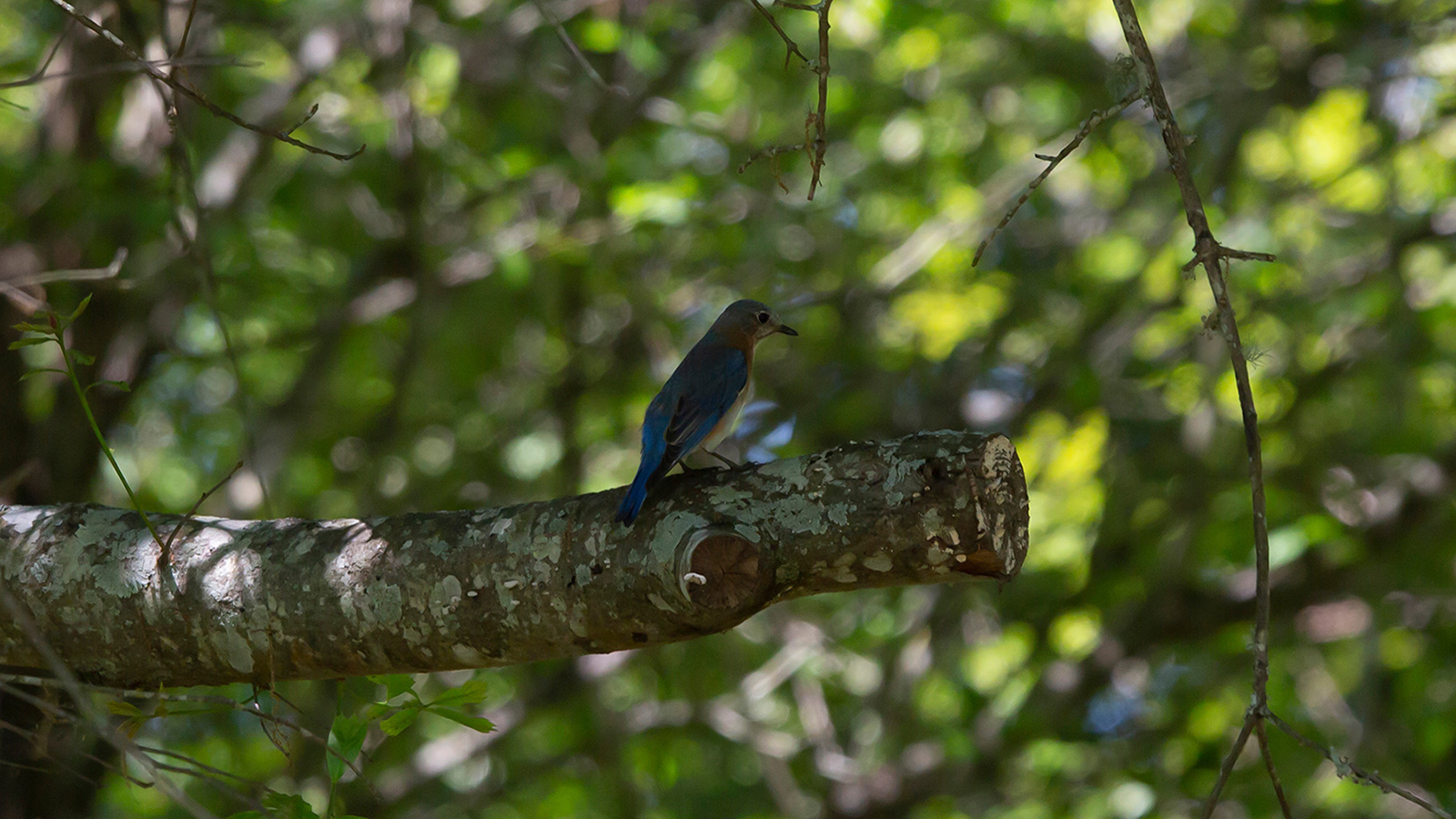
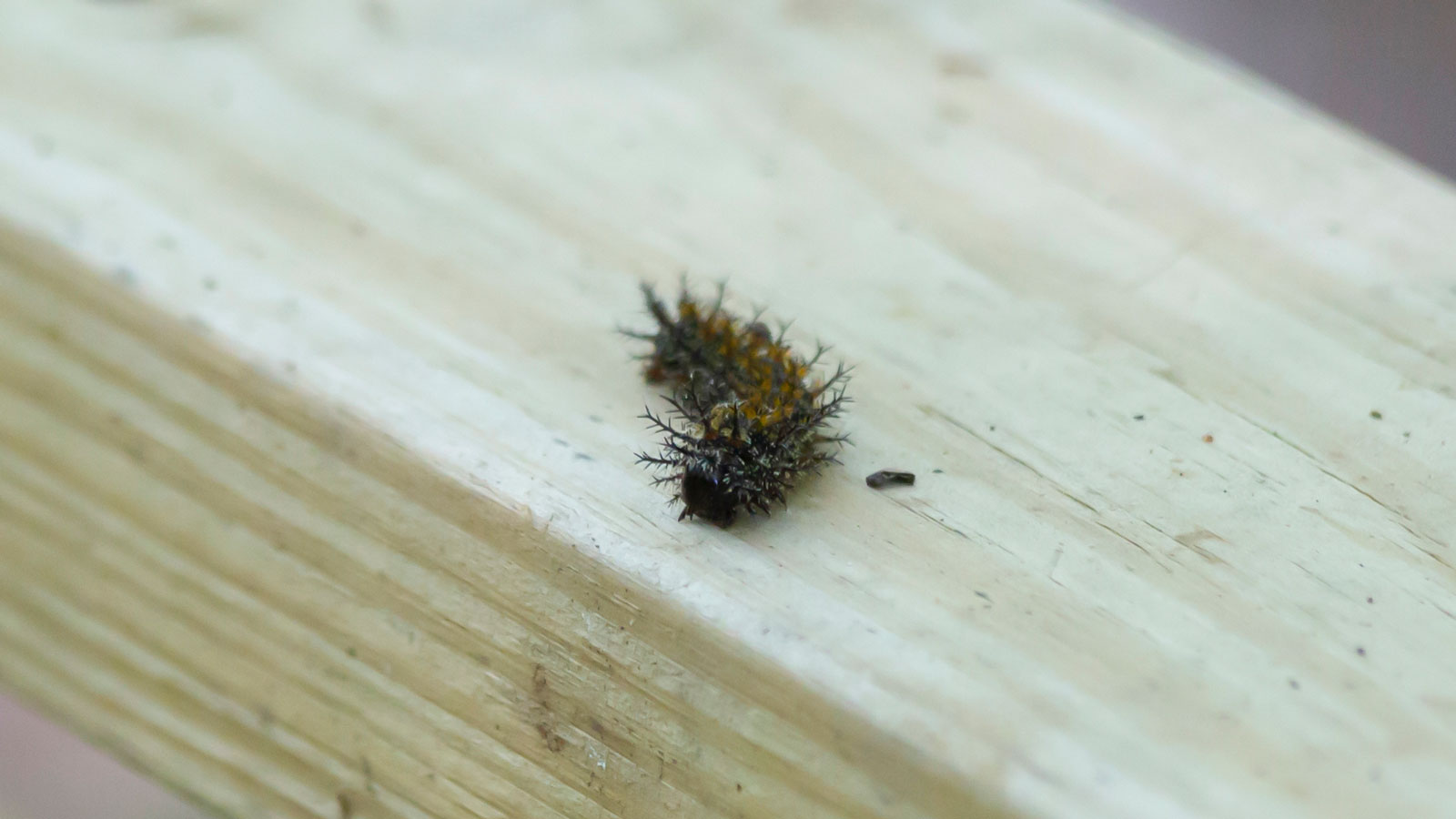
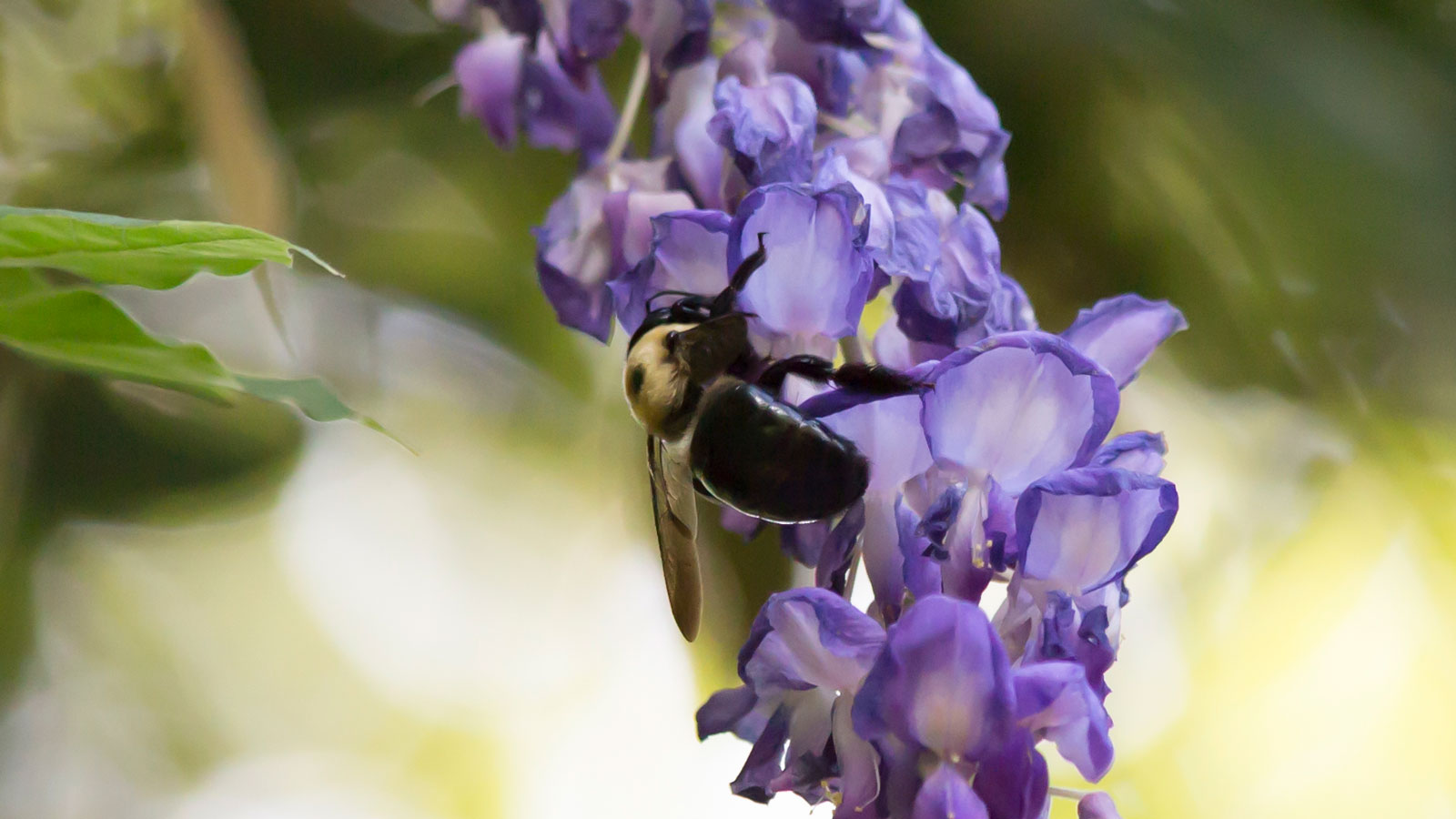
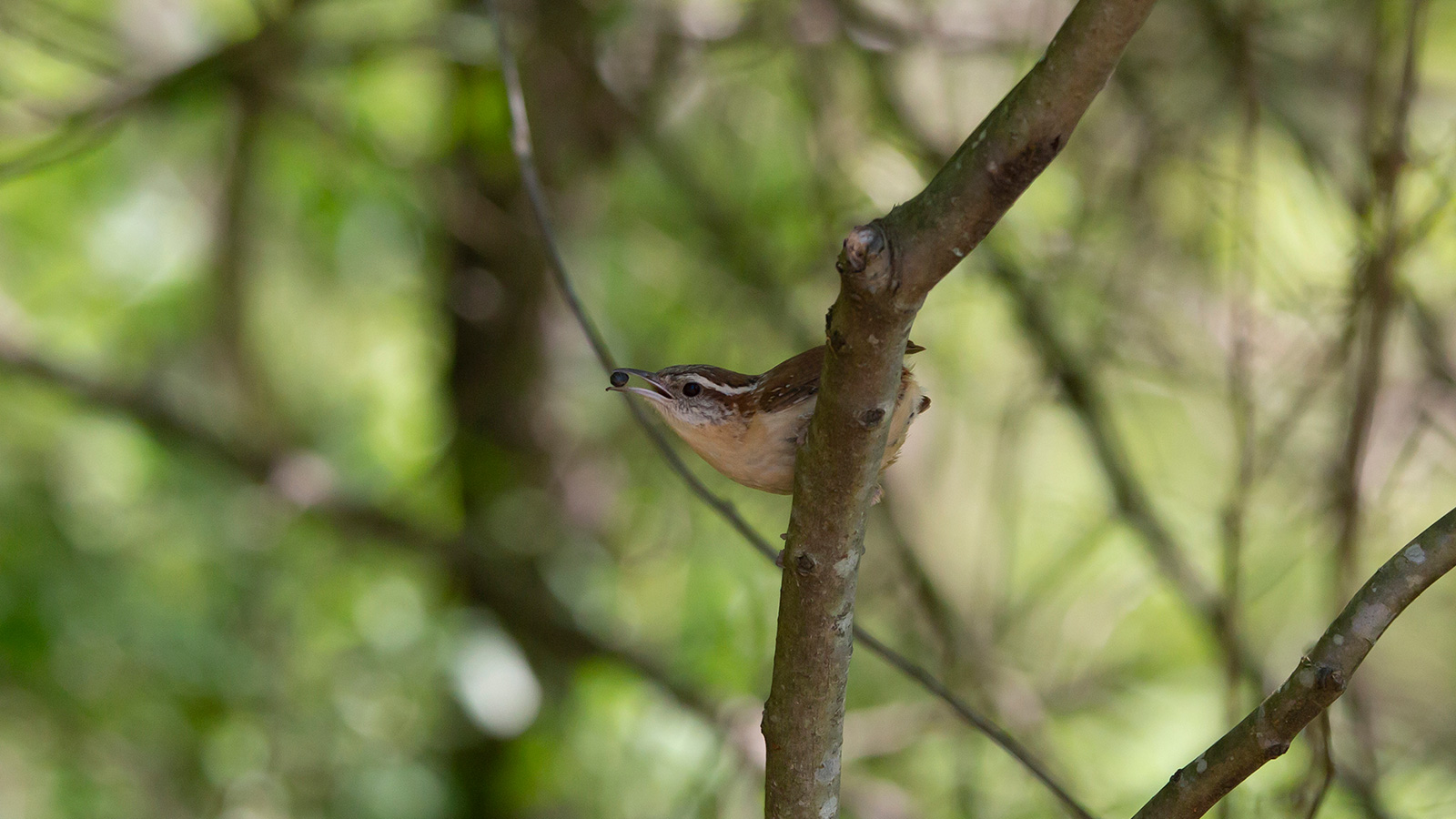
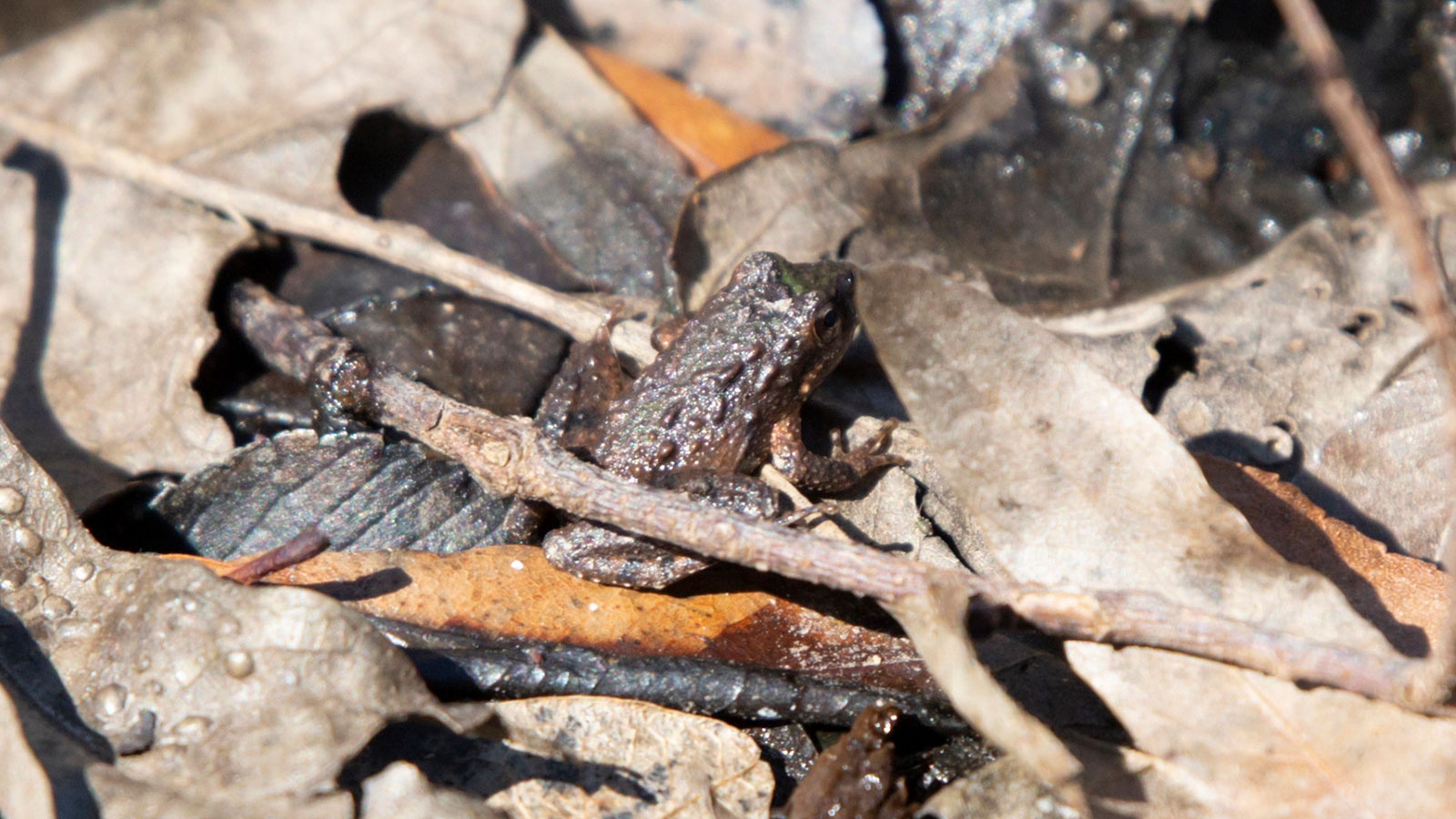
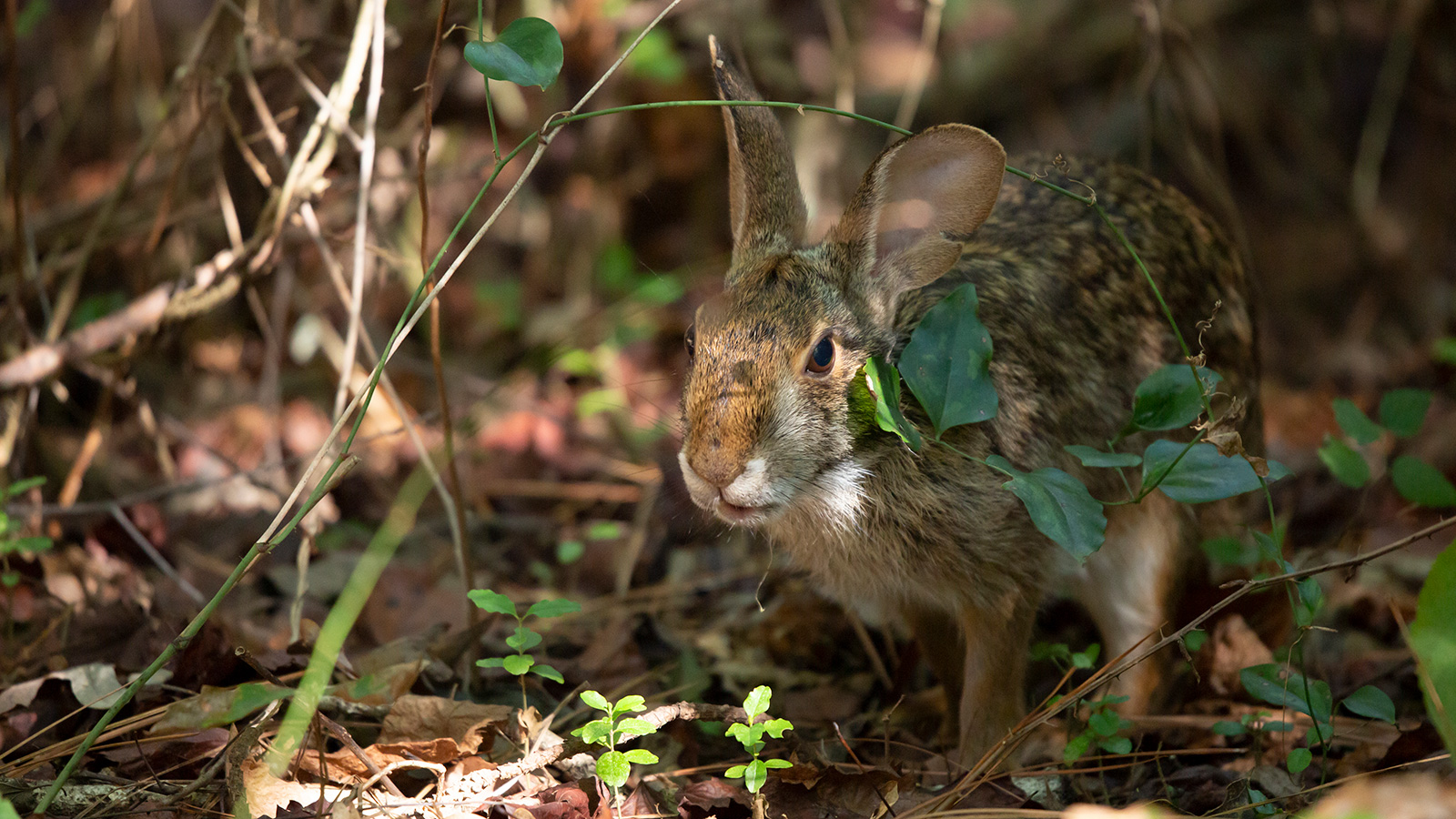
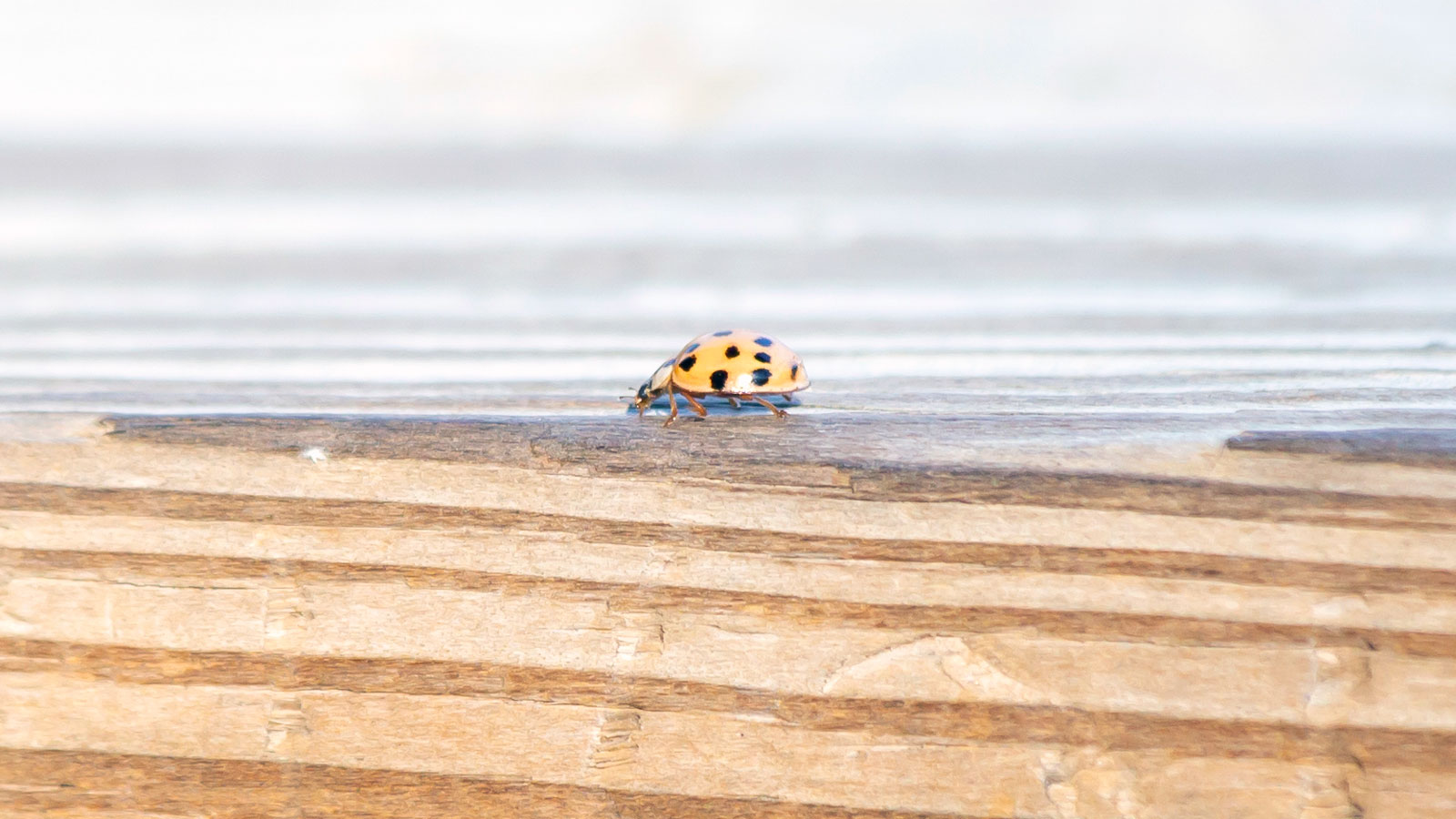
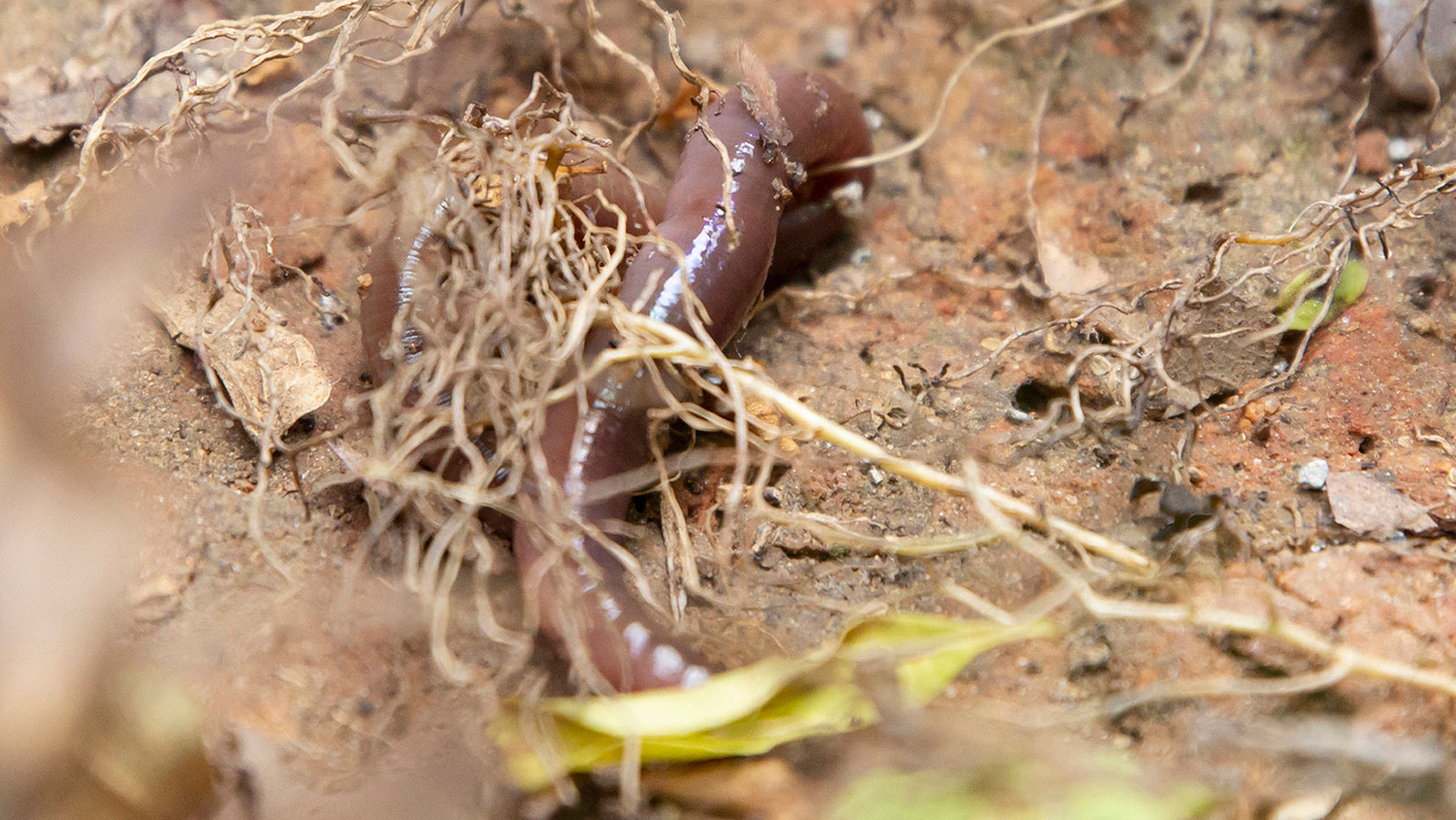
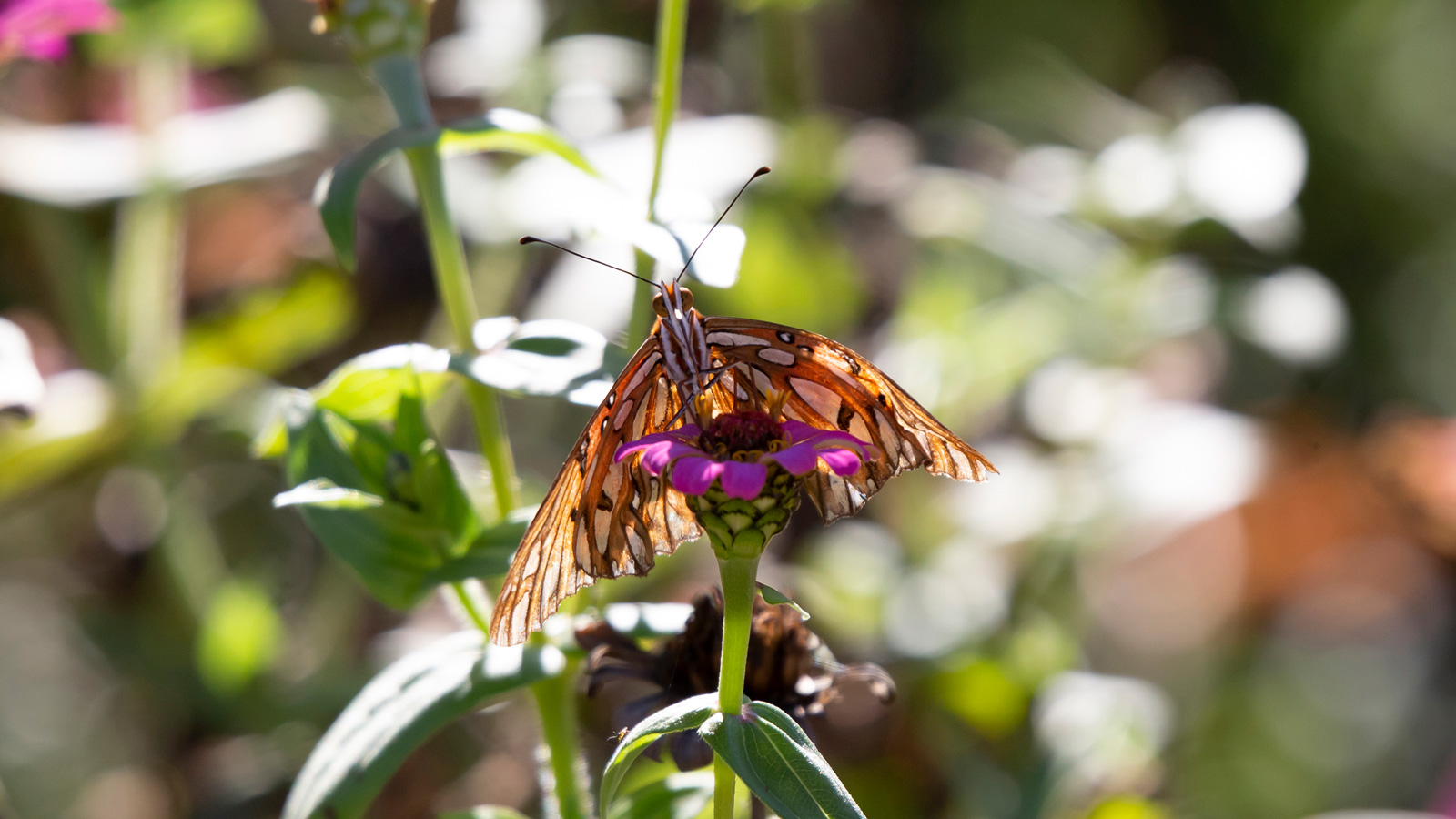
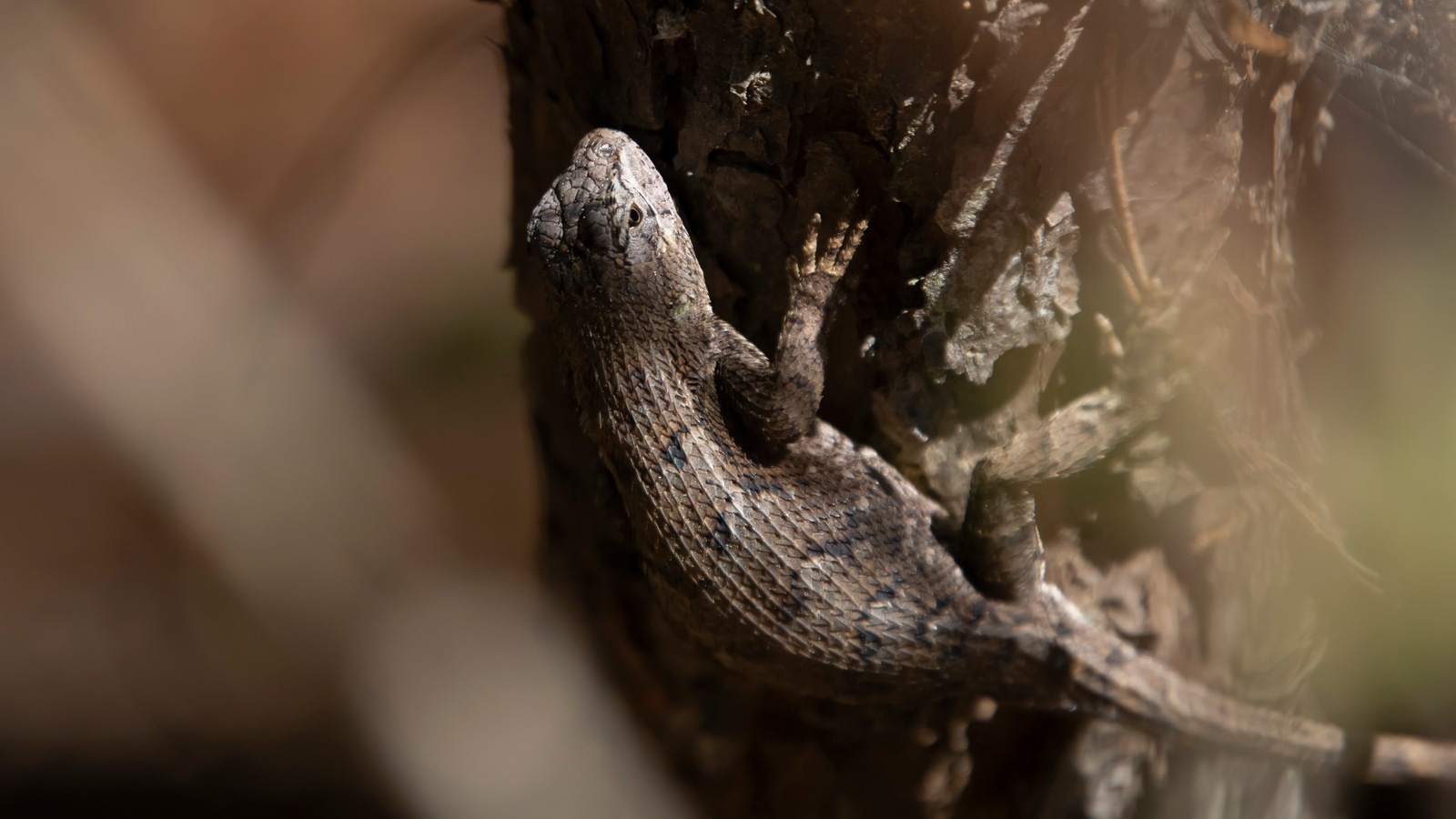
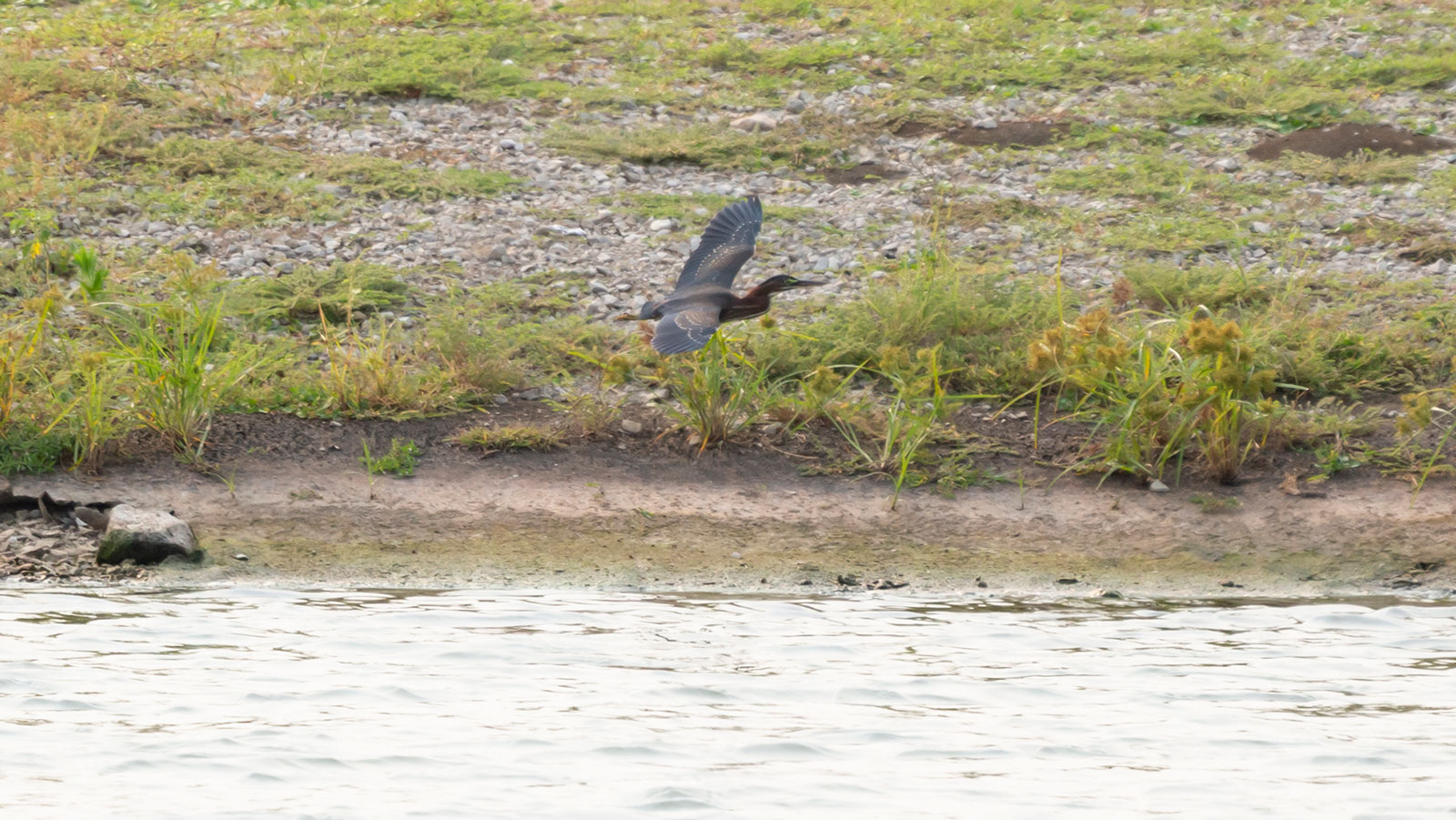
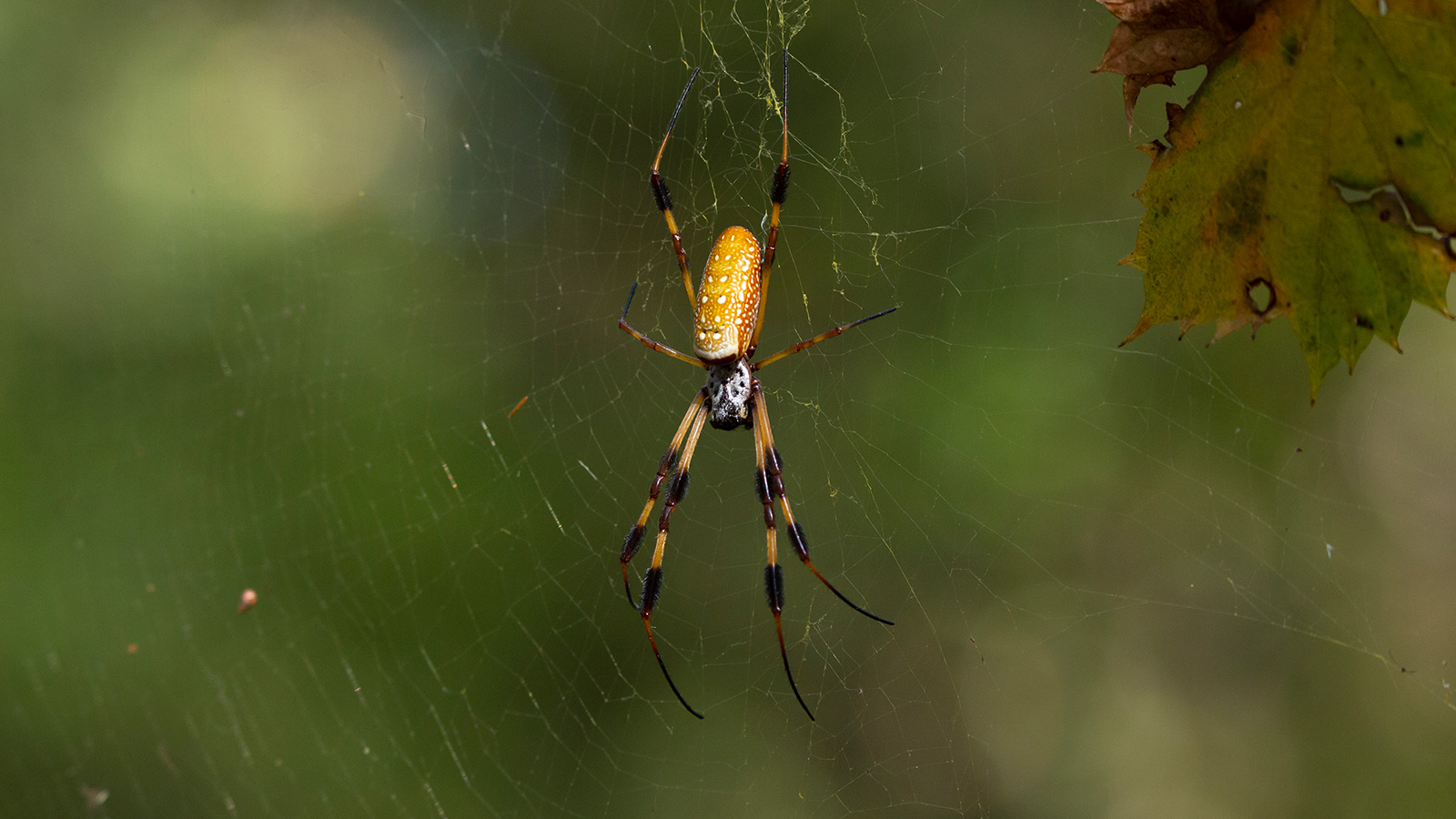
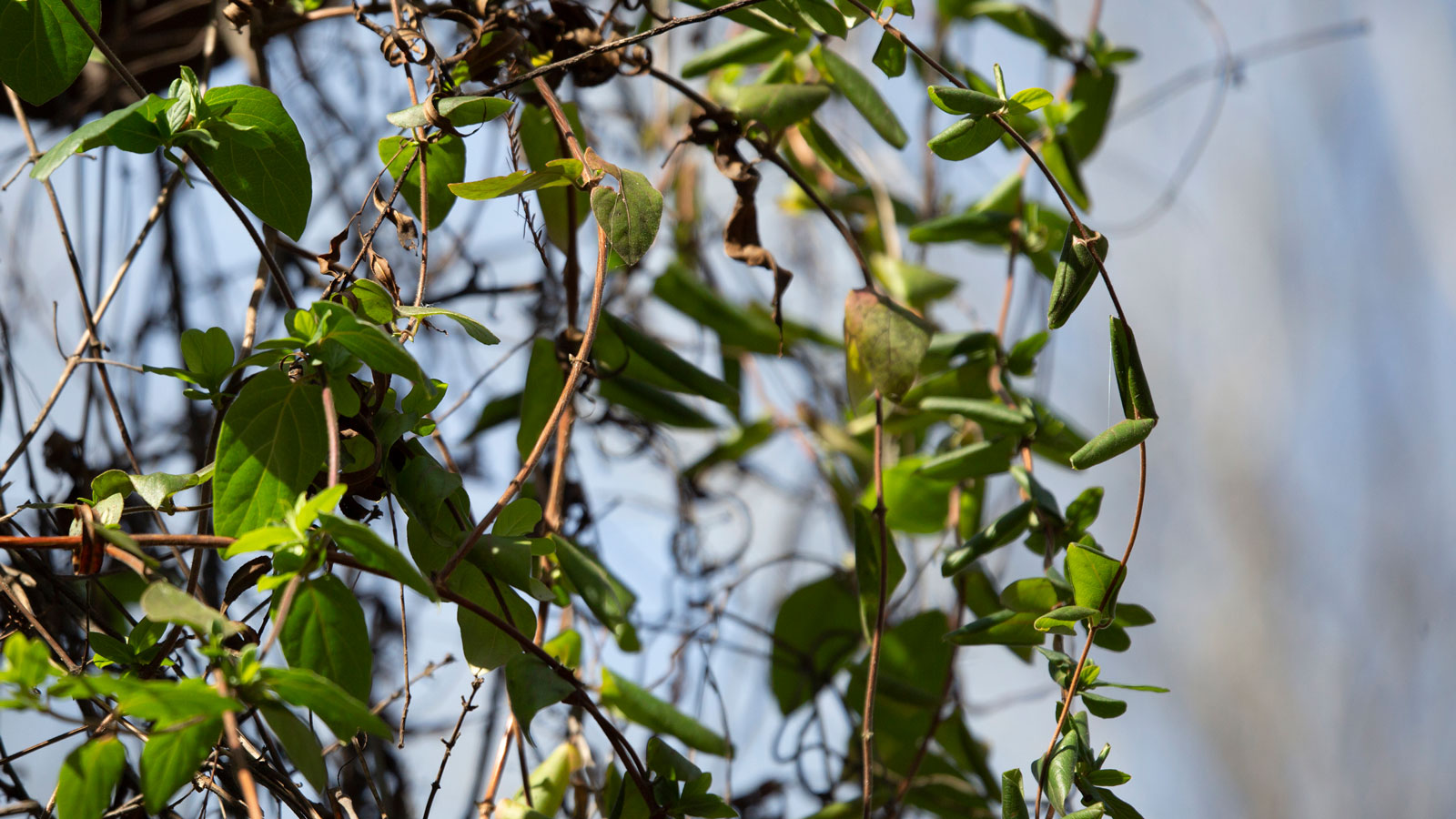
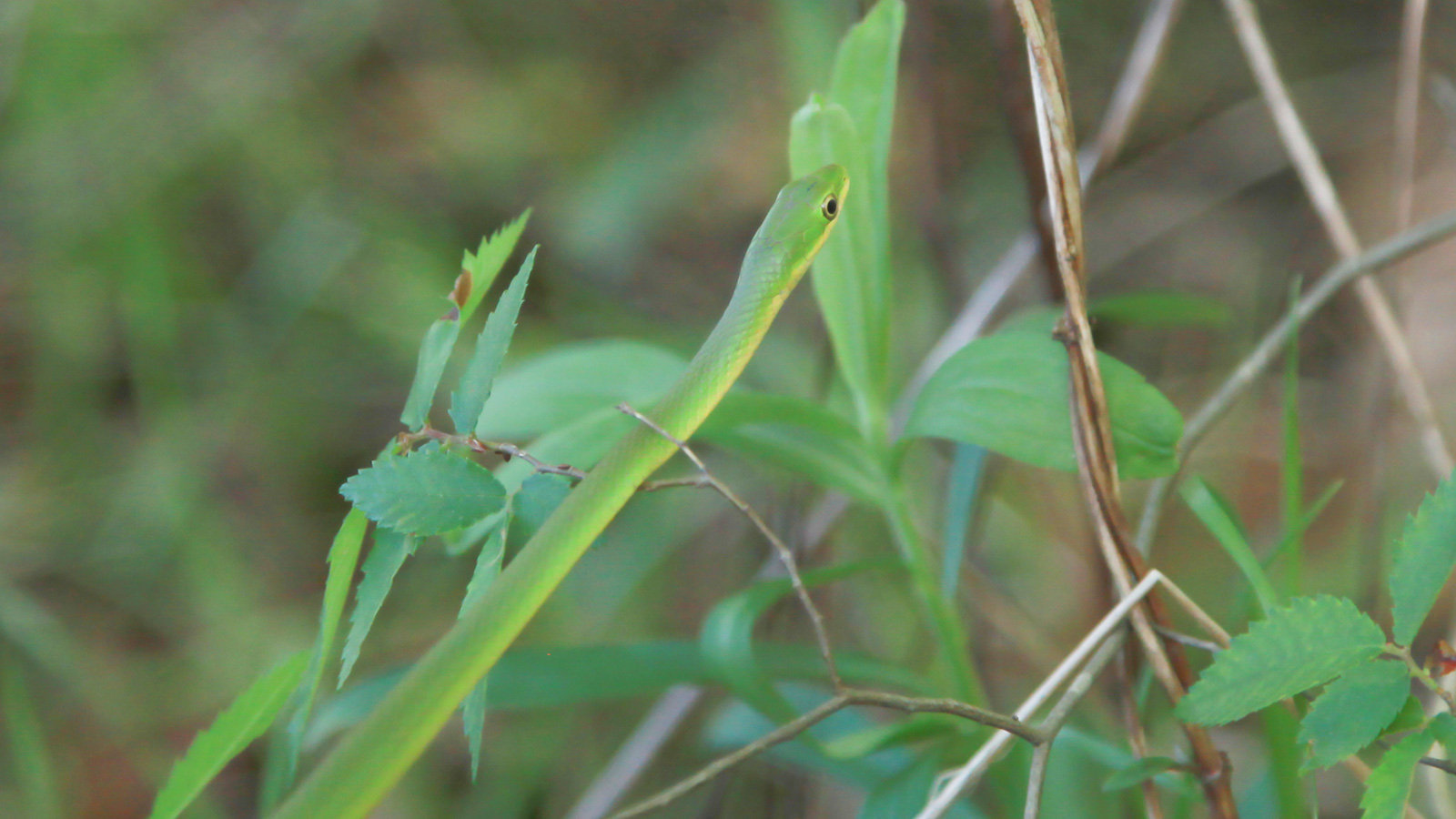
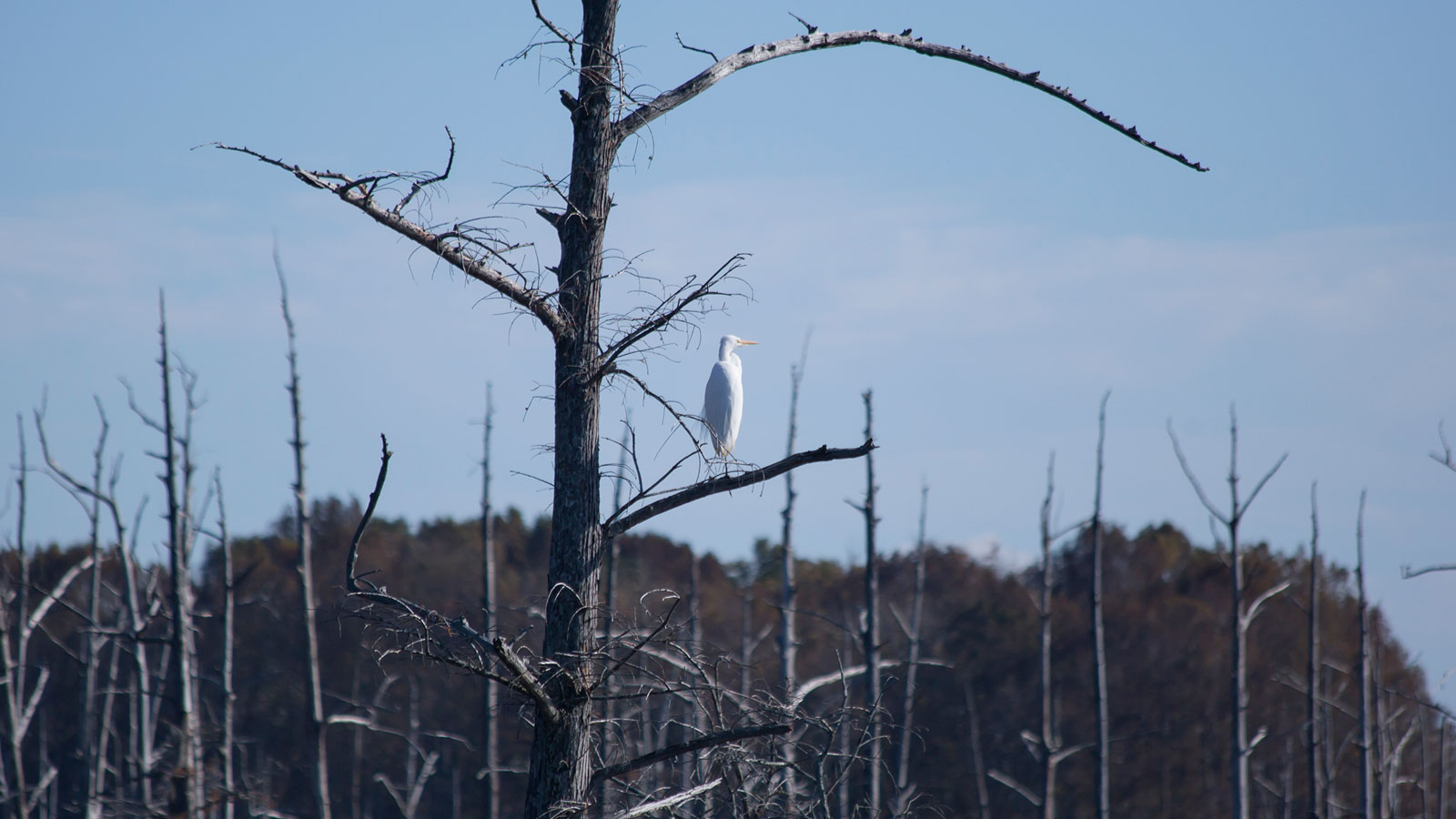
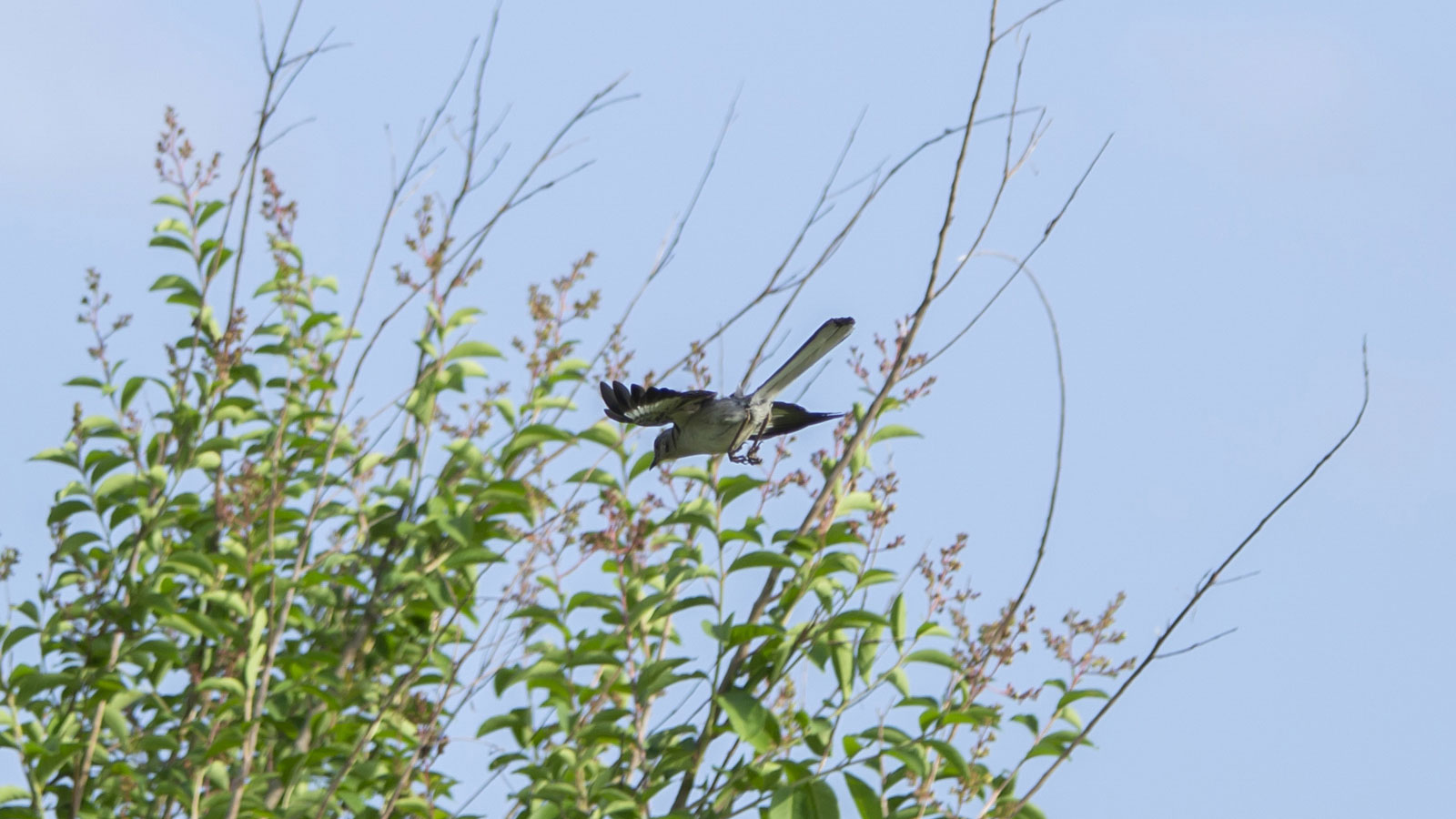
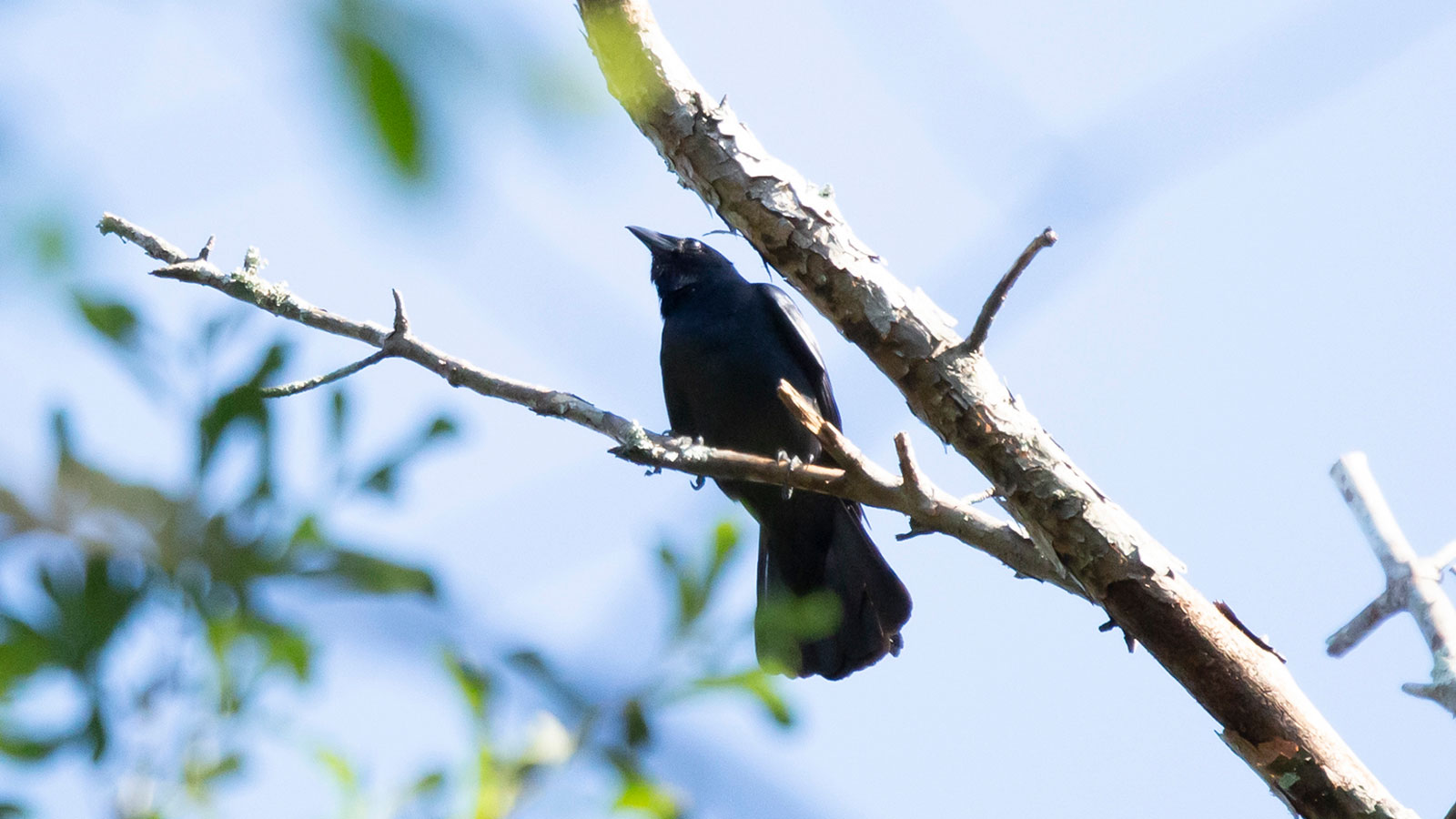
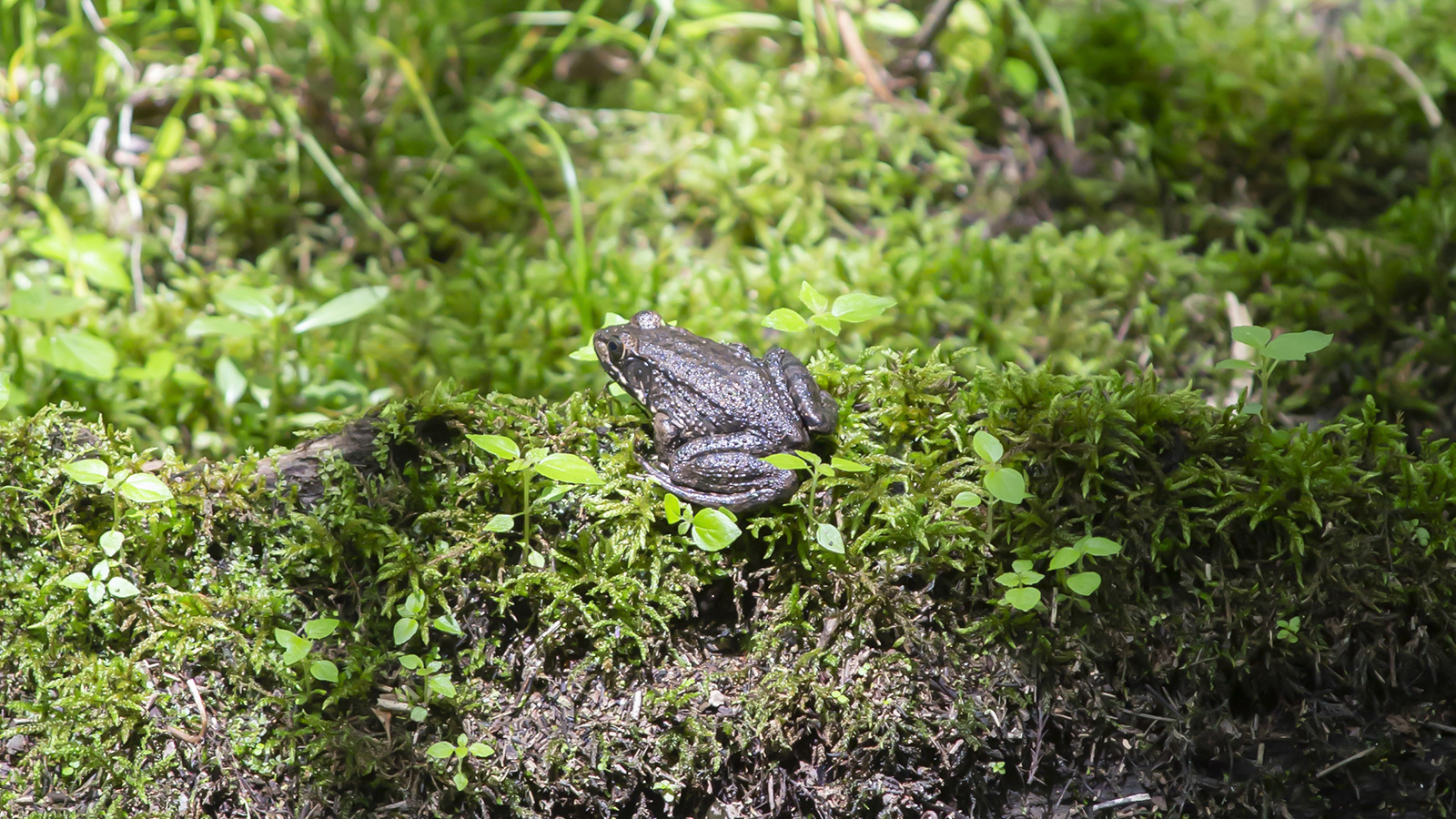
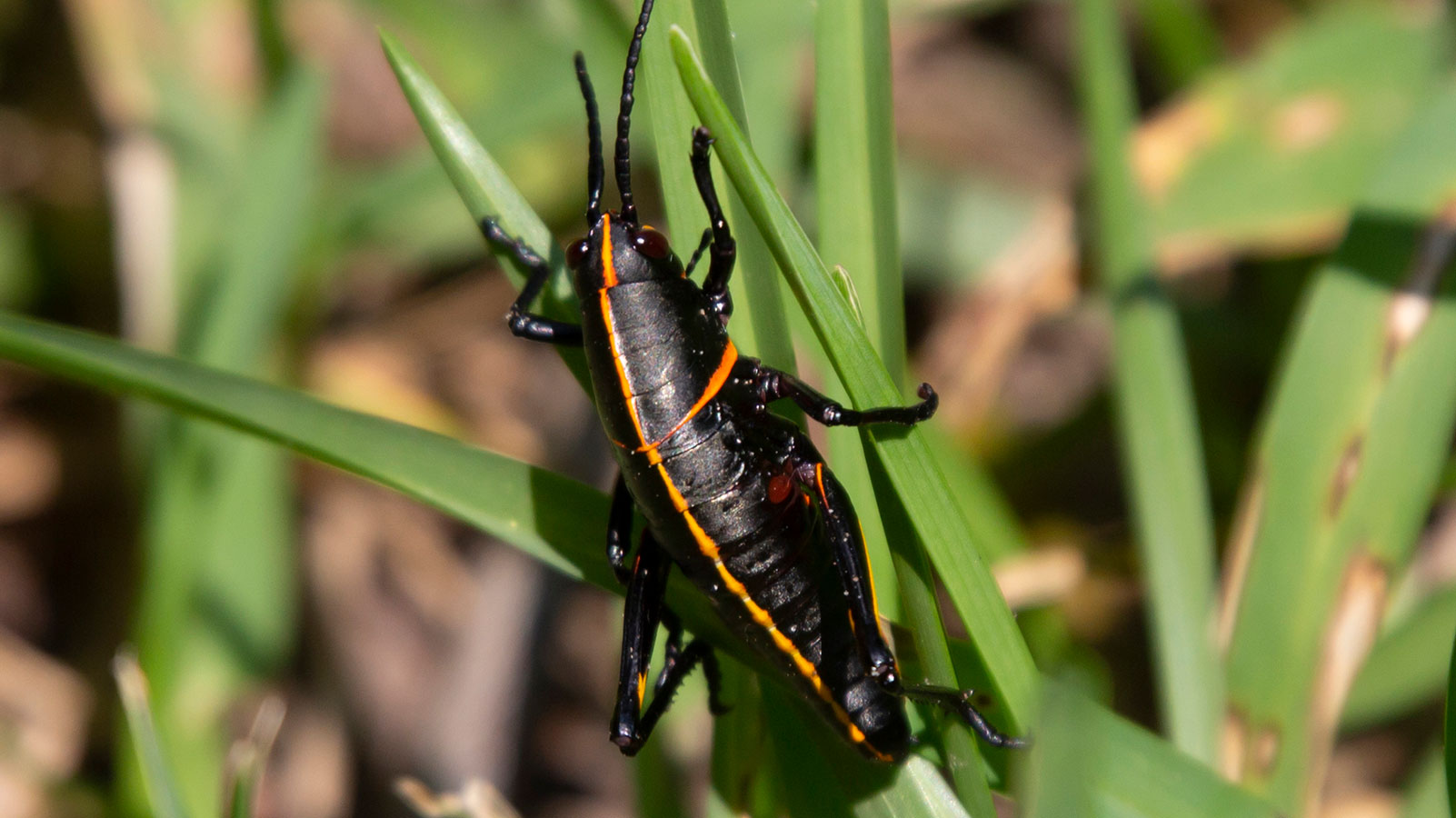
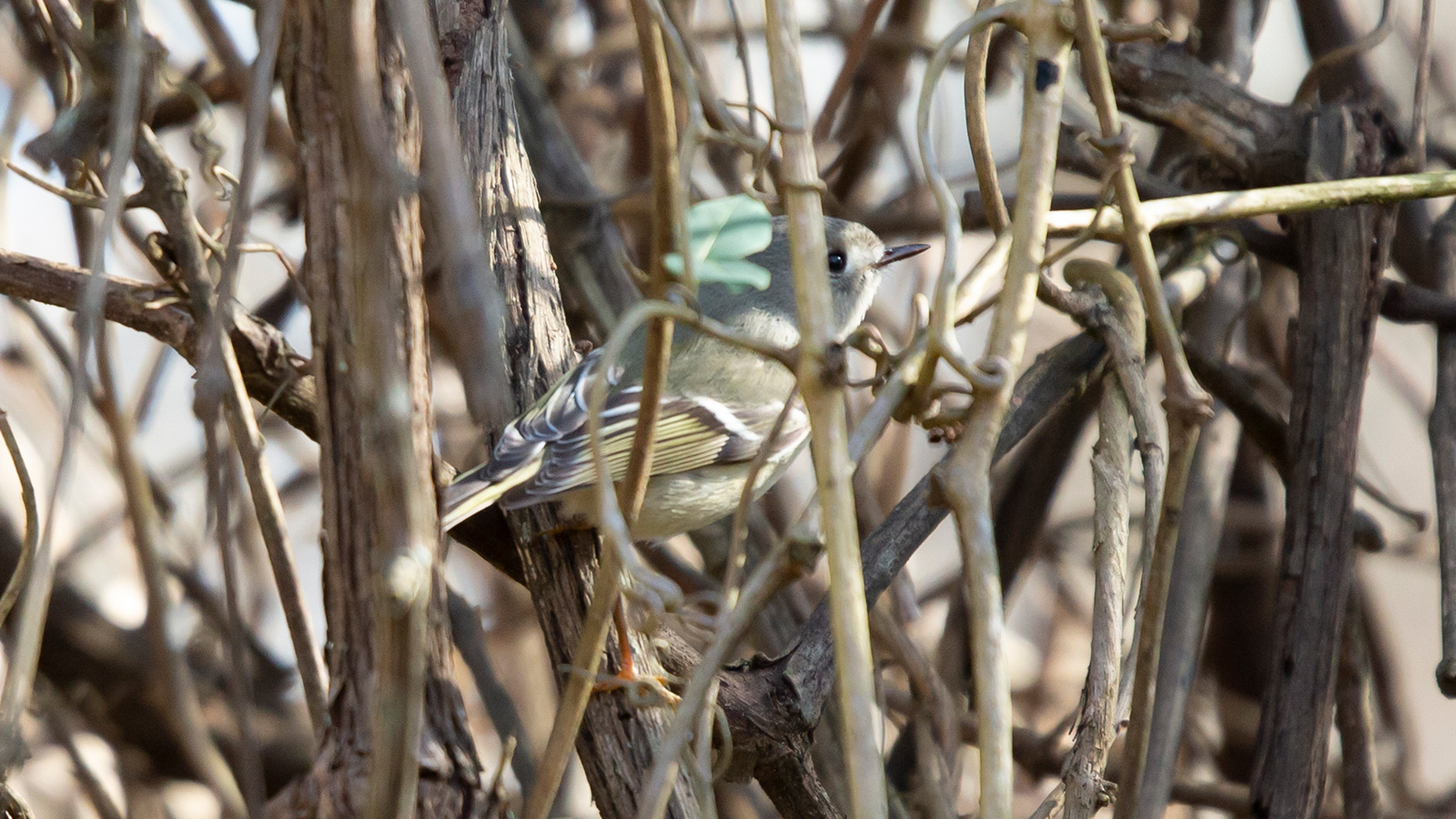
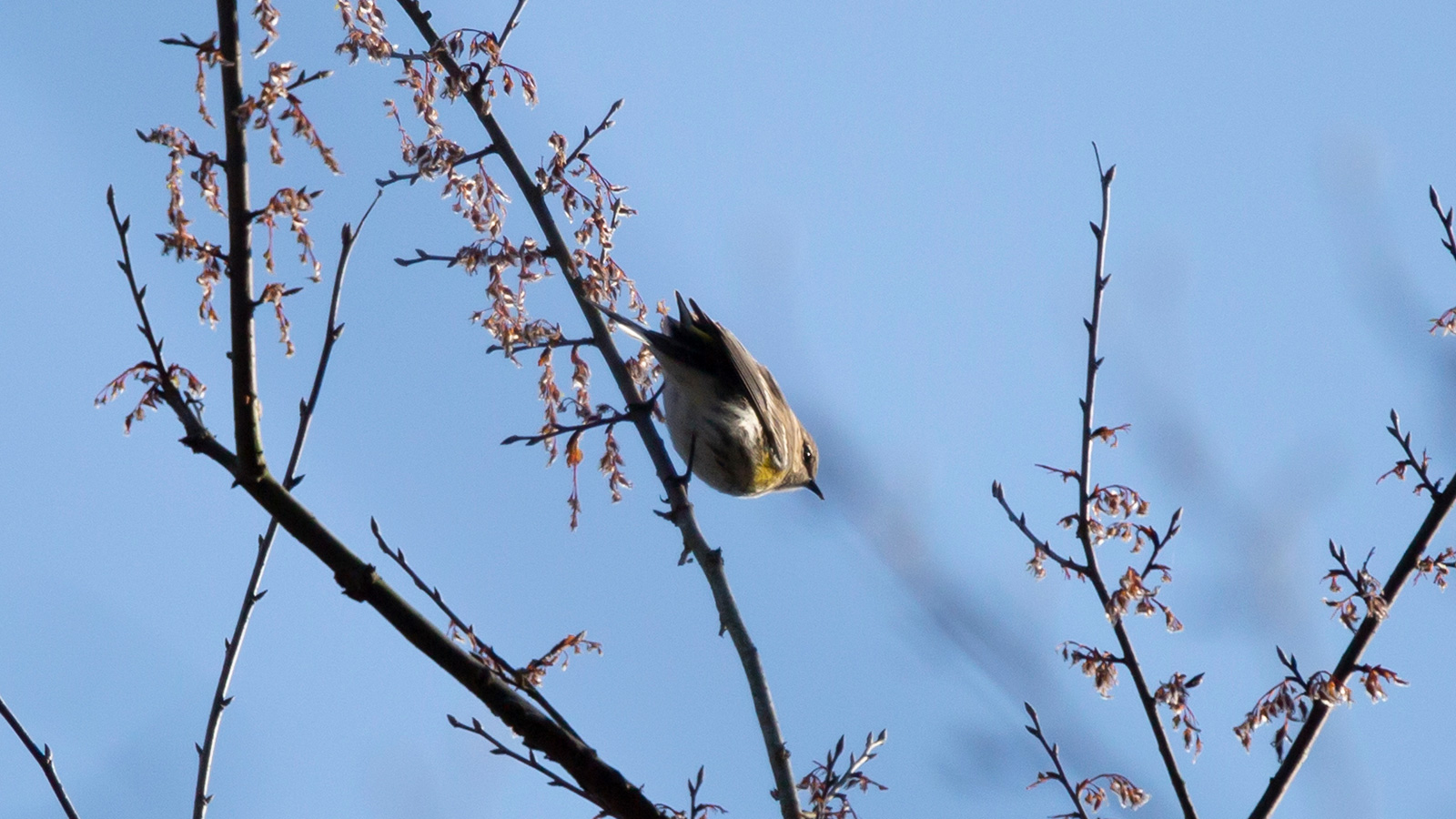
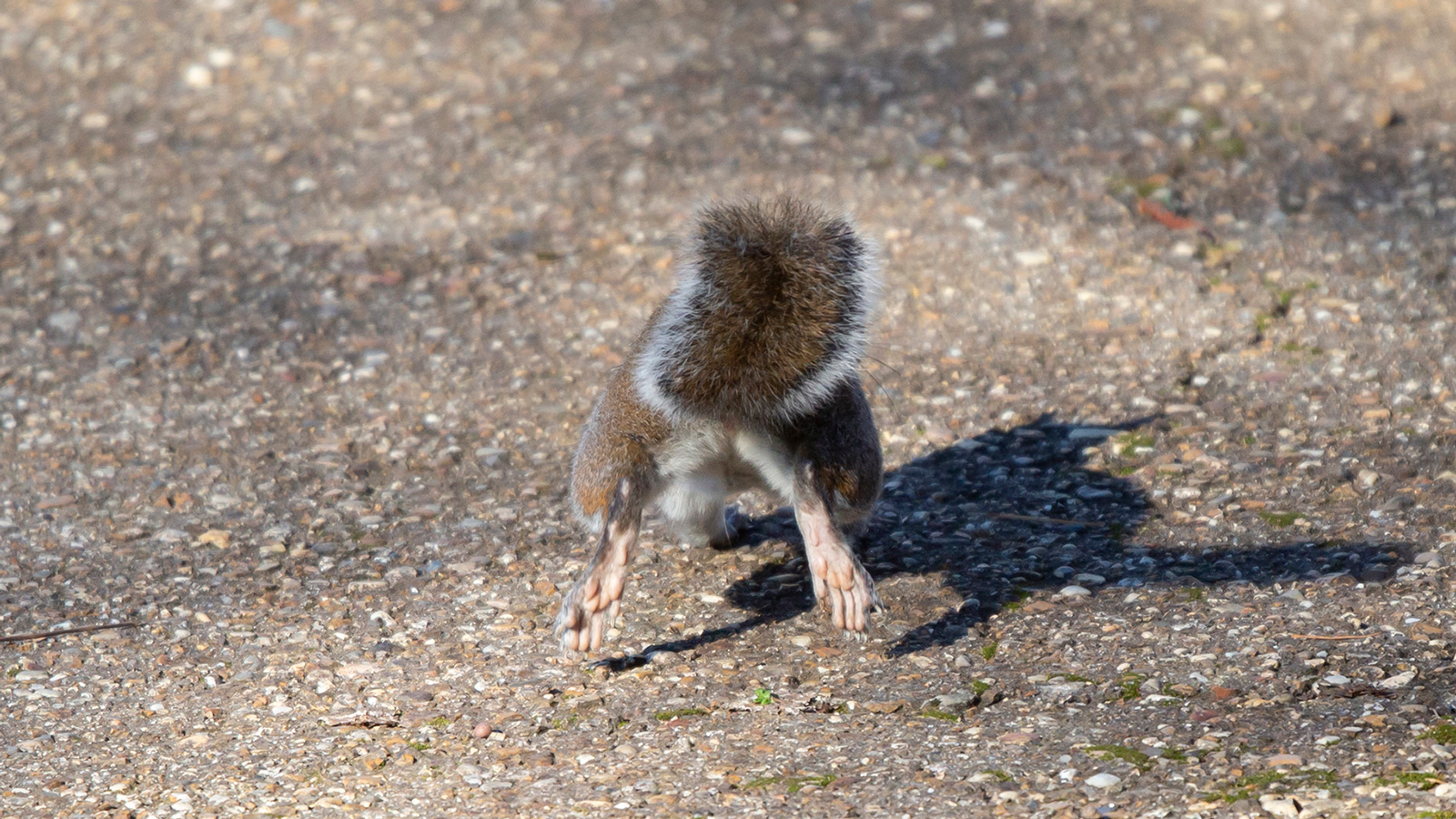
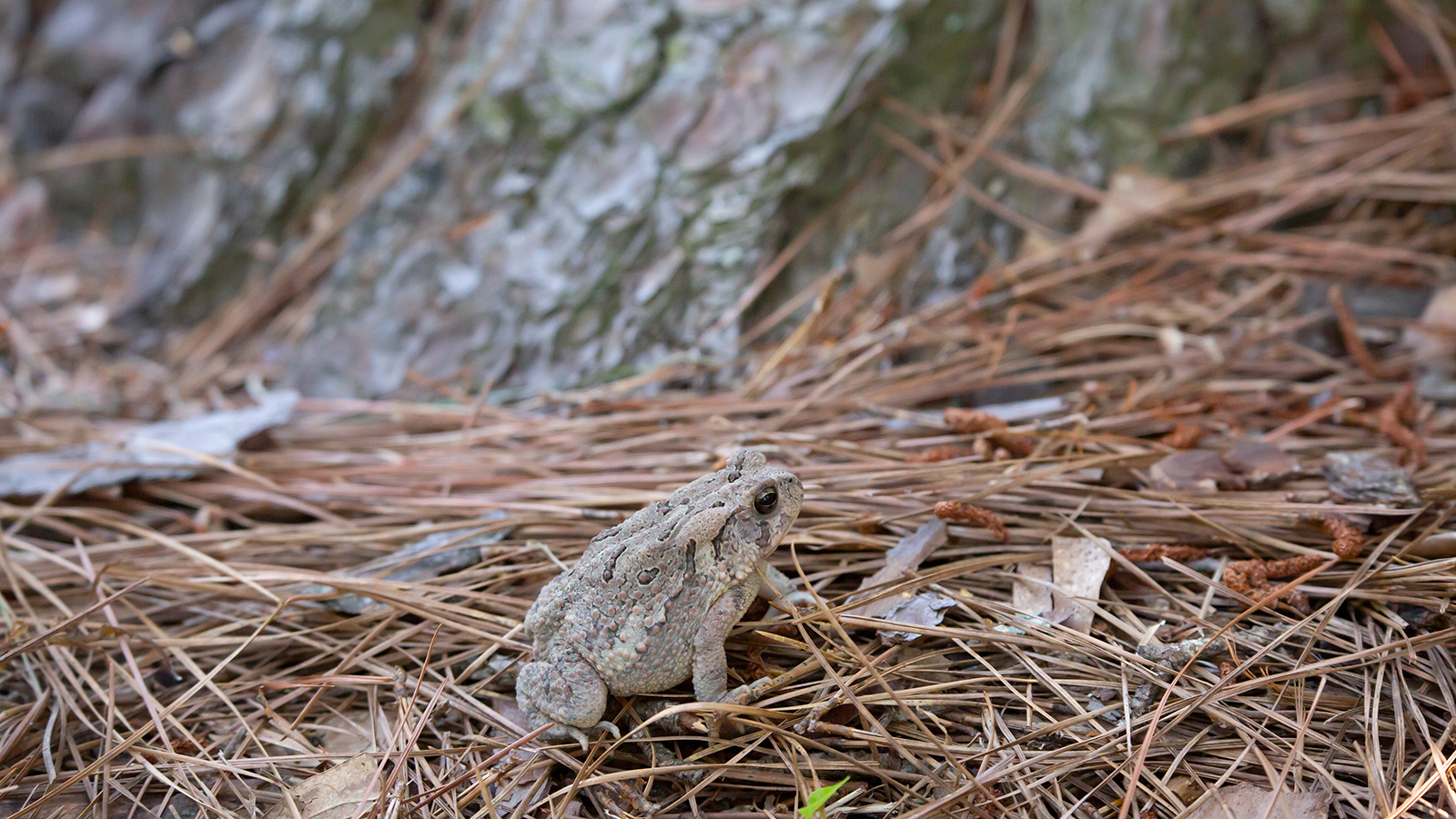
Build homes for wildlife, make muddy art, grow a garden, and become a backyard scientist. Bring a Backyard Lookout, look closely, and see what you can find right where you live.
🌿 Build It🔬 Science✂️ Crafts
🌿 Build It Make something useful for backyard friends.
🔬 Science Ask questions, test ideas, and keep track of what you find.
✂️ Crafts Use leaves, flowers, sticks, mud, and other backyard treasures to make something new.
🐝 🦋 🐸 🪲
Your Backyard Is a Living Habitat!
A backyard can be a busy place. A porch pot, a pile of leaves, a shady shrub, or one patch of soil can give wildlife food, water, shelter, and room to live.
You can help make space for bees, butterflies, toads, beetles, birds, and the tiny cleanup crew that works under logs and leaves. That makes you a Habitat Engineer.
🌎 What Is a Habitat?
A habitat is the place where a living thing finds what it needs to live.
Every animal needs food, water, shelter, and space. Some need sunshine. Some need shade. Some need damp leaves, soft soil, or a small hiding spot.
A toad looks for cool, damp cover. A butterfly needs sunny places, nectar flowers, and plants where caterpillars can eat. A mason bee needs a small dry hole for her nest.
When you build a habitat, think about who might use it. Then give that wild neighbor what it needs.
🍯
Food & Nectar
Flowers, leaves, seeds, berries, insects, and other good meals.
💧
Water & Moisture
A shallow water dish, damp soil, puddles, dew, and shady places.
🏠
Shelter & Nesting
Logs, leaf piles, shrubs, hollow stems, clay pots, and small nest spaces.
🌳
Space to Roam
Room to crawl, hop, fly, hunt, rest, and hide.
☀️
Sun & Warmth
Sunny rocks, open patches, and warm places for animals that need heat.
🍂
Decomposing Matter
Old leaves, fallen sticks, and rotting logs that feed fungi, bugs, worms, and other cleanup crew members.
Two Ways to Engineer a Habitat
🌸
Garden Discovery Guide
Plant flowers and host plants that help pollinators all through the year. You can help butterflies from egg to caterpillar to adult.
Think flowers, leaves, nectar, and places to rest.
🏗️
Habitat Engineering
Build places for wildlife to hide, nest, and stay cool.
Think clay pots, logs, bamboo, leaf piles, and little homes with no rent due.
Choose an Activity
🐝
Pollinator Garden
Plant flowers that feed bees, beetles, butterflies, and hummingbirds through spring, summer, and fall.
View Guide →
🦋
Butterfly Nursery
Build a butterfly-friendly space with host plants, sunny stones, and a shallow puddling spot.
View Guide →
🐸
Toad Abode
Make a cool, damp daytime hideout for a toad.
Build It →
🐝
Bee Condo
Build tiny nesting spaces for solitary bees, including mason bees.
Build It →
🪲
Decay Detective Log
Place a log in a shady spot and watch for beetles, pill bugs, fungi, worms, and other backyard cleanup workers.
Explore →
📔
Garden Journal
0 observations recorded
Write down what grows, blooms, crawls, flies, and changes in your garden.
📒
Habitat Journal
0 projects recorded
Keep track of the homes, gardens, shelters, and wildlife spaces you build.
Art, Science & Engineering
🎨
Nature Art
Make flower prints, sun-catchers, and muddy masterpieces with backyard materials.
Make It →
🔬
Backyard Scientist
Watch birds, listen for frogs, count insects, and share your observations with real science projects.
Explore →
⚙️
Engineering Challenges
Build stick rafts, solar crayon ovens, and seed flyers with things you can find outside.
Build It →
🗺️
Nature Passport
0 of 16 stamps earned
Complete activities, spot wildlife, and earn stamps for your backyard adventures.
🔍
Wildlife ID Guide
0 of 12 species spotted
Meet the wild neighbors who live near you.
🔍
Scavenger Hunt
0 of 10 items found
Look carefully. A backyard can hide a whole lot of surprises.
🛡️ Safety Rules for Backyard Activities
👀
Look, Do Not Touch: Watch insects and animals quietly before moving closer. Give every wild neighbor room.
🌿
Ask Before You Eat: Never eat a plant, berry, mushroom, or seed unless your Backyard Lookout says it is safe.
🔨
Use Tools Safely: Use tools with a grown-up. Put rakes, forks, and other sharp tools down carefully when you finish.
☀️
Drink Water and Take Shade Breaks: Play outside during cooler parts of the day when you can. Wear a hat, use sunscreen, and drink water.
🐍
Check Logs and Rocks Carefully: Ask a Backyard Lookout to help before moving logs, boards, rocks, or leaf piles. Use a stick first, keep your hands away from hidden spaces, and give anything underneath time to move away.
🧼
Wash Up: Wash your hands with soap and water after outdoor activities.
🌱 Native Plants for Louisiana and the Gulf South
💜
Purple Coneflower
A tough flower that gives bees and butterflies a place to visit.
🌼
Black-Eyed Susan
Bright yellow flowers that make a good first garden plant.
🌸
Native Milkweed
An important food plant for Monarch caterpillars.
🪻
Coral Honeysuckle
A native vine with flowers that hummingbirds visit.
🌺
Passionflower Vine
A host plant for Gulf Fritillary caterpillars, with big purple flowers.
🌿
Native Viburnum
A shrub that gives birds cover and can provide berries in fall.
🐝
Build Your Pollinator Garden
A pollinator garden is a living feast — designed to feed and shelter the whole workforce of nature, from native bees to hummingbirds, with blooms from spring all the way through fall.
🌸 Five Key Features to Build
💐
Diverse Flowers
Plant a mix of shapes (tubular for hummingbirds, flat for bees) and colors. Bees love blue, purple, and yellow blooms most.
📅
Blooming Successions
Select plants that bloom from early spring through late fall so there is always a food source available — no hungry gaps!
🪹
"Messy" Nesting Spots
Leave bare soil patches for ground-nesting bees and keep dead hollow stems or small brush piles for cavity-nesters.
💧
Pollinator Watering Hole
A shallow dish filled with pebbles and water lets insects land safely and drink without any risk of drowning.
🚫
Absolutely No Chemicals!
Avoid ALL pesticides and herbicides — even organic ones can be lethal to the very insects you're trying to attract!
🛡️ Safety in the Pollinator Garden
👀
Look, Don't Touch: Observe bees and wasps quietly — they won't sting unless scared or squished.
🌿
Never Eat Unknown Plants: Some common garden plants like Foxglove are highly toxic if ingested.
☀️
Sun & Hydration: Work in the cooler morning hours, wear hats, and keep water bottles handy!
🧼
Wash Hands: Always wash hands thoroughly after gardening to remove soil contaminants.
A butterfly garden is a complete nursery — supporting the full life cycle from tiny egg all the way to beautiful adult. It needs host plants for caterpillars, warm rocks for basking, and sheltered spots from the wind.
🎯 Choose Your Target Butterflies
Different caterpillars only eat specific plants. You must plant the right Host Plants to invite your favorites!
🌸
🦋 Monarch
Host Plant: Native Milkweed — the only plant Monarch caterpillars will eat
🌺
🧡 Gulf Fritillary
Host Plant: Passionflower Vine — common across the Gulf South
🌿
⚫ Black Swallowtail
Host Plant: Parsley, Dill, or Fennel — doubles as an herb garden!
🏗️ Building the Nursery
🪨
1
Create Basking Stations
Place large, flat, dark-colored stones in the sunniest spot. Butterflies are cold-blooded — sun-warmed rocks help them recharge their wings before flight.
💧
2
Build a "Puddling" Spot
Sink a shallow dish into the ground, fill with sand, keep damp. A tiny pinch of sea salt makes it irresistible — male butterflies gather here for minerals!
🌬️
3
Provide Windbreaks
Plant near a fence, wall, or row of Native Viburnum shrubs to create a sheltered quiet zone where butterflies can fly easily.
🍂
4
The "No-Clean-Up" Rule
Many butterflies overwinter as a chrysalis or egg in fallen leaves. Leave leaf litter — raking removes next year's butterflies!
🔄 The Butterfly Life Cycle
🥚
Egg
Tiny dots laid on the underside of host plant leaves
🐛
Caterpillar (Larva)
Hatches and immediately starts eating its host plant
💚
Chrysalis (Pupa)
Transformation happens inside — do NOT disturb!
🦋
Adult Butterfly
Emerges, dries its wings, and begins the cycle again
🛡️ Butterfly Garden Safety — Including the Prickle Rule!
🐛
The Prickle Rule: Never touch a fuzzy or spiky caterpillar! Buck Moth caterpillars (common in Louisiana) have stinging hairs. Only touch smooth ones like Monarchs or Swallowtails — after checking with an adult.
🤫
Leave the Chrysalis Alone: Never move or touch a chrysalis — the transformation inside is incredibly fragile.
🧼
Wash Hands: Always wash hands after being in the garden.
🐝 New Pollinator Observation
🛡️ Safety Check
🧼 I washed my hands after gardening!
👀 I observed bees from a safe distance!
🐝 Entry saved!
📔 Past Pollinator Entries
🦋 New Butterfly Observation
🔍 What Life Cycle Stage Did You Find?
🥚 Egg — Tiny dots on the underside of leaves
🐛 Caterpillar (Larva) — Is it eating? What color?
💚 Chrysalis (Pupa) — Is it green or brown? Hanging?
🦋 Butterfly (Adult) — What are the wing colors?
☀️ Basking & Puddling Sightings
🪨 I saw a butterfly warming on a sun-warmed basking rock!
💧 I saw butterflies drinking from a mud puddle!
🛡️ Safety Check
👀 I looked with my eyes and did NOT touch the caterpillars!
🤫 I left the chrysalis alone so it can grow safely!
🧼 I washed my hands after being in the garden!
🦋 Entry saved!
📗 Past Butterfly Entries
🏗️
Habitat Engineering: Build a Home!
Not all backyard neighbors fly through the air. Some hide under pots, burrow into logs, and sleep in tiny holes. These building projects let you and your family become architects for wildlife — constructing real shelters for the creatures that live on the ground and in the soil.
🐸
The "Toad Abode" — Amphibian Habitat
While pollinators take the sky, toads are the "night watchmen" of the garden. A single toad can eat up to 100 slugs, beetles, and mosquito larvae every single night — making them the garden's best free pest control!
🏺 Why Toads Need Our Help
Toads are cold-blooded and need a cool, damp, shady hiding spot to rest during the hot daylight hours. They're most active at night when they hunt. Without a safe damp refuge, they'll move on to a yard that has one!
🌑 Active at Night💧 Needs Moisture🌿 Loves Shade🐛 Eats Pests
🔨 How to Build It — Step by Step
What you'll need: One old ceramic flower pot (6–8 inch), a small hammer, a thick cloth or towel, adult supervision!
🏺
1
Find Your Pot
Look for an old ceramic or terracotta flower pot. It must be ceramic — plastic pots don't hold cool moisture the same way and are much less attractive to toads.
🔨
2
Create the Doorway (with adult help!)
Wrap the pot's rim in a thick cloth. With an adult's help, use a small hammer to carefully chip away a "doorway" about 3 inches wide in the rim. OR skip this step and simply lay the pot on its side in the dirt — the open hole becomes the door!
🌿
3
Choose the Perfect Spot
Find a shady, damp corner of the garden — under a bush, near a water feature, or beside a garden bed. Toads will not use a sunny dry location. The shadier and damper, the better!
🏠
4
Set It Up & Wait
Bury the pot slightly into the soil so it stays cool. You can add a tiny bit of leaf litter inside to make it cozy. Now be patient — toads may not move in for days or even weeks. Check gently at dusk!
🛡️ Toad Safety — Wet Hands Rule!
🐸
The Wet Hands Rule: Toads have incredibly sensitive, permeable skin. If you need to move a toad, always wet your hands with rainwater or clean water first. The oils and salts on dry human hands can actually harm a toad's skin!
👀
Observe, Don't Chase: Toads are most active at dusk. Sit quietly near the abode at twilight to watch for a new resident — don't try to catch or hold them without adult help.
🧼
Wash After Handling: Always wash hands with soap after touching any toad or the soil around the abode.
🔨
Hammer Safety: Chipping the pot rim must always be done by or closely supervised by an adult. Wear eye protection and place the pot on a firm, stable surface.
🔍 What to Watch For
🌙
A Toad Moves In!
Check at dusk. A toad may be sitting in the doorway, or you might notice a small depression in the soil inside from where they've been resting.
🐛
Fewer Pests in the Garden
Over weeks, you might notice fewer slugs and beetles in your garden — a sure sign your toad is doing their job as night watchman!
🥚
Toad Eggs in Spring
If you have a small pond or water feature nearby, look for strings of toad eggs in early spring — they look like long jelly necklaces, unlike round frog eggs.
🐝
Native Bee "Condos" — Solitary Bee Habitat
Most people picture bees living in hives — but 70% of all native bee species are solitary. Mason bees, leafcutter bees, and many others live completely alone, raising their babies inside tiny hollow tubes. This project gives them a home!
🏠 Why Solitary Bees Are Special
Unlike honeybees, solitary bees like Mason bees have no queen to protect and no honey to guard — which means they are incredibly gentle and almost never sting. They are also 2–3× more effective at pollinating than honeybees! A bee condo lets kids observe the amazing process of a female bee laying eggs, packing in pollen as baby food, and sealing the entrance with mud.
🕊️ Almost Never Sting🌸 Super Pollinators🏠 Live Alone🪨 Seal With Mud
🔨 How to Build It — Step by Step
What you'll need: Hollow bamboo stalks OR paper straws (6–8 inches long), twine or rubber bands, a small waterproof container or coffee can (optional), and a sheltered mounting spot!
🎋
1
Gather Your Materials
Cut hollow bamboo into 6–8 inch lengths, or use paper straws. The tubes need to be 5–10mm wide — different widths attract different bee species. A variety pack is best! Make sure one end is sealed (the natural bamboo node) and one end is open.
🫙
2
Bundle Them Up
Gather 20–30 stalks/straws into a tight bundle and tie securely with twine. OR pack them into an old coffee can or waterproof container — this gives them extra weather protection and a cleaner "condo" look!
📍
3
Mount It in a Protected Spot
Hang it horizontally (the open ends facing outward) under a shed eave, fence overhang, or between two posts — somewhere with morning sun, sheltered from rain, and at least 3 feet off the ground. Face it southeast for the best morning warmth.
⏳
4
Wait and Watch for "Capping"!
The most exciting moment: when a female bee seals the entrance with mud after laying her eggs. This is called "capping" — it means babies are growing inside! Never pull out or unplug the sealed tubes.
🛡️ Bee Condo Safety
📌
Mount Firmly: Make sure the condo is secured firmly so it does not swing or spin in the wind. Movement makes the bees feel unsafe and may prevent them from moving in — or scare away current residents.
🚫
Don't Disturb Capped Tubes: Once a tube is sealed with mud, baby bees are developing inside. Never remove, poke, or unplug a capped tube — this destroys the developing larvae.
👀
Observe From a Distance: Watch from a foot or two away. Mason bees are gentle but will sting if trapped or squeezed, so don't block the entrance with your face!
🧼
Wash Hands: Always wash hands after handling bamboo or straws, especially if fresh-cut bamboo was used.
🔍 What to Watch For
🪨
Mud Capping!
A tube entrance sealed with a plug of dark mud means a female Mason bee has laid her eggs and packed in pollen as food for her babies. This is the JACKPOT sighting!
🌸
Female Bee Entering With Pollen
Watch for a bee entering a tube with a yellow or orange pollen load on her belly — she's stocking the pantry for her eggs!
🐣
New Bees Emerging in Spring
The following spring, watch for small holes appearing in the mud caps — the new generation of bees chewing their way out into the world!
🪲
The "Decay Detective" Log — Decomposer Habitat
This is for the kids who love "creepy crawlies"! A single rotting log can house hundreds of species — roly-polies, beetles, snails, centipedes, and fungi — all working together to turn dead wood back into rich soil. Without decomposers, our forests would be buried in fallen trees!
🍄 Why Decomposers Are Secret Heroes
Decomposers are nature's recyclers. They break down dead plants and animals into nutrients that feed the next generation of life. Without pill bugs, beetles, fungi, and earthworms, dead wood and leaves would pile up forever and the nutrients trapped inside would be lost. A rotting log is one of the most densely populated habitats on earth!
🌀 Nature's Recyclers🌱 Makes Rich Soil🍄 Home to Fungi🪲 Hundreds of Species
🌳 How to Set It Up — Step by Step
What you'll need: One medium-to-large untreated log (not pressure-treated lumber!), a quiet corner of the yard, a magnifying glass, and a field journal!
🌳
1
Choose Your Log
Look for a naturally fallen log or purchase untreated hardwood. Avoid any wood that has been chemically treated or painted — the chemicals kill the very decomposers you're trying to attract. Oak, maple, and sweetgum logs are ideal for Louisiana.
📍
2
Find the Perfect Corner
Place it in a quiet, out-of-the-way, shady corner of the yard. Decomposers love moisture and shade. Slightly bury one side into the soil for the best results — this helps the log stay damp at the base.
⏳
3
Wait Several Weeks
Resist the urge to check too soon! Give the log at least 2–4 weeks before your first peek. The decomposers need time to discover it, move in, and establish their little community. Patience is the most important tool!
🔍
4
The Discovery Lift!
When you're ready to investigate, use a stick to tilt the log toward you first, then carefully and slowly roll it over. Observe everything underneath for 2–3 minutes, sketch what you see, then gently roll it back so you don't disrupt their home too much.
🛡️ Log Safety — The Stick Rule (Important!)
🐍
The Louisiana Stick Rule: In our area, snakes and spiders sometimes shelter under logs. ALWAYS use a long stick to tilt the log toward you first, before you roll it with your hands. This gives any hidden animal a clear escape path — away from you, never toward you. This is a non-negotiable rule in Louisiana!
🕷️
Watch for Spiders: Some spiders like the Brown Recluse can hide under logs. Never reach blindly underneath. Use the stick first, wait a moment, then look before touching.
🔄
Always Roll Back: After observing, always gently roll the log back to its original position. The creatures underneath depend on that specific microclimate. Leaving the log overturned destroys their habitat.
🧼
Wash Hands Thoroughly: Log undersides contain rich soil fungi and bacteria. Always wash hands with soap and water immediately after any log investigation.
🔍 Who Might Be Living There?
🐛
Roly-Polies (Pill Bugs)
These are actually crustaceans — more closely related to crabs than to insects! They roll into a perfect ball when scared and eat decaying plant matter.
🪲
Beetles & Beetle Larvae
Many beetles lay eggs in rotting wood. The fat white grubs you find are beetle larvae — they can spend years underground before emerging as adults!
🐌
Snails & Slugs
These slow movers love the damp shelter of a log and feed on decaying wood and fungi. You can see their silvery slime trails!
🍄
Fungi & Mushrooms
White, thread-like fungal networks (called mycelium) weave through the rotting wood — they are the primary decomposer, breaking down cellulose into soil nutrients.
🐛
Centipedes & Millipedes
Centipedes (many legs, fast movers) hunt other small insects. Millipedes (even more legs, slower) are harmless decomposers. Can you tell the difference?
📒
The Backyard Architect Journal
Document every build, every discovery, and every new resident you find. Great engineers keep great records — use this journal to track your habitat projects from blueprint to occupancy!
🏗️ New Habitat Project Entry
🌍 Habitat Environment
🔍 Discovery Report
Draw your habitat or what you observed underneath the log!
🛡️ Safety Checklist — Before I Close My Journal
🪵 Log Rule: I used a stick to tilt the log toward me first before rolling it over!
🐸 Wet Hands: If I touched a toad, I wet my hands with clean water first!
🔄 Roll Back: I carefully rolled the log back to protect the habitat!
🧼 Clean Up: I washed my hands with soap after my discovery mission!
🏗️ Entry saved!
📒 Past Habitat Journal Entries
🎨 🔬 ⚙️
Create & Discover
Your backyard is more than a habitat — it's a studio, laboratory, and engineering lab all in one. These Louisiana-inspired activities use nature as your art supplies, connect your observations to real science, and challenge you to build with only sticks, leaves, and sunlight!
🎨 Nature Art & Craft
These projects use the garden as a "supplies store" rather than just a place to grow things. Louisiana's lush plant life and humidity make the colors extra vivid!
🌸
Flower Pounding (Hapa Zome)
Japanese Natural Dyeing Art
Place brightly-colored flowers or leaves face down on a piece of white cotton cloth. Cover with a paper towel and gently hammer them until the natural pigment transfers to the fabric — creating a one-of-a-kind print. Each flower is different!
🌺
1
Collect Your Flowers
Pick the most brightly colored flowers you can find — pansies, marigolds, black-eyed susans, and zinnia work especially well. Fresh, newly-opened flowers have the most pigment.
👕
2
Set Up Your Canvas
Lay a piece of white cotton cloth on a firm surface (a wooden cutting board works great). Arrange flowers face-down in your desired pattern. Cover everything with a paper towel or thin cloth.
🔨
3
Pound! (With Adult Help)
Use a small hammer and gently but firmly pound every inch of the covered flowers. Lift a corner of the paper towel to check — the colors should be bleeding through onto the fabric. Keep pounding until the petals are fully flattened.
✨
4
Reveal & Preserve
Peel away the paper towel and carefully remove the pressed petals. Your fabric print is revealed! To make the colors more permanent, soak the cloth in a solution of 1 part white vinegar to 4 parts water for 20 minutes, then air dry.
🛡️ Safety Tips
🔨
Always have an adult supervise hammering. Use a rubber mallet or small tack hammer for kids — pound on a stable surface only.
🌿
Identify flowers before handling — wear gloves if picking any plant you're unsure about.
🧼
Wash hands after handling plants — some natural dyes can stain skin temporarily.
☀️
Nature Sun-Catchers
Light & Color Art
Create 3D art boxes filled with petals, leaves, and seeds from the yard using a cardboard frame and clear contact paper. Hang in a window and let the Louisiana sun turn your backyard finds into stained glass!
📦
1
Make Your Frame
Cut a frame shape from stiff cardboard — a square with a square hole in the middle. The outer frame should be about 1–2 inches wide all around. Decorate the frame however you like!
🌿
2
Collect Your Treasures
Gather flat, thin natural materials: flower petals, small leaves, fern fronds, grass seed heads, and small seeds. Press between books for an hour if they're thick to make them lie flat.
📎
3
Stick & Arrange
Cut contact paper slightly larger than your frame opening. Peel the backing and lay it sticky-side-up. Arrange your petals and leaves on the sticky surface in a beautiful pattern. Then place a second piece of contact paper sticky-side-down on top to seal everything inside.
🪟
4
Glue & Hang!
Glue or tape your sealed nature sandwich to the cardboard frame. Punch a hole at the top, thread a ribbon or twine through it, and hang in a sunny window. Watch the colors glow!
🎨
Mud Painting
Louisiana Earth Art
If you're okay with a little (or a lot of) mess — mix dirt and water to create natural "paint." Kids can use old brushes to decorate trees, logs, or rocks with patterns, animals, or murals. The next Louisiana rain washes it all away — leaving a blank canvas for next time!
🌧️
Find Your Louisiana Mud
After rain is perfect timing! Louisiana's red clay-rich soil makes especially thick, pigmented mud. Mix different soils for different shades — dark topsoil gives near-black, red clay gives warm terracotta.
🪣
Mix Your Palette
Add a small amount of water at a time to achieve your desired consistency — thicker for bold lines, more liquid for washes. Try adding white sand for a lighter shade or ash for dark grey. You can also mix in berries (not for eating!) for extra color.
🖌️
Paint Your Canvas
Tree bark, smooth logs, flat rocks, and the sides of clay pots are all great canvases. Use old paintbrushes, sticks, or fingers. Create animals, patterns, or abstract art — remember it's temporary and that's the fun!
🛡️ Mud Painting Safety
🧼
Wear old clothes — mud stains! Wash hands and arms thoroughly afterward with soap and warm water.
🐍
In Louisiana, always scan the ground before kneeling down to mix mud — especially near still water or dense vegetation.
🚫
Never put muddy hands near your mouth or eyes. Don't use mud near driveways or areas that may have chemical runoff.
🔬
Citizen Science: Your Backyard Is a Lab!
Real scientists need millions of data points from backyards all across the country — and kids can provide them! Every bird song you identify, every hummingbird you spot, and every frog call you record gets added to a national database that researchers actually use.
🐦
The Great Backyard Bird Count
Cornell Lab of Ornithology & Audubon Society
Each February, birders around the world count every bird they see for at least 15 minutes and submit the results — creating the world's largest bird snapshot. But you can report bird sightings year-round through eBird!
📱
Get the Merlin Bird ID App
Download the free Merlin Bird ID app (Cornell Lab). It can identify any bird by sound alone — just hold up your phone outside and it listens! Perfect for Louisiana's rich birdsong.
🔍
Identify & Log
Spend 15 minutes in your yard. Use Merlin to identify every bird you see or hear. Count how many of each species — 3 cardinals count as "3 Northern Cardinals."
📊
Submit Your Count
Submit your list to eBird.org or through the Merlin app. Your backyard data joins millions of other counts that scientists use to track bird population changes across the hemisphere!
🐦 Free App🎵 Identifies by Song📊 Real Science🗓️ Year-Round
🦜
Journey North
Track Wildlife Migrations Across North America
Louisiana is on the Mississippi Flyway — one of the great bird migration routes. When you spot your first hummingbird returning in spring, or see the first Robin of the season, you can report it to a database that maps migration progress in near real-time!
🌐
Visit journeynorth.org
Journey North tracks hummingbirds, monarch butterflies, whooping cranes, American robins, and more. Kids can browse the live migration maps before heading outside to look for their own sightings.
🌺
Louisiana-Specific: Report a Hummingbird!
Ruby-throated Hummingbirds pass through Louisiana every spring (March–May) heading north. The moment you spot your FIRST one at a feeder — that's a Journey North report! Log the date, your city, and how many you saw.
🦋
Track the Monarch Migration
In fall, Monarchs pour through Louisiana heading to Mexico. Report each Monarch sighting — a single observation from your yard contributes to mapping one of the most incredible migrations on Earth.
🐸
FrogWatch USA
American Frog & Toad Call Monitoring
Louisiana has some of the richest amphibian diversity in North America — and on humid summer nights, the chorus can be overwhelming! FrogWatch USA trains you to recognize different species by their calls and report which frogs are active in your area.
🎧
Learn the Calls
Visit aza.org/frogwatch to access free audio recordings of each local frog and toad species. The Green Tree Frog sounds like a ringing phone; the Bullfrog sounds like a bass "jug-o-rum." Practice until you can identify each one by ear.
🌙
The 3-Minute Listen
On a humid Louisiana evening (the best conditions!), stand near a pond, drainage ditch, or wet garden area and quietly listen for exactly 3 minutes. Write down every species you hear and how many individuals (1, 2–5, 6–10, etc.).
📋
Submit Your Data
Log your count online at FrogWatch USA. Your data helps scientists understand how climate change and habitat loss are affecting amphibian populations — one of the most sensitive groups of animals on Earth.
🛡️ Night Safety in Louisiana
🔦
Always bring a flashlight and stay on the path. Never approach the water's edge in the dark without adult supervision.
🐍
Louisiana has venomous cottonmouth snakes near water. Use a bright flashlight to scan the ground before stepping, especially in wet areas at night.
🦟
Louisiana mosquitoes are fierce at dusk! Apply insect repellent and wear long sleeves and pants for evening frog-watching sessions.
⚙️
Backyard Engineering & Physics
These activities use natural materials to explore how the world actually works — buoyancy, solar energy, seed dispersal, wind. No expensive kits, no plastic pieces. Just sticks, leaves, sunlight, and your own problem-solving brain!
🛶
Stick Raft Racing
Buoyancy & Wind Physics
Using only sticks, twine, and a large leaf for a sail, build a miniature raft and test it in a puddle or tub of water. Experiment with different designs: How many sticks? How big a sail? What happens in wind? You're solving the same problems ancient shipbuilders solved!
🌿
Gather Materials
Collect 5–8 straight sticks of similar length, natural twine or long grass blades, one broad flat leaf (magnolia, banana, or elephant ear work great in Louisiana), and a small stick for the mast.
🔗
Build Your Hull
Lay sticks parallel and lash them together tightly with twine at both ends. Tie as tightly as possible — gaps let water in. Cross two extra sticks underneath for stability (like a catamaran).
⛵
Add the Sail
Lash your mast stick upright in the center. Pierce the leaf gently near the top and bottom and thread the mast through it. The leaf sail will catch the wind and propel the raft! Angle it for maximum effect.
🏁
The Experiment
Test in a puddle, bucket, or kiddie pool. Try blowing on the sail. How many pennies can it hold before sinking? Race two different designs! Redesign and improve — this is what engineers call "iterating."
☀️
Solar Crayon Recycler
Solar Energy & Materials Science
Use the incredible Louisiana sun to melt broken crayon pieces in a solar oven — a box lined with foil. The heat trapped inside melts wax and creates brand new, beautiful rainbow-swirl crayons. It teaches solar energy, melting points, and color mixing all at once!
📦
Build Your Solar Oven
Take a shoebox or small cardboard box. Line the inside completely with aluminum foil, shiny side up, gluing it flat. The foil concentrates solar radiation toward the center of the box. This is the same principle used in industrial solar power plants!
🖍️
Prepare Your Crayons
Peel the paper off broken crayon pieces. Sort colors however you like — all one color, rainbow gradient, or completely random! Place pieces in a dark-colored muffin tin or small silicone mold for fun shapes. Dark containers absorb heat better.
☀️
Solar Bake!
Place the mold inside the solar oven. Set in direct sunlight and angle the box toward the sun. In Louisiana's summer sun, wax will begin to melt in 20–40 minutes. Do NOT cover with glass — crayons don't need to get that hot and glass creates a hazard.
❄️
Cool & Reveal
Once melted, carefully bring the mold inside (use oven mitts!). Let cool completely at room temperature — do NOT put in the freezer as fast cooling causes cracking. Once solid, pop out your new swirly rainbow crayons and draw!
🛡️ Solar Oven Safety
🌡️
Melted wax is hot — always use oven mitts or a folded towel when removing the mold from the solar oven. Adult supervision required for removal step.
☀️
In Louisiana summer heat this works remarkably fast. Check every 15 minutes — do not leave unattended as it can get surprisingly hot.
🌱
Seed Dispersal Challenge
Evolutionary Biology & Engineering
Plants can't walk — so they've evolved amazing tricks to spread their seeds. "Helicopters" that spin through the air, sticky hitchhikers that latch onto fur and socks, pods that explode, fruits that get eaten and then deposited elsewhere. Your challenge: collect different seeds and invent your own dispersal method using only natural materials!
🔍
Collect Your Seeds
Gather a variety: dandelion puffs (wind), maple "helicopters" called samaras (wind + spin), burdock burrs (animal fur), acorns (gravity + animal hoarding), and any others you find. Put on long socks and walk through tall grass — check what stuck to you!
🔬
Study the Design
For each seed, figure out its strategy: Does it fly? Roll? Float? Stick? Drop and bounce? Hold each one and drop it from above your head — observe exactly how it moves. Draw it and label its special features.
⚙️
The Challenge: Invent a Better Seed
Choose one seed and try to make it travel FURTHER using only natural materials — extra leaves as wings, a dandelion fluff parachute, or a grass-blade hook to catch on passing animals. Drop from a height and measure the distance each version travels. Which design wins?
📝
Louisiana Bonus: The "Sock Walk"
Pull a thick athletic sock over one shoe and walk through an unmowed weedy area for 5 minutes. Then carefully remove the sock and count every seed stuck to it — you've become a "seed dispersal animal." How many different species hitchhiked a ride? Try identifying them!
🔍
Louisiana Wildlife ID Guide
Your backyard field guide! Tap any card to mark a species as spotted. Use the ID tips to know what to look and listen for — then check off every creature you find!
🕵️ Tips for Your ID Mission
👂
Listen First: You can often hear a bird or cicada before you ever see it. Stand still and close your eyes — what do you hear?
🗿
Move Slowly: If you run toward a butterfly or lizard it will hide instantly. Try to be as still as a statue and let them come closer to you.
🎨
Compare Patterns: Look at shapes and colors on a butterfly's wings. Count the spots. Notice the markings — every species has its own "fingerprint."
SPECIES SPOTTED0 / 12
🐞 Common "Creepy Crawlies"
🐦 Common Louisiana Birds
🏆
Field Naturalist — Complete!
You've spotted all 12 Louisiana backyard species. You're officially a Louisiana Field Naturalist! 🔍
🗺️
Nature Passport & Louisiana Scavenger Hunt
Every adventure earns a stamp. Complete activities across the Habitat Hub to fill your passport — and use the Louisiana Scavenger Hunt checklist to find creatures and wonders specific to the Gulf South!
🗺️ My Nature Passport
Tap a stamp to mark it as earned. Complete all 16 to become a Master Backyard Naturalist!
STAMPS EARNED0 / 16
🔍 Louisiana Backyard Scavenger Hunt
These are things found in a typical Louisiana yard or neighborhood — some are easy, some will take patience and luck! Tap each item when you find it. Complete all 10 to earn your Louisiana Explorer passport stamp!
ITEMS FOUND0 / 10
🏆
Louisiana Explorer — Complete!
You found all 15 items! Your Louisiana Explorer passport stamp has been earned. 🗺️
🌿 All Outdoors Activities
✂️
craft
Flower Pounding
Use fresh flowers and leaves to make colorful prints on fabric or paper. Ask a grown-up before picking anything.
🌿
outdoor
Backyard Scientist Report
Count birds. Listen for frogs. Watch bugs. Write down what you find. Real scientists use observations from regular backyards, too.
🌿
outdoor
Build a Bee Condo
Construct bamboo and wood apartments for solitary mason bees, the most efficient pollinators in the backyard.
🌿
outdoor
Stick Raft Racing
Build a miniature raft from sticks and a leaf sail, then race it in a puddle. You're solving the same problems ancient shipbuilders solved.
🌿
outdoor
Build a Pollinator Garden
Design a living feast that feeds native bees, beetles, and hummingbirds from spring through fall — a real working wildlife habitat.
🌿
outdoor
Build a Butterfly Nursery
A butterfly garden supports the full life cycle from egg to adult. The right host plants, warm basking rocks, and a mineral puddling spot make it work.
✂️
craft
Nature Sun-Catchers
Seal petals, leaves, and seeds in contact paper, frame them in cardboard, and hang in a window. The Louisiana sun turns your backyard finds into stained glass.
✂️
craft
Mud Painting
Mix Louisiana dirt and water to make natural earth paint, then decorate logs, rocks, and clay pots. The next rain erases it — leaving a blank canvas for next time.
🌿
outdoor
Citizen Science: Report From Your Backyard
Real scientists need data from backyards across the country — and kids can provide it. Every bird you count and every frog call you hear goes into a database researchers actually use.
✂️
craft
Solar Crayon Recycler
Build a foil-lined solar oven from a shoebox and use the Louisiana sun to melt broken crayons into brand-new rainbow-swirl crayons.
🌿
outdoor
Seed Dispersal Challenge
Plants can't walk — so they've evolved amazing tricks. Study helicopter samaras and sticky hitchhikers, then engineer your own seed dispersal method using only natural materials.
Tootie's Backyard is designed for families to explore together. We use cookies to save game progress and backyard discoveries — no personal data is collected or sold. Any commercial content is intended for adult Backyard Lookouts, not children. Privacy Policy