Why is Charlene called a chickadee?
Grandma says:
Her call sounds like chick-a-dee-dee-dee.
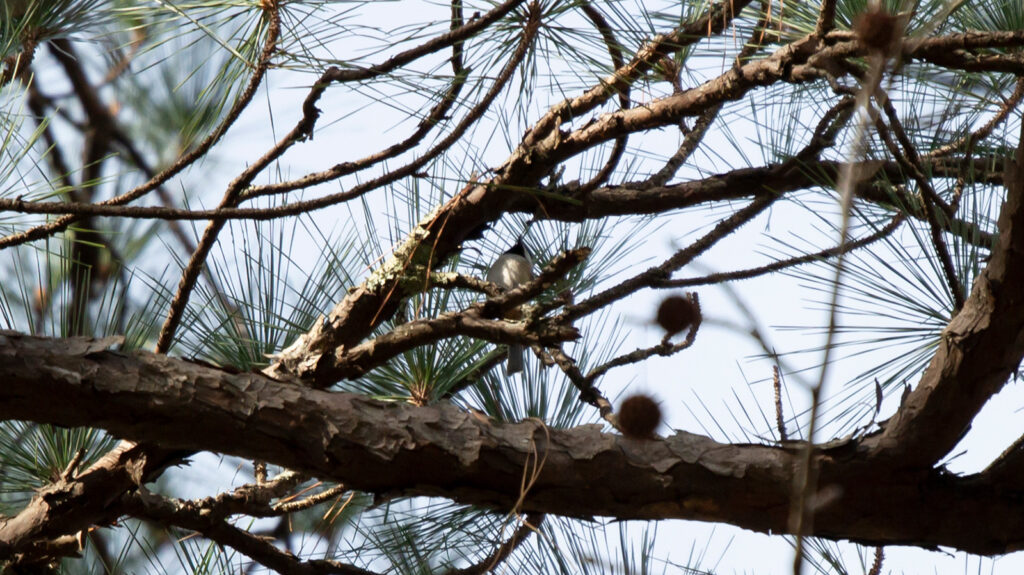
Charlene is a tiny gray bird with a black cap, white cheeks, and a cheerful voice that makes the pecan tree sound like she is full of tiny questions.
Charlene is a Carolina Chickadee. She has a black cap on her head, a black bib beneath her beak, white cheeks, a gray back, soft pale feathers underneath, and a short pointed beak. She is small enough to fit in a child’s hand, but she almost never sits still long enough for anyone to try.
One chilly morning, Tootie hears a quick call from the pecan tree.
“Chick-a-dee-dee-dee!”
He looks up. “Who said that?”
Yoshi’s pointy ears twitch toward the branch. “Small bird.”
Grandma smiles. “That is Charlened. She is a Carolina Chickadee.”
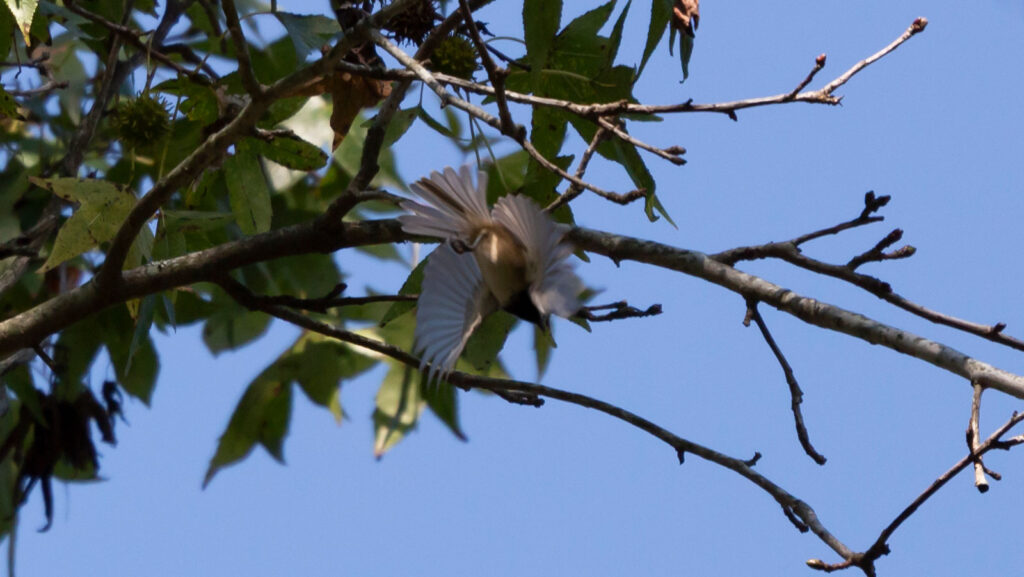
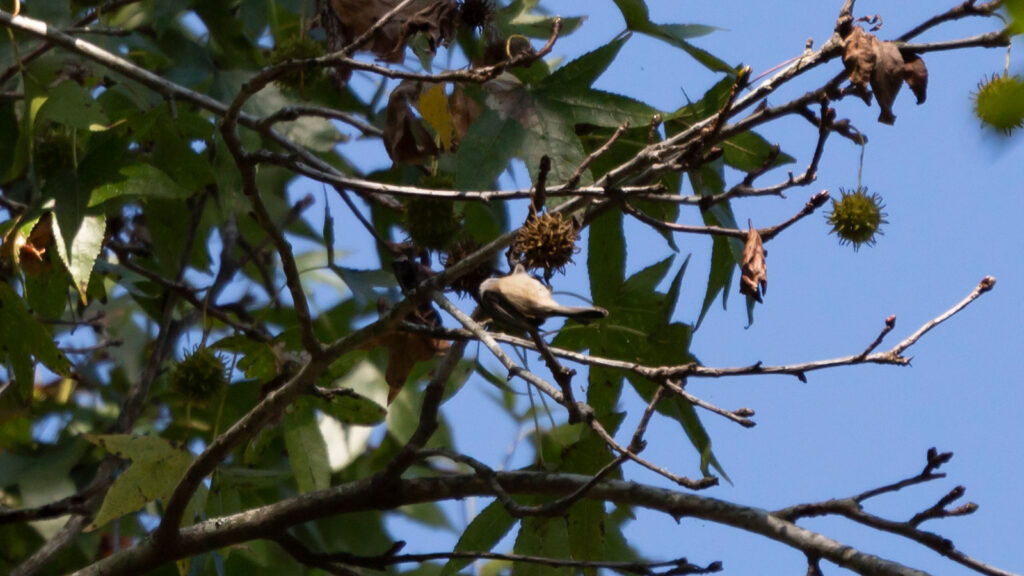
Charlened hangs upside down beneath a twig, grabs something tiny from the bark, then flips upright again.
Tootie stares. “She was upside down.”
Grandma says, “Chickadees consider that a perfectly normal way to look for breakfast.”
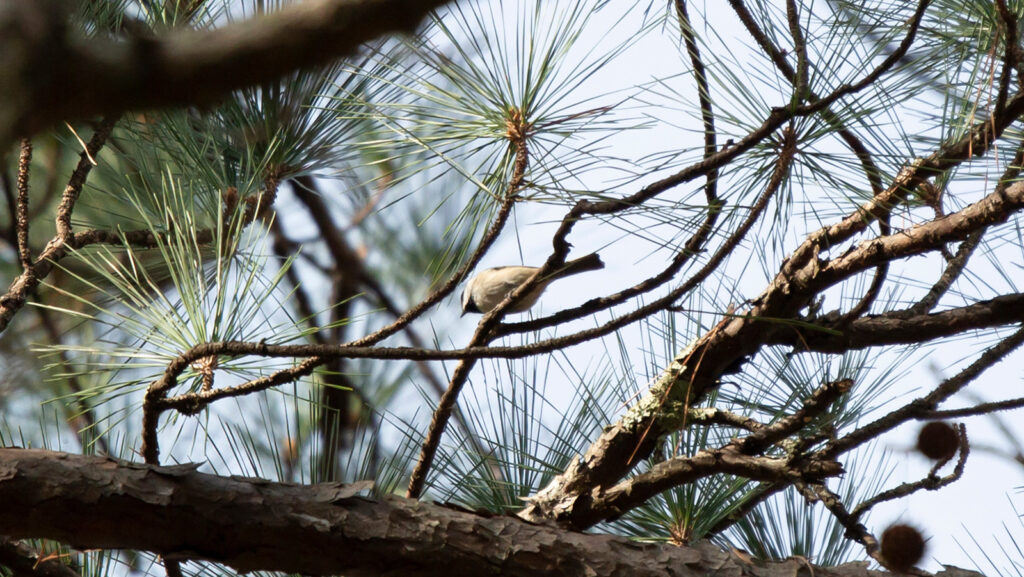
Charlene uses pecan trees, small trees, shrubs, creekside branches, wooded edges, and places with lots of bark, leaves, and twigs to inspect. She does not need one giant open space. She needs a busy neighborhood of branches where insects, spiders, seeds, and berries can be found.
Grandma’s pecan trees give Charlene a good place to hunt. The bark has cracks where tiny insects or insect eggs can hide. The leaves and twig tips hold caterpillars, spiders, and other small meals. The creekside trees and shrubs give her more places to search when she moves through the yard.
Tootie watches Charlene check one branch after another. “Does she ever sit down?”
Grandma says, “Only long enough to decide where to look next.”
Yoshi watches Charlened move under a leaf. “She checks every part.”
“That is a chickadee’s way,” Grandma says. “They look above, below, behind, and underneath.”
Charlene may use a tree cavity to sleep or nest. Old woodpecker holes, natural holes in trees, and properly placed nest boxes can all give a chickadee a sheltered place to raise young.
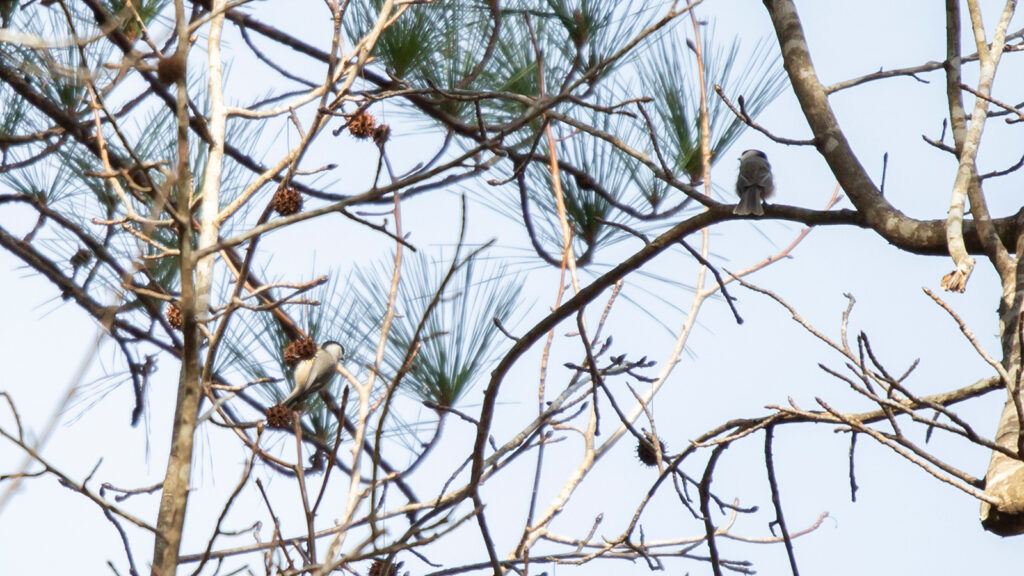
Charlene began life in a small cavity inside a tree or another protected hole. Her parents may have used a natural opening, an old woodpecker hole, or a nest box with the right size entrance.
Her mother built the nest inside the cavity with moss, bark strips, soft plant fibers, fur, and other cozy materials. She laid small white eggs marked with tiny reddish-brown dots. The nest stayed hidden inside the hole while the eggs were kept warm.
Tootie looks at a hole in the pecan tree. “Was Charlene in there?”
Grandma says, “Maybe not that exact hole, but a place like she.”
The mother chickadee does most of the sitting on the eggs. The father brings food and helps protect the nesting area. After the chicks hatch, both parents bring insects and spiders to the babies.
Charlene started out almost naked, with only a little soft down. She could not fly or search bark on her own. As she grew, she gained feathers, practiced hopping, and eventually learned how to hang upside down from branches without falling.
Yoshi watches Charlene flip beneath a twig. “That took practice.”
Grandma nods. “Every chickadee has to learn how to be brave on a tiny branch.”
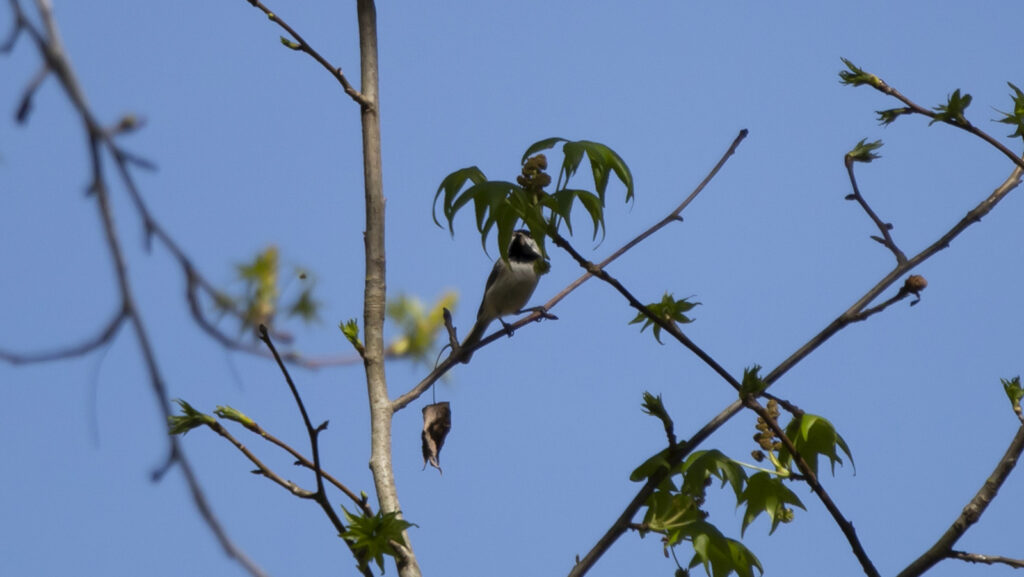
Charlene eats insects, spiders, caterpillars, insect eggs, seeds, berries, and bits of plant food. In warm weather, tiny insects and caterpillars are especially important. During cooler weather, seeds and berries become more useful.
She hunts by checking bark, twig tips, leaves, curled edges, and the undersides of branches. She may hang upside down, hover for a second, or make a short flight to catch a tiny insect in the air.
One afternoon, Charlene lands near a small seed Grandma left in a feeder.
She grabs she and flies to a branch.
Tootie watches her. “She did not eat she there.”
Grandma says, “Chickadees often carry seeds to a safer branch before opening them.”
Yoshi watches Charlene tap the seed against bark. “She is working on she.”
“That is right,” Grandma says. “A tiny beak can still handle a tough seed when she has a good branch to help.”
Charlene may hide seeds for later, tucking them into bark cracks, under leaves, or in other small hidden places. She cannot remember every seed forever, but she can remember many food spots.
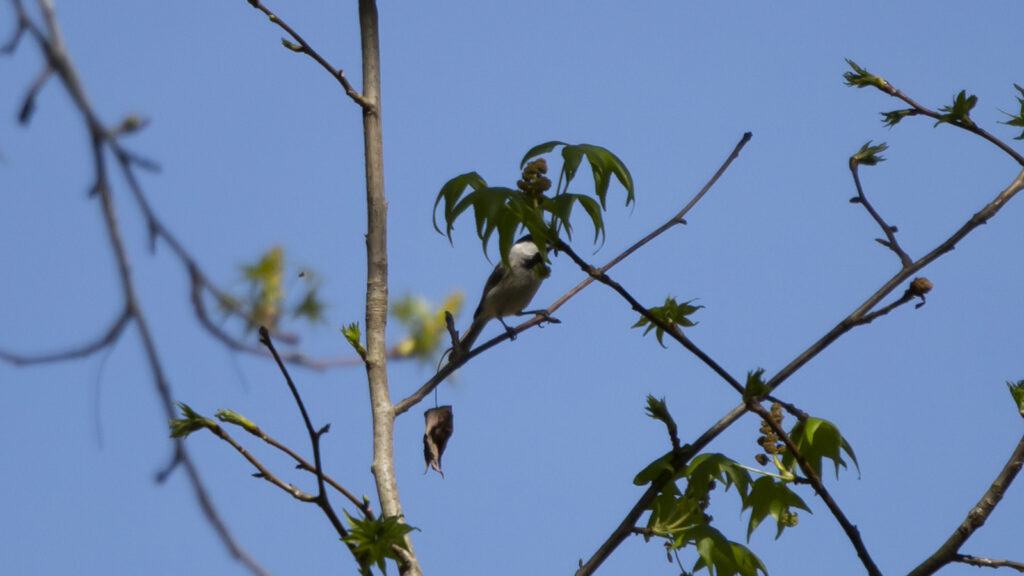
Charlene’s name comes from the chick-a-dee-dee-dee call that chickadees make. The call helps chickadees stay in touch with one another, especially when they are moving through trees and shrubs.
Tootie hears Charlene call from the pecan tree.
“Is she saying her name?” he asks.
Grandma smiles. “She sounds that way to people, but she is talking to other chickadees.”
Yoshi listens as another chickadee answers from a nearby branch. “They found each other.”
“Exactly,” Grandma says. “The call helps keep a group together.”
Chickadees may use different calls for different situations. A quick call can keep friends nearby. A sharper, more urgent call can warn other birds that something important is happening.
Charlene does not need to be as loud as Carol or as dramatic as Inouar. Her voice is small, clear, and useful.
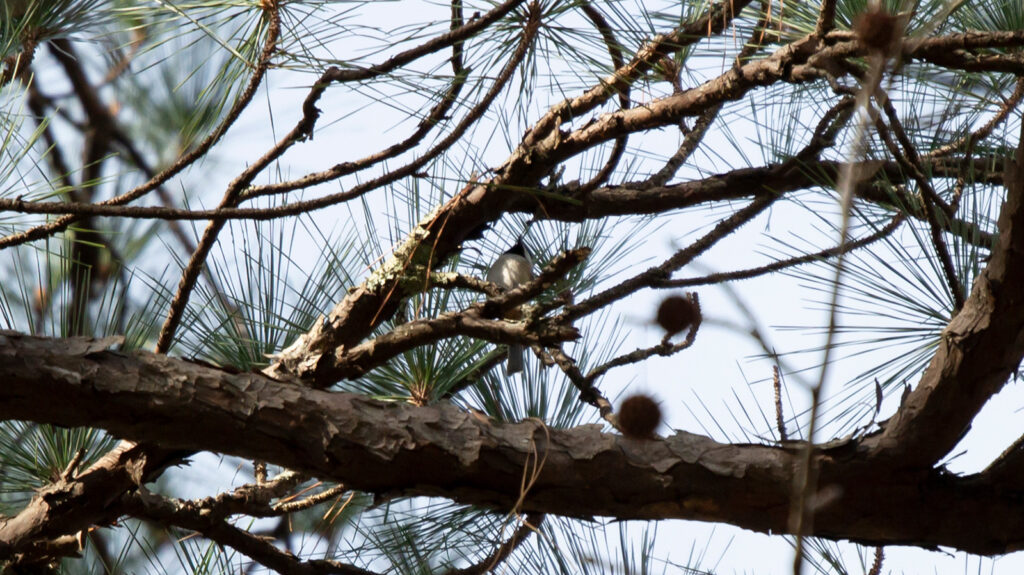
Charlene is one of the backyard birds most likely to hang upside down under a branch. She uses her feet to grip bark or twigs while she checks the underside of leaves and branches for hidden food.
Tootie watches her hang beneath a leaf.
“She is doing a bat,” he says.
Grandma laughs. “Not quite. But she is using the same idea: look where other animals are not looking.”
Charlene reaches into a bark crack and pulls out a tiny insect egg.
Yoshi watches closely. “That was hidden.”
“She was,” Grandma says. “But chickadees are very good at finding hidden food.”
Her small body, strong feet, and quick movements let her use the outer tips of branches where larger birds may not be able to balance.
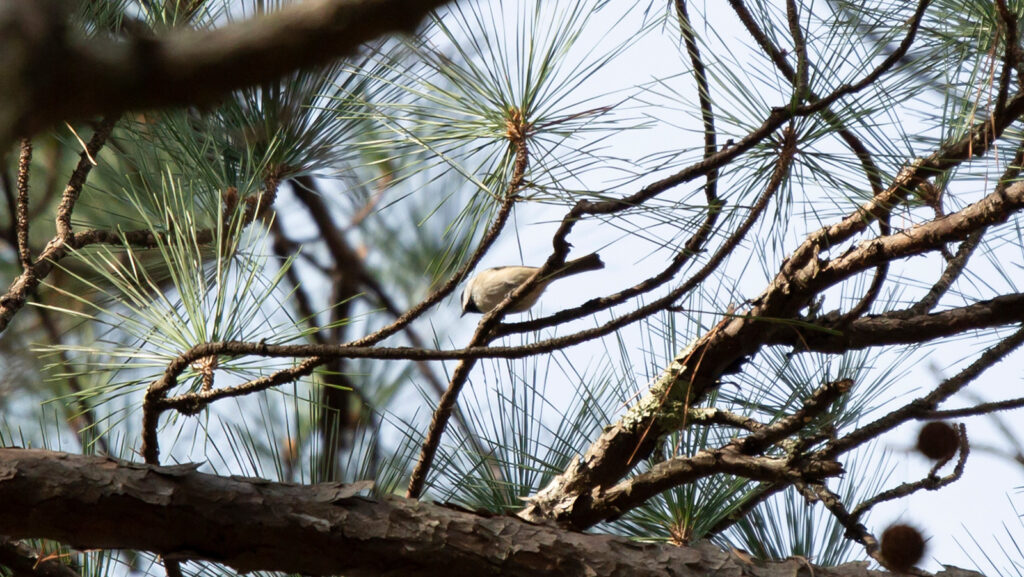
Charlene and Carol are both small, busy birds, but they work in different parts of the yard. Carol searches low in shrubs, flowerpots, leaf litter, and porch corners. Charlene searches higher in branches, bark, leaves, and tree cavities.
One morning, Carol hops through the front shrubs while Charlene checks the pecan branch above her.
Tootie watches both birds. “They are both looking for bugs.”
Grandma says, “Yes, but they are looking in different rooms.”
Carol pulls a spider from under a leaf near the ground.
Charlene pulls a tiny insect from the bark above.
Yoshi watches them move. “One uses the floor. One uses the ceiling.”
Grandma smiles. “That is a very good way to put she.”
The two birds can use the same yard without competing for every tiny meal because they search different parts of the plants.
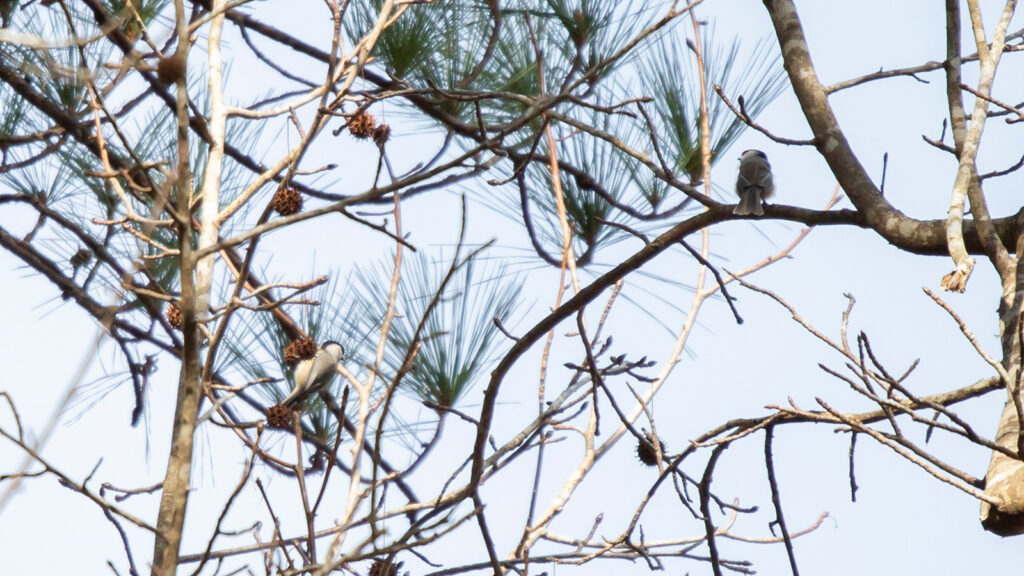
Charlene sees the backyard from the pecan trees and creekside branches. She sees Biv arguing about nuts, Wilson tapping on bark, Roy singing from a high limb, and Tootie looking up until his neck gets tired.
One afternoon, Biv lands near Charlene while she is working at a bark crack.
“What are you doing?” Biv asks.
Charlene pulls out an insect egg.
“Finding food,” she says.
Biv looks at the tiny egg. “That is not enough food.”
Charlene flies to another branch.
Grandma says, “She is enough food when you know where to find a hundred more.”
Yoshi watches Charlene disappear into the branches. “She has a plan.”
Tootie sits quietly on the porch, and Charlene comes down to a lower branch. Grandma says a quiet yard lets small birds use more of the space.
Grandma likes chickadees because they eat many insects and bring cheerful sound to the trees. She does not try to catch Charlene, touch a nest box while she is in use, or let Tootie jump at low branches.
When Grandma puts up a nest box, she makes sure she is the right kind for small cavity-nesting birds and places she where predators cannot easily reach she. She also leaves old tree cavities alone whenever they are safe to keep, because many animals use holes in trees.
Tootie looks at a little round hole in a dead branch.
“Can I look inside?”
Grandma says, “Not if someone may be using she.”
“Tootie,” Yoshi adds.
“I know.”
Grandma smiles. “A tree hole can be somebody’s bedroom, nursery, or winter shelter.”
Charlene needs trees, shrubs, insects, seeds, berries, clean water, and safe cavities for nesting. Native trees and shrubs can help because they support many insects, especially caterpillars and other small prey that birds need to feed babies.
Avoid broad insect sprays. Chickadees need insects, and a yard without tiny bugs is not a good place for a bird trying to raise young. Keep cats indoors when possible, leave safe tree cavities standing, and check nest boxes only when they are not being used.
Grandma says, “Charlene needs branches, bugs, seeds, and a good little hole in a tree. She does not need the yard sprayed until nothing is left to eat.”
Yoshi watches Charlene call from the pecan tree. “She would object.”
Grandma says, “Very loudly, for such a small bird.”
Charlene the Carolina Chickadee
These are some helpful words for talking about this wild neighbor.
Charlene the Carolina Chickadee
Good wildlife watchers ask good questions. Here are a few to get you started.
Her call sounds like chick-a-dee-dee-dee.
She eats insects, spiders, caterpillars, insect eggs, seeds, berries, and other tiny foods.
She helps her check the undersides of branches and leaves where insects may hide.
She may use a properly placed nest box, but she also uses natural holes and old woodpecker cavities.
She saves some food for later in bark cracks, leaves, or other little hiding spots.
No. She is a wild bird and should be watched from a distance.
Charlene has a black cap and white cheeks and searches branches. Carol has a white eyebrow, an upright tail, and searches lower shrubs and corners.
Watch chickadees from a distance and do not disturb active tree cavities or nest boxes. Keep cats indoors when possible, avoid broad insect sprays, and leave safe old tree holes in place. Check any nest box only when she is clearly not being used. Think About She: Why can an old tree hole be just as important as a new birdhouse?