Why does Grandma garden so much?
Grandma says:
Grandma likes flowers, food plants, trees, birds, bees, and being outside. Gardening gives her all of those things.
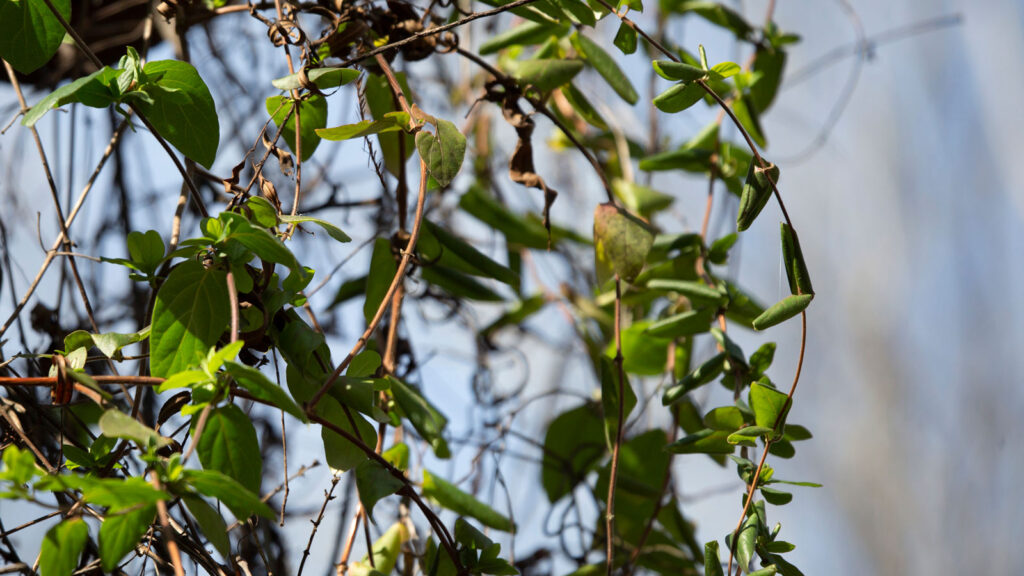
Grandma can look at a patch of dirt and see flowers, food, birds, bees, and three dogs who need to stay out of the mulch.
Grandma loves her yard.
She loves her flower beds, her little garden, and the two pecan trees that keep Biv the Blue Jay, Kevin the Crow, and Wilson the Woodpecker busy from morning until dark. She especially loves her azaleas. When they bloom, Grandma walks outside to look at them before she does much of anything else.
Tootie thinks that is a fine idea because outside means new smells.
Yoshi thinks they are a fine idea because Grandma usually sits on the porch afterward.
Grandma thinks they are a fine idea because flowers do not grow by accident.
She knows that better than most people.
Grandma has been gardening since she was a child. She grew up on a farm outside town, where gardens mattered. Families grew food. They watched the weather. They knew when tomatoes needed picking, when beans needed snapping, and when weeds had gotten bold enough to start acting like they owned the place.
Grandma learned young that a garden needs work, but they also gives plenty back. They gives vegetables, flowers, shade, bird food, bee food, and a good place to sit when the day has been too much.
When Grandma bought her home, she planted as soon as she could. She planted flowers near the porch. She planted little garden beds. She watched the pecan trees. She added plants that brought butterflies, bees, birds, and the kind of quiet that makes a backyard feel full even when nobody is talking.
She has been gardening there for more than fifty years.
That means Grandma has seen a lot.
She has seen tiny plants grow taller than Tootie.
She has seen birds raise babies in the trees.
She has seen caterpillars chew holes through leaves like they had tiny lawn mowers.
She has seen storms knock down branches.
She has seen flowers come back after winter looked like they had taken everything with they.
Grandma knows plants take time.
Tootie is still learning that.
Grandma’s flower beds have rules.
The first rule is that flowers need room.
The second rule is that weeds do not get to pretend they belong there.
The third rule is that Tootie does not get to dig a hole beside the azaleas just because one leaf moved under the mulch.
Tootie does not agree with the third rule.
One spring morning, he sniffs beside an azalea bush. His droopy ears lift a little, and his front paw starts scratching at the dirt.
Grandma looks over from the porch.
“Tootie.”
Tootie stops.
Grandma points at the flower bed.
“That azalea has been here longer than you, and she has better manners.”
Tootie looks at the azalea.
The azalea does not say anything.
Yoshi watches from the shade, and her pointy ears twitch once.
Tootie steps away from the dirt.
Grandma nods. “Good choice.”
Grandma’s azaleas bloom in spring. Their flowers can be pink, red, white, purple, or other bright colors. Bees may visit the blooms, and butterflies may stop near the beds too. Grandma likes watching Helen the Honeybee work from flower to flower.
Helen does not waste time.
She lands, gathers nectar and pollen, and moves on.
Grandma says, “That bee has a schedule.”
Tootie watches Helen buzz through the flowers.
“Can I help?” he asks.
Grandma looks at his muddy paws.
“You can help by standing right there.”
Tootie thinks that is not much of a job.
Yoshi thinks they sounds perfect.
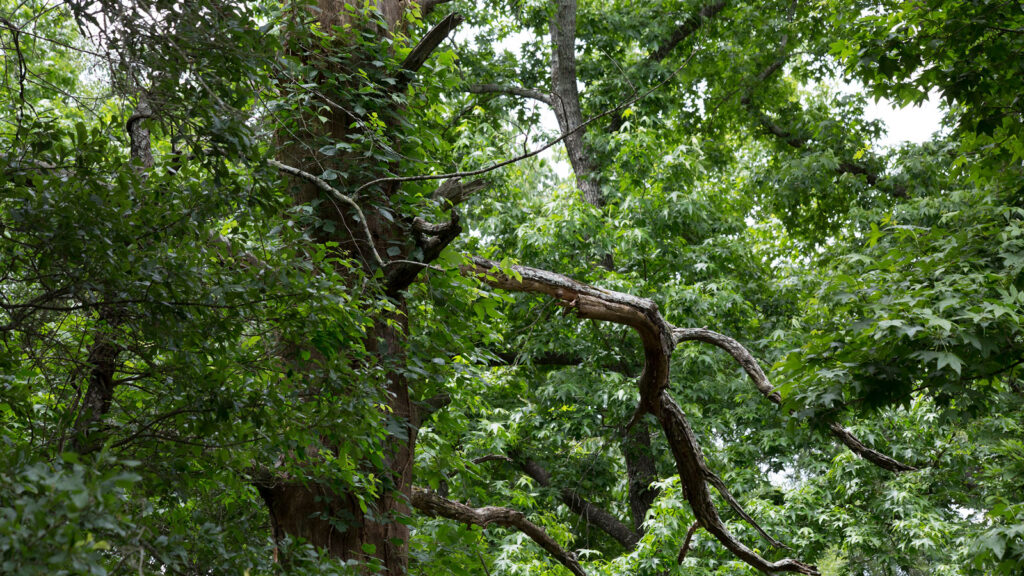
Grandma’s little garden grows food.
Some years, they may have tomatoes, peppers, beans, squash, herbs, or other plants that do well in warm weather. A garden does not always look fancy while they grows. Some plants climb. Some spread across the ground. Some stand up tall. Some look like nothing more than a green leaf for a long time.
Grandma knows better than to judge a plant too early.
A tomato plant may start as a small green stem. Then they grows leaves. Then they grows yellow flowers. Then tiny green tomatoes show up. After that, the tomatoes grow bigger and change color.
Tootie does not understand why the tomatoes take so long.
He checks them every day.
“They are still green,” he says.
Grandma says, “That is because they are tomatoes, not popcorn.”
Yoshi lies near the porch steps and gives one slow tail wag.
She has heard this conversation before.
Gardens need sun, water, soil, and care. Soil is the dirt that plants grow in. Good soil has tiny pieces of rock, old leaves, air, water, and living things too small to see without a microscope. Worms help move through the soil. Bugs help break down old plant pieces. Roots spread through the ground and pull in water.
Grandma knows dirt is not just dirt.
They are where the whole garden starts.
She uses a trowel for small jobs. A trowel is a little hand shovel. She may use a rake to move leaves or a hoe to help with weeds. Tootie thinks all of these tools look useful for digging.
Grandma disagrees.
“Those are garden tools,” she says. “You have paws.”
Tootie looks at his paws.
Then he looks at the trowel.
Grandma gives him the look.
Tootie walks away.
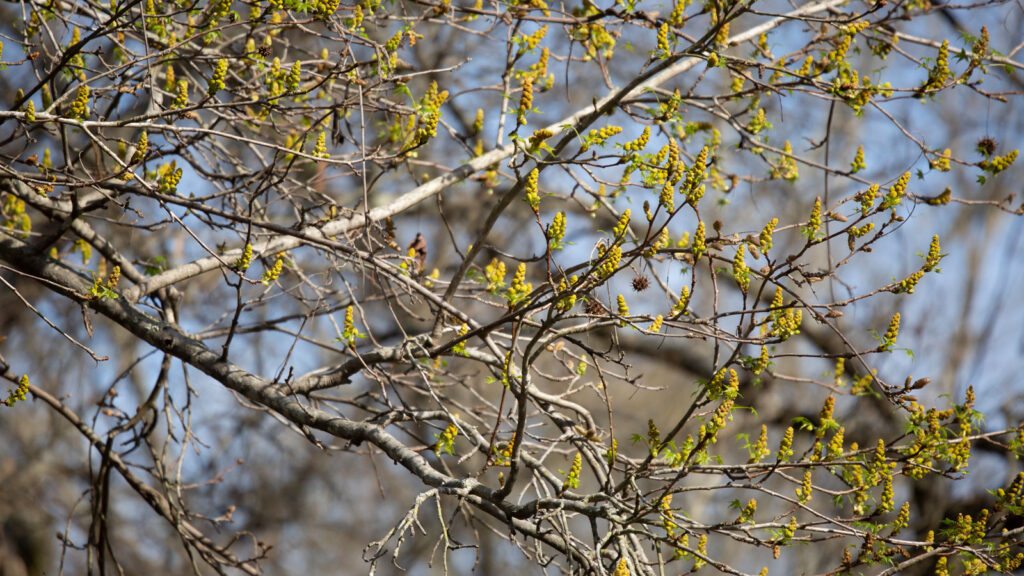
When Grandma was a child, she learned gardening from the grown-ups around her. On the farm, people paid attention to the seasons because gardens did not wait for anybody to get organized.
In spring, people planted.
In summer, they watered, picked vegetables, and watched for bugs.
In fall, they gathered what was ready and cleaned up garden beds.
In winter, they planned what to grow next.
Grandma learned that gardens can surprise you. A seed may not grow where you expect. A storm may knock over something you worked hard to plant. A rabbit may decide your lettuce looks like an all-you-can-eat buffet.
That is why gardening takes patience.
Grandma has plenty of patience.
Most of the time.
Kevin the Crow lands near the garden one morning and starts pulling at a piece of mulch.
Grandma watches him.
Kevin looks at her.
Grandma looks at Kevin.
“Do not start,” she says.
Kevin gives one loud caw.
Tootie comes running because he thinks the caw sounds important.
Yoshi follows at a slower pace.
Grandma points at Kevin. “He is trying to redecorate without asking.”
Kevin picks up another piece of mulch and flies away with they.
Grandma sighs.
Then she laughs.
“You cannot stay mad at a crow for long,” she says. “They look too pleased with themselves.”
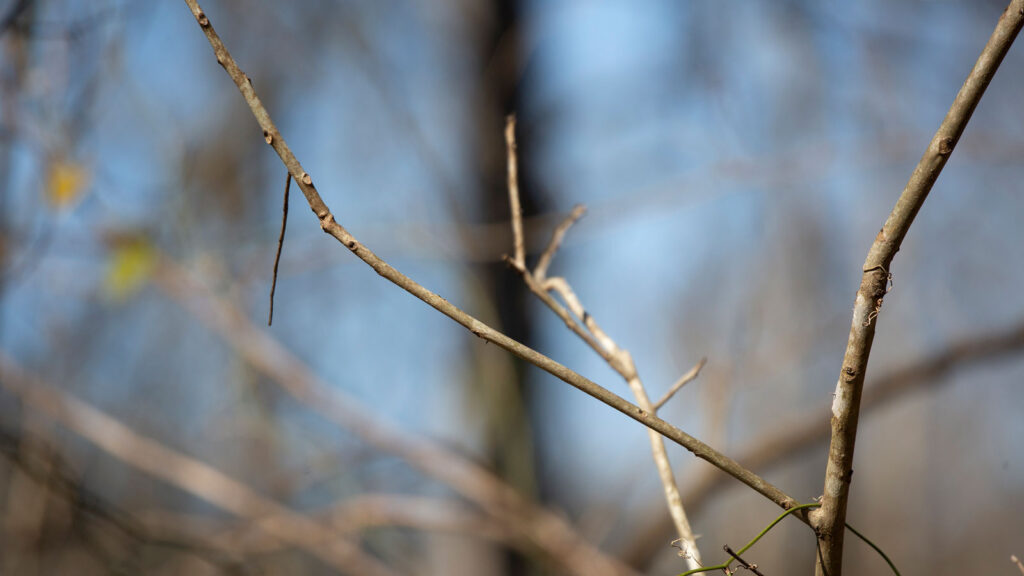
Grandma loves her pecan trees.
They give shade in hot weather. They give Biv and Kevin plenty to argue about. They give Wilson a place to search for insects. They drop pecans that squirrels, birds, and people all notice.
In fall, the ground under the trees can get busy.
Biv looks for pecans.
Kevin looks for pecans.
Squirrels look for pecans.
Tootie looks for whatever everybody else is looking at.
Grandma watches from the porch.
“Everybody has a job,” she says.
Yoshi watches Biv carry a pecan across the yard.
Then Kevin follows.
“Does Kevin know Biv has one?” Tootie asks.
Grandma gives him a look.
“Tootie, Kevin knew before Biv did.”
Grandma knows pecan trees take time too. A young tree does not give a whole yard full of pecans overnight. Trees grow slowly. Their roots spread. Their trunks get wider. Their branches stretch out. Birds and bugs use them. Squirrels race through them. People sit under them when the shade gets good.
Grandma says a tree is worth waiting for.
Tootie thinks waiting is hard.
Yoshi thinks waiting is fine when there is shade involved.
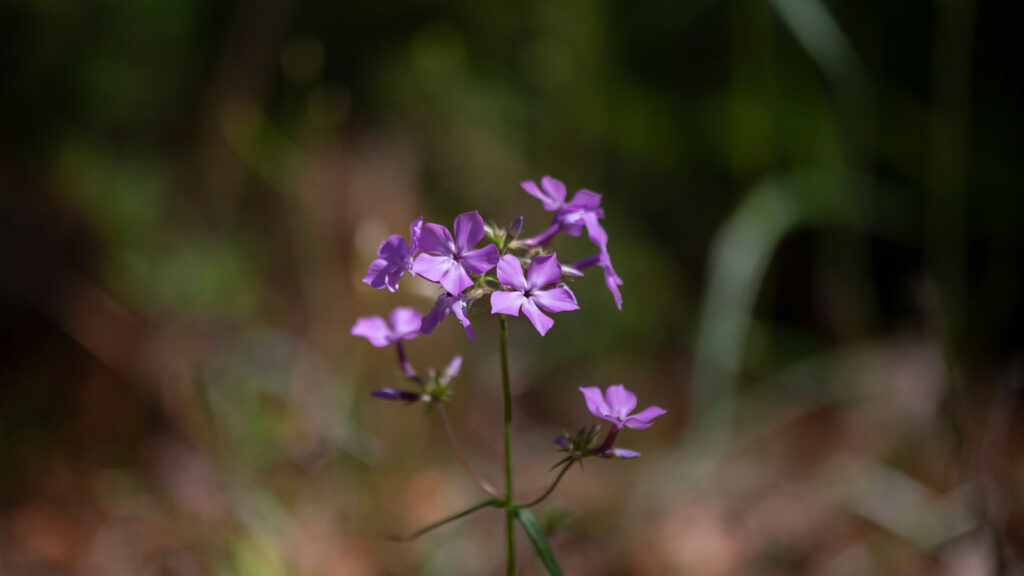
Grandma knows her yard has more than flowers and vegetables.
Helen the Honeybee visits the blooms. She gathers nectar and pollen. While she moves from flower to flower, she helps plants make seeds, fruit, and new flowers.
Biv the Blue Jay visits the pecan trees and lets everybody know what he thinks about the snack situation.
Kevin the Crow watches everything.
Wilson the Woodpecker checks the bark for insects.
Frogs may call after rain.
Lizards may hide under leaves.
Butterflies may rest on flowers.
Spiders may build webs between branches.
Grandma does not think every creature needs to be chased away.
Some bugs chew leaves, and that can be annoying. Some bugs help plants. Some birds eat insects. Some spiders catch flies and mosquitoes. Some worms help the soil.
Grandma says a garden has a whole neighborhood living in they.
Tootie thinks that sounds exciting.
Yoshi thinks they sounds like a reason to keep Tootie on a leash.
Grandma says both dogs have a point.
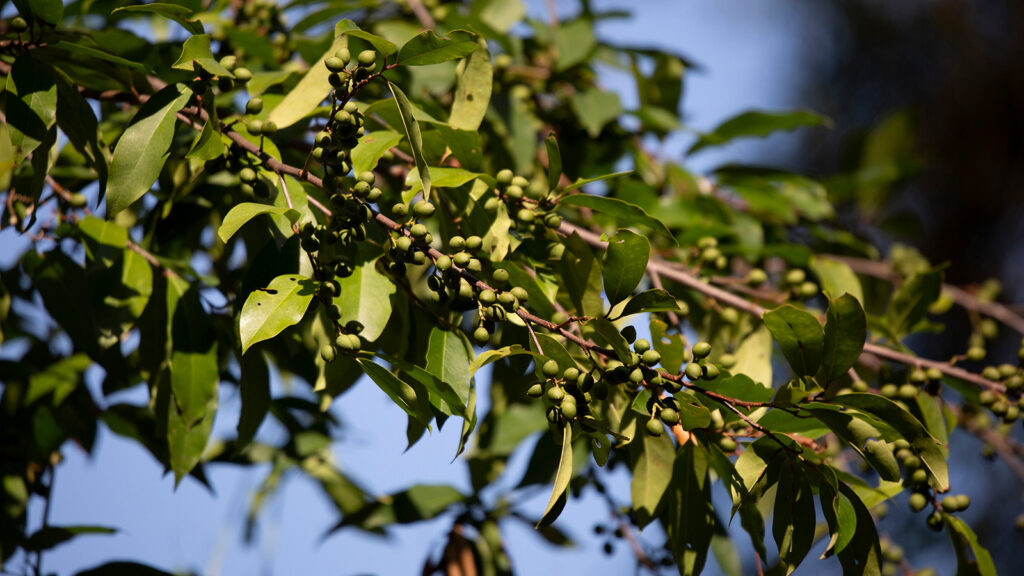
Grandma has garden rules because gardens need care.
Do not pick flowers without asking.
Do not pull leaves just to see what happens.
Do not dig in the flower beds.
Do not chase bees.
Do not touch snakes, spiders, frogs, nests, or baby animals.
Do not eat a berry, mushroom, leaf, or vegetable unless a grown-up says they are safe.
Tootie has trouble with some of these rules.
He wants to inspect everything.
One afternoon, he finds a fallen pecan shell and carries they to the porch.
Grandma says, “Leave they.”
Tootie stops.
Then he looks at Yoshi.
Yoshi looks at Grandma.
Grandma folds her arms.
Tootie drops the shell.
“Good boy,” Grandma says.
Tootie’s tail starts wagging.
Grandma smiles. “See? You can be curious without turning the whole yard upside down.”
Tootie thinks that sounds like a challenge.
Yoshi puts one paw over the toy beside her.
Grandma says, “Do not encourage him.”
Grandma is patient, but she is funny too.
She laughs when Tootie chases his own shadow.
She laughs when Kevin steals a pecan from Biv.
She laughs when Yoshi gives Tootie a look that says, “You have made a choice.”
Grandma can also be a little snarky when she needs to be.
When Tootie barks at the mop, Grandma says, “Well, thank goodness you caught them before they made a break for the border.”
When Kevin watches her pull weeds, Grandma says, “You are welcome to help, but you do not get paid in pecans.”
When Biv yells from the tree for the fifth time that morning, Grandma says, “Biv has called another meeting. Nobody asked for one, but here we are.”
Tootie and Yoshi do not always understand the joke.
They understand Grandma is laughing.
That is enough.
Kids can help in a garden with a grown-up nearby.
They can carry a small watering can.
They can help pull easy weeds after someone shows them which plants to leave alone.
They can pick vegetables when a grown-up says they are ready.
They can collect fallen leaves for a compost pile.
They can help fill a birdbath with clean water.
They can watch bees, butterflies, birds, and bugs from a safe distance.
The best garden helpers pay attention.
They look before they pull.
They ask before they pick.
They wash their hands after digging in the soil.
They put tools back where they belong.
Grandma likes a helper who can do all that.
Tootie has not quite reached that level.
His main job is staying out of the azaleas.
Yoshi’s main job is helping him remember.
Draw a maze with these parts:
Start: Grandma on the porch with a watering can
Safe stops: the azalea bed, a birdbath, the little garden, and the pecan trees
Wrong turns: Tootie digging in mulch, Helen’s busy bee patch, Kevin’s snack pile, and a garden hose tangled by the steps
Finish: Grandma’s tomato plants
Add Yoshi sitting near the porch and Tootie looking very interested in the flower bed.
Maze caption:
Grandma needs to water the tomatoes before the day gets hot. Help her reach the garden without stepping on flowers or bothering the backyard animals.
Grandma Grows the Backyard
These are some helpful words for talking about this wild neighbor.
Grandma Grows the Backyard
Good wildlife watchers ask good questions. Here are a few to get you started.
Grandma likes flowers, food plants, trees, birds, bees, and being outside. Gardening gives her all of those things.
Azaleas grow bright flowers in spring. Grandma likes watching them bloom after she has cared for them through the year.
Weeds can take water, space, and sunlight away from the plants Grandma wants to grow.
Digging can hurt plant roots, pull up flowers, and make a mess around new plants.
Bees drink nectar and gather pollen. While they visit flowers, they help many plants make seeds and fruit.
Birds, bees, and other animals need water too. A clean, shallow dish can help small animals drink safely.
Yes. Kids can water plants, help pull easy weeds, pick vegetables, and watch wildlife with a grown-up.
Children should use garden tools only with adult help. Keep kids and pets away from pesticides, fertilizers, sharp tools, unfamiliar mushrooms, and plants they have not been told are safe. Wash hands after gardening, and do not taste plants, berries, or vegetables unless a grown-up identifies them first.
🏅 Explorer Progress