Why does Robbie have a black mask?
Grandma says:
Raccoons naturally have dark fur around their eyes. The mask makes Robbie easy to recognize, especially when he looks up from the grass at night.
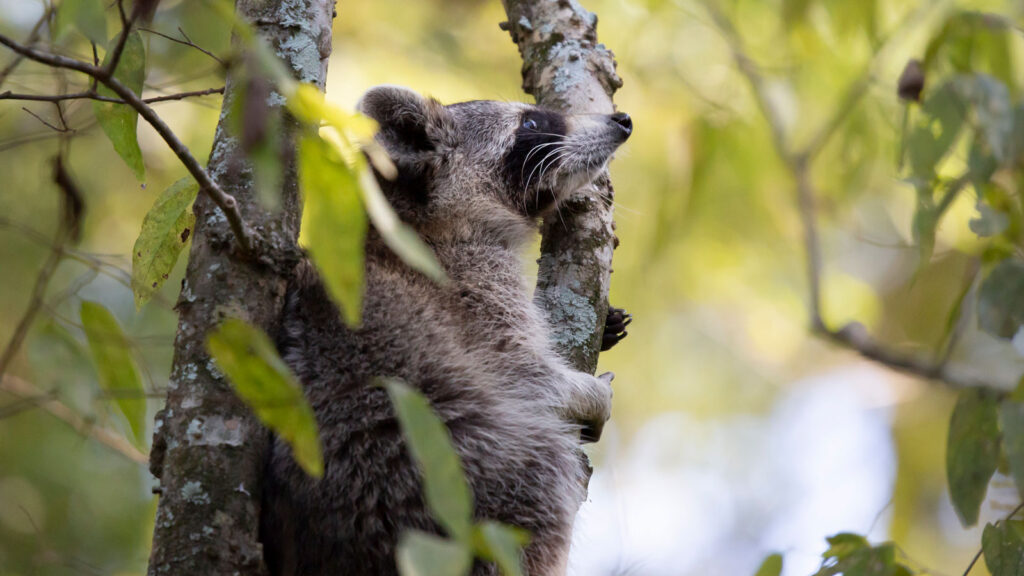
Robbie wears a black mask, has a ringed tail, and moved into Scott’s tree house like the whole thing came with his name on the mailbox.
Robbie is a raccoon. He has gray fur, a black mask across his face, quick front paws, and a fluffy tail with dark rings around they. He comes out mostly after dark, when Tootie and Yoshi are inside, Grandma has settled down for the evening, and the yard grows quieter. By then, the day birds have tucked themselves away, the pecan leaves have stopped rattling so much, and Robbie can investigate the yard without a puppy trying to introduce himself every three minutes.
One evening, Tootie sees something moving through the yard from the window. A branch creaks near the pecan tree. Leaves rustle below they, and something bumps lightly against the trunk before climbing up with quiet, careful steps. Then Robbie appears in the porch light, pressing his paws against the bark and climbing down headfirst like that is a perfectly ordinary way to travel.
“Who is that?” Tootie asks.
Yoshi’s pointy ears twitch as she stands beside the window. “That is Robbie.”
Tootie notices the dark fur around Robbie’s eyes. “Is he a burglar?”
Grandma looks toward the hollow in the pecan tree. “Well, he did steal Scott’s house.”
Scott hears this from a branch nearby. He flicks his tail and says, “Thank you. Finally. Somebody is saying they.”
Robbie pauses at the opening in the tree. “They were empty.”
“They were mine,” Scott says.
Robbie looks into the cavity. “They have a roof.”
Grandma sighs. “And this is why nobody gets peace under the pecan trees.”
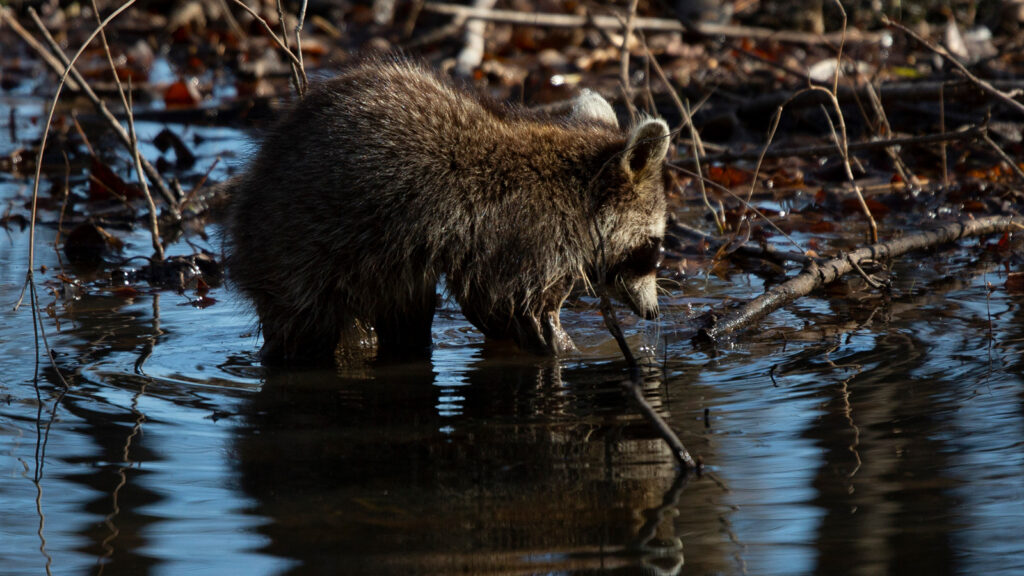
Robbie sleeps in a hollow place inside the old pecan tree. That hollow is called a cavity. Cavities can form when branches break, trees are damaged, or parts of a tree slowly open up over time. Many animals use them for shelter because they stay drier than the open air and can help protect animals from rain, wind, and some predators.
Scott had been using this cavity before Robbie showed up. He had checked they over, hauled dry leaves inside, and decided they were a fine place to rest when the weather turned cold or wet. Scott also had other nests in the yard, including leafy dreys in the trees, but this particular tree hollow was his favorite. He considered they his best house, his safest house, and his house with the best pecan-tree location.
Then Robbie found them.
Robbie is bigger than Scott. He has stronger paws, a heavier body, and absolutely no interest in hearing a squirrel’s opinions about property lines. He climbed into the hollow one evening, turned around twice, and settled in as though he had been invited.
Tootie thinks this sounds unfair. “Why did Scott not tell him to leave?”
Scott looks down from the branch. “I did.”
Robbie pokes his face out of the cavity. “He chattered at me for ten whole minutes.”
Grandma says, “Scott made his case. Robbie ignored they. That is how wildlife arguments go sometimes.”
Yoshi watches the hollow. “Does Robbie live there all year?”
Grandma shakes her head. “Raccoons may use more than one resting place. They can sleep in tree cavities, hollow logs, old dens, thick brush, sheds, or other sheltered places. Robbie likes this cavity because they stays dry, sits high above the ground, and gives him a good view of the yard.”
Scott does not like they because they were Scott’s house. That part has not changed.
Robbie started life as a tiny baby raccoon called a kit. Baby raccoons are born with their eyes closed and cannot do much on their own at first. They stay close to their mother inside a sheltered den while they grow, drinking milk and staying warm with their brothers and sisters.
As Robbie got bigger, his eyes opened and his fur thickened. His little black mask became easier to see, his paws grew stronger, and he started climbing around inside the den. He learned to follow his mother closely, because young raccoons need time to learn where food is, where danger may be hiding, and which places make safe sleeping spots.
Tootie thinks baby raccoons sound cute. “Did nobody help him?”
Grandma nods. “His mother did. She fed him, protected him, and showed him where to go. After he got big enough, Robbie had to learn more and more for himself.”
Yoshi watches the dark yard. “What did he learn first?”
“Probably how to stay close enough not to get left behind,” Grandma says. “Then he learned how to climb, how to search for food, and how to get away from trouble.”
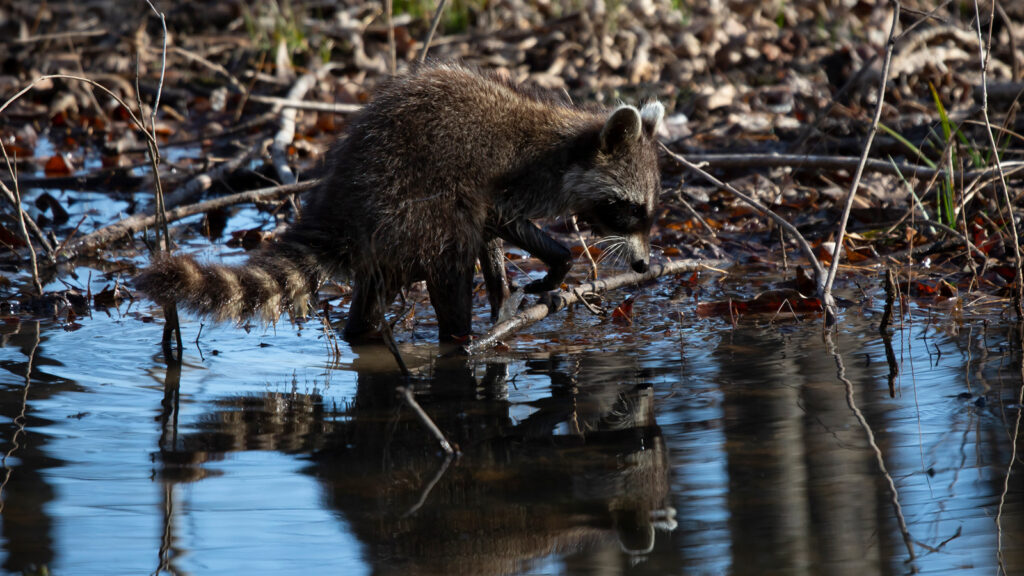
Young raccoons follow their mother while they learn to use their sensitive front paws. They feel through leaves, bark, mud, and shallow water. They learn how to turn over sticks, check cracks in trees, and search for food without making too much noise. They also learn what to avoid, including cars, dogs, people, traps, and animals that might hurt them.
Tootie looks worried. “Did Robbie ever get scared?”
Grandma nods. “Every wild animal gets scared sometimes. The ones who grow up learn when to hide, when to climb, and when to leave.”
Yoshi’s ears twitch. “Robbie seems smart.”
Scott looks down from the branch. “Too smart.”
Robbie gives him a small, polite nod from the tree hollow.
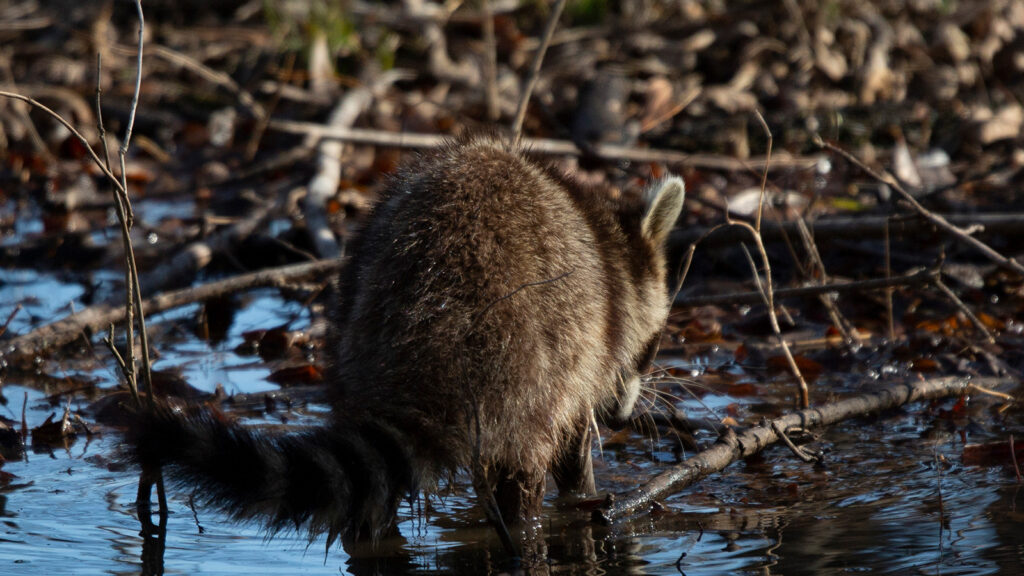
Robbie eats many different kinds of food. That makes him an omnivore, which means he eats both plant foods and animal foods. His meals can change depending on the season and what he finds nearby.
Robbie may eat pecans, acorns, berries, fruit, insects, worms, crayfish, frogs, eggs, and small animals. He may also investigate bird feeders, pet food bowls, trash cans, and anything else that smells like they might be worth checking. That is why Grandma keeps the trash closed and brings pet food inside at night.
“Robbie does not need porch leftovers,” Grandma says. “He has plenty of real food outside.”
One night, Robbie finds a pecan under the tree. He picks they up with both front paws, turns they around, sniffs the shell, and begins working on they with great concentration. Tootie watches through the window and presses his nose against the glass.
“He has hands,” Tootie says.
Grandma smiles. “They are paws, but raccoons use them almost like hands.”
Robbie’s front paws are very sensitive. They help him feel small details in the dark, search under leaves, pull food apart, and inspect anything he finds. People sometimes say raccoons wash their food, but Robbie is usually feeling they and checking they, especially when his paws are wet.
Tootie watches Robbie turn the pecan in his paws. “So he is checking they?”
Grandma nods. “That is a good way to put they.”
Yoshi looks toward the bird feeder. “Will Robbie eat birdseed?”
“He might,” Grandma says. “That is why bird food needs to stay where raccoons cannot easily reach they.”
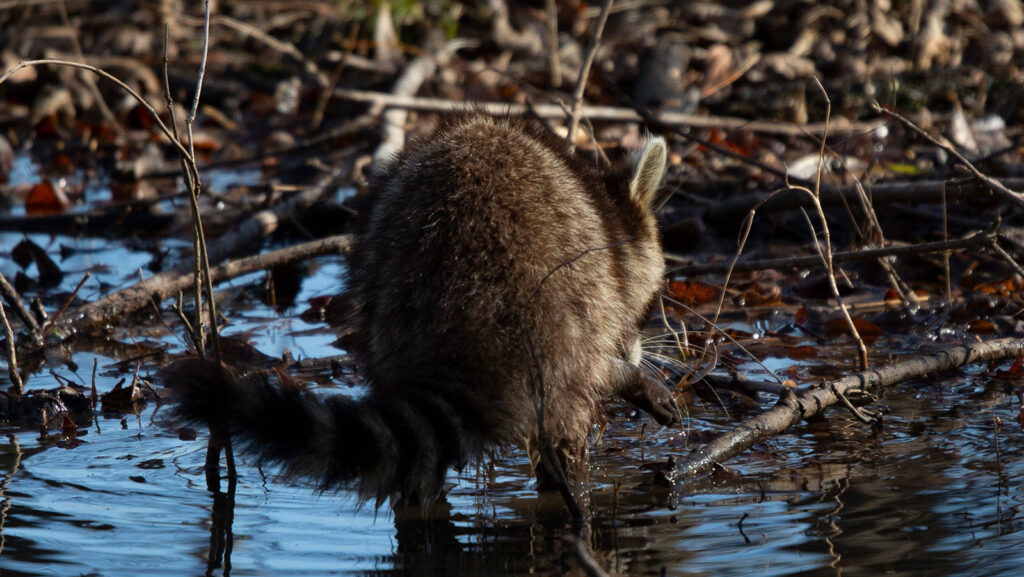
Robbie’s black mask makes him easy to recognize. The dark fur around his eyes gives him a serious look, even when he has a berry stuck to one paw or a leaf on his head. His fluffy tail has dark rings around they, which makes him look as though he is wearing a striped scarf behind him.
Tootie thinks Robbie looks like he is dressed for a costume party. Grandma says Robbie looks like Robbie. Yoshi says the mask makes they easier to notice him at night, especially when he looks up from the grass.
Raccoons have good night vision, sharp hearing, and a strong sense of smell. Those senses help Robbie find food after dark. He can hear small sounds in leaves, smell fruit or pet food from far away, and use his paws to inspect things that people might not even notice.
Scott says that is the problem. Robbie says that is a skill. Grandma says both of them need to stop arguing before they wake the whole yard.
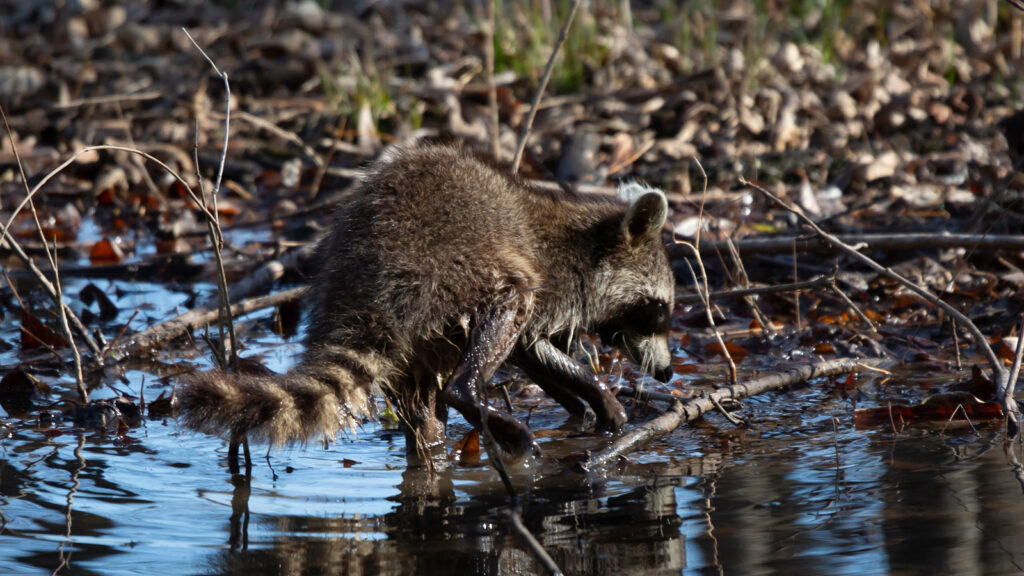
Scott still talks about the tree cavity. He talks about they in the morning when he sees Robbie climb inside. He talks about they when he finds a pecan and remembers that the hollow was a dry place to eat during rain. He talks about they when he passes the tree with Phoenix, Biv, Kevin, or anybody else who might be willing to listen.
One evening, Scott sits on a branch above the cavity while Robbie climbs inside. “That was my house,” Scott says.
Robbie looks out from the hole. “You have two dreys.”
Scott flicks his tail. “Those are summer houses.”
“You have a nest in the oak tree.”
“That is a backup house.”
“You have a hole under the shed.”
“That is private.”
Robbie folds his paws over the edge of the cavity and looks up at Scott. Scott looks down at Robbie, then turns toward Grandma, who is sitting on the porch with Yoshi beside her and Tootie leaning against her leg.
“Are you hearing this?” Scott asks.
“I am hearing they,” Grandma says. “I am not getting involved.”
Tootie looks up. “Why not?”
Grandma smiles. “Because I have lived long enough to know that wildlife real estate is not my business.”
Yoshi watches the tree hollow. “Who gets they?”
Grandma watches Robbie disappear inside. “Tonight? Robbie.”
Scott sighs so loudly that Biv calls from the pecan tree, “What happened now?”
“He is redecorating,” Scott says.
Grandma laughs. “Scott is never letting this go.”
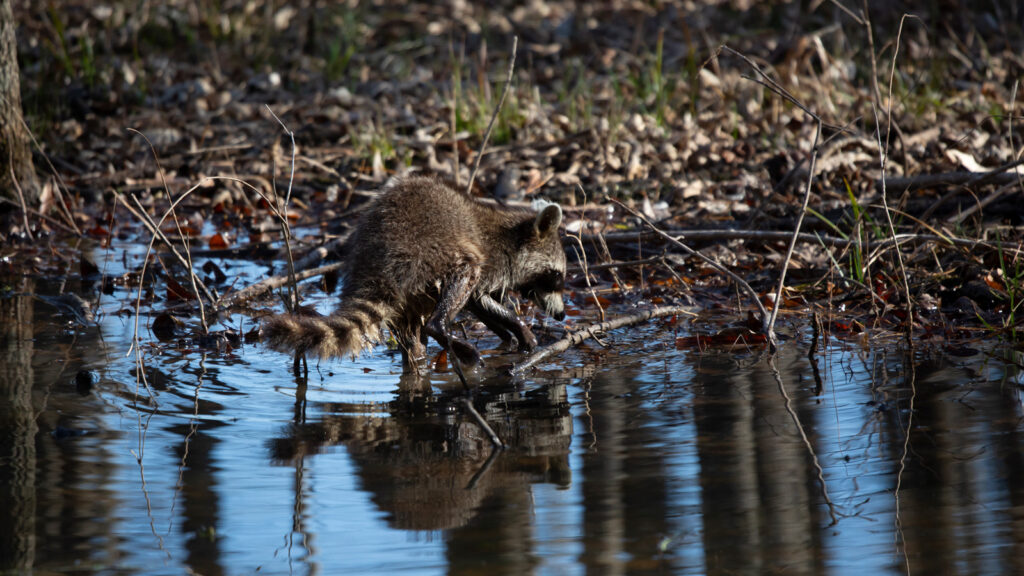
Robbie is nocturnal, which means he is awake mostly at night. Once the sun goes down, he starts checking the yard for food. He may search beneath the pecan trees, sniff around fallen fruit, turn over old leaves, or investigate places where insects may be hiding.
He does not need much light to get around. Moonlight, porch light, and the light from the night sky can be enough for him to move through the yard. He climbs well, travels quietly, and stops often to listen or sniff before moving again.
Tootie thinks nighttime sounds exciting. “Does Robbie get to stay up all night?”
Yoshi looks at him. “Robbie has a different shift.”
Grandma nods. “That is right. He sleeps when much of the yard is busy, then works when the day animals settle down.”
One quiet night, Tootie hears something scratching at the base of the pecan tree. He presses his nose to the window and sees Robbie using his paws to turn over old leaves. Robbie finds a beetle, eats they, and keeps searching.
“That was not much,” Tootie says.
Grandma says, “Robbie does not need a feast every time he looks under a leaf. He keeps checking because small meals add up.”
Yoshi watches Robbie continue through the grass. “He is patient.”
Grandma nods. “That is how animals find food.”
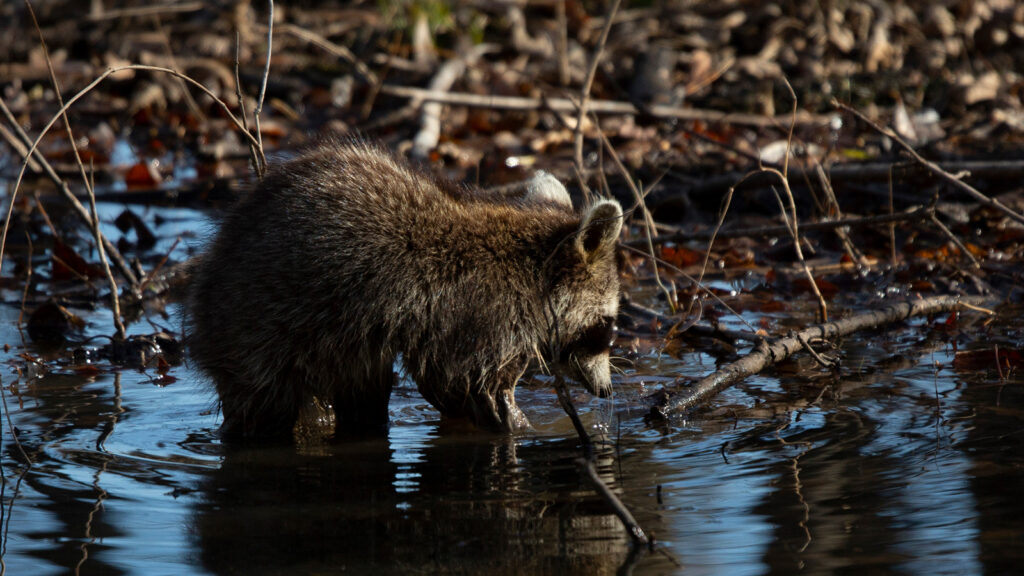
Robbie sees the backyard differently because he comes out after dark. He may see Bessie glide between the trees, hear frogs calling after rain, or watch moths circle near the porch light. He may smell Grenda’s front-yard shrubs, Scott’s hidden pecans, or berries that have dropped from a bush.
By nighttime, Biv and Kevin have usually quieted down. Wilson is resting. Roy and Renee are tucked into safe places. Tootie and Yoshi are inside with Grandma, and the yard belongs to the animals who use the dark hours.
One night, Bessie glides from the pecan tree to a branch above Robbie. Robbie looks up, and Bessie looks down.
“You took Scott’s house,” she says.
Robbie looks back toward the tree cavity. “They were open.”
Bessie wraps her tail around the branch. “That is not the same thing.”
Robbie thinks about that for a moment. Then he continues walking through the leaves, because Robbie has snacks to find and no interest in reopening the case.
Grandma does not hear this conversation. Tootie would have loved they. Scott would have brought they up for weeks.
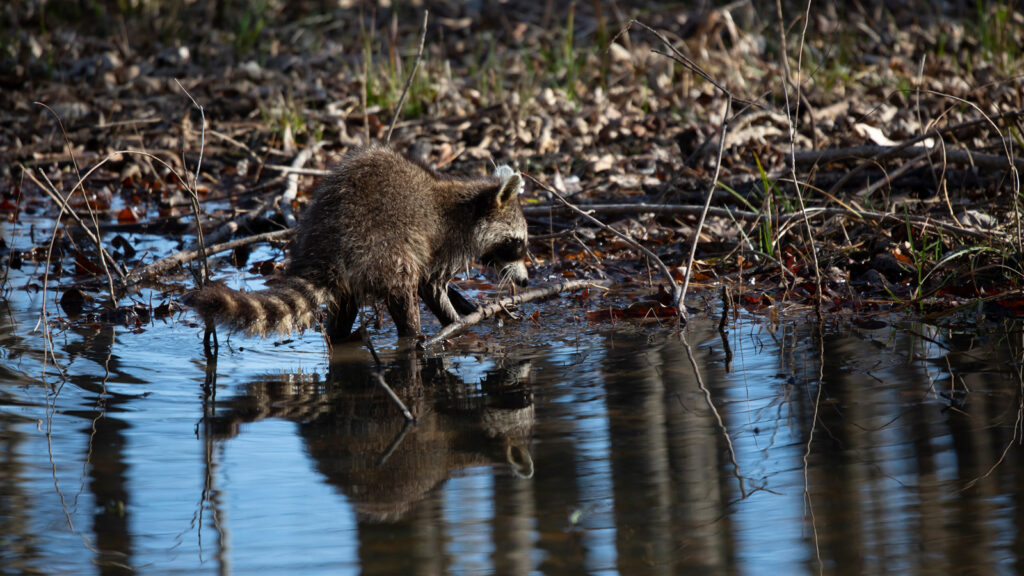
Grandma likes watching Robbie from far away. She does not feed him from her hand, leave pet food outside overnight, or leave the trash open. She also makes sure Tootie and Yoshi do not chase him.
Raccoons are wild animals. They can bite or scratch if they feel trapped or scared, and they can carry germs and parasites that people and pets should avoid. Robbie may be clever and funny to watch, but he is not a pet and does not need people trying to make him one.
Grandma says, “Robbie is a neighbor, not a pet.”
Tootie looks sad. “Can I say hi?”
Grandma nods. “From the porch.”
One night, Robbie walks near the bottom of the porch steps. Tootie sits beside Grandma and whispers, “Hi, Robbie.” Robbie looks up, listens for a moment, and then walks toward the pecan tree.
Tootie smiles. “He heard me.”
Grandma says, “He probably did.”
Yoshi watches Robbie disappear into the dark. “He did not want a conversation.”
Grandma nods. “That is one thing he and Grenda have in common.”
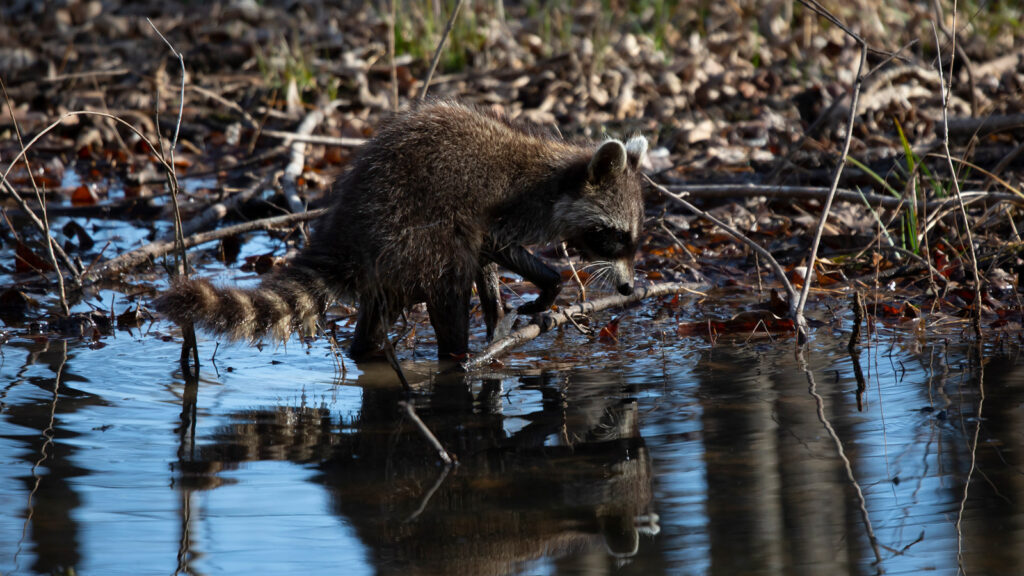
Robbie needs trees, natural food, safe cover, and room to move. He does not need people to leave out snacks, because food left outside can bring raccoons too close to homes, cars, and pets. They can also attract several animals at once, which can cause problems for all of them.
Keep trash cans closed. Bring pet food bowls inside at night. Keep bird feeders clean and place them where larger animals cannot easily reach them. Those small choices help wildlife stay wild and help keep Robbie from thinking the porch is his personal restaurant.
Dogs should be supervised outside after dark. Tootie and Yoshi should not chase Robbie, especially near a tree hollow or food source. Robbie will usually leave when he has space, but any wild animal may defend themselves if they feels trapped.
Grandma says, “Robbie can handle the night shift. We just need to stop leaving him a buffet.”
Robbie the Raccoon
These are some helpful words for talking about this wild neighbor.
Robbie the Raccoon
Good wildlife watchers ask good questions. Here are a few to get you started.
Raccoons naturally have dark fur around their eyes. The mask makes Robbie easy to recognize, especially when he looks up from the grass at night.
Raccoons are nocturnal. They usually look for food after dark, when the yard is quieter.
Robbie moved into the tree cavity Scott had been using. Scott still considers they stolen, and he has been very clear about that.
Robbie eats many kinds of food, including nuts, berries, insects, worms, eggs, and small animals. He may also investigate pet food, trash, and birdseed, which is why those things should stay secured.
Not exactly. Raccoons often use wet paws to feel food better, especially when they are searching around water or damp ground.
No. Robbie is wild. Watch him from a safe distance and let him move through the yard without being chased or touched.
Pet food can attract raccoons and other wildlife too close to the house. Keeping they inside helps protect both pets and wild animals.
Watch raccoons from a distance. Do not feed, touch, trap, or approach them. Keep pet food indoors at night, close trash cans, and supervise dogs outside after dark. Contact qualified local wildlife help if a raccoon is injured, trapped, inside a building, or acting unusually.