A Tootie’s Backyard Adventure
A Tootie’s Backyard Adventure
A Catahoula National Wildlife Refuge Adventure
A cold, bright winter morning put a thin silver shine on puddles beside the driveway. Grandma wore a warm coat, packed extra water, snacks, binoculars, hats, and the red field notebook. Tootie had added two granola bars to his pocket before Grandma found them and moved them to the cooler.
"Today we are visiting Catahoula National Wildlife Refuge," Grandma said. "Winter is a good season to look for waterfowl, but we will let the birds decide how close they want to be."
"What is waterfowl?" Tootie asked.
"Birds that live around water," Grandma said. "Ducks, geese, swans, and a few other birds. This refuge was established as a wintering area for migratory waterfowl, so we are going to watch with extra quiet."
Yoshi’s ears twitched. "What are our rules?"
"We check current refuge conditions before we go. We stay in allowed visitor areas. We keep our voices low. We do not toss food to birds. We do not walk toward flocks. We use binoculars instead of trying to get closer."
Tootie nodded. "I can use binoculars. I cannot become binoculars."
Grandma smiled. "That is the plan."
Think About It: Why might winter be an important time to give water birds extra room?
A Duck With a Red-Brown Head
The refuge held lowland hardwoods, open water, and wet places shaped by the rivers around it. The morning air carried a clean, cold smell. Far across the water, a group of ducks floated and dipped their heads beneath the surface.
Tootie lifted Grandma’s binoculars the wrong way around. The ducks became enormous, blurry moons.
"I see a giant duck," he whispered.
"Turn them around," Yoshi said gently.
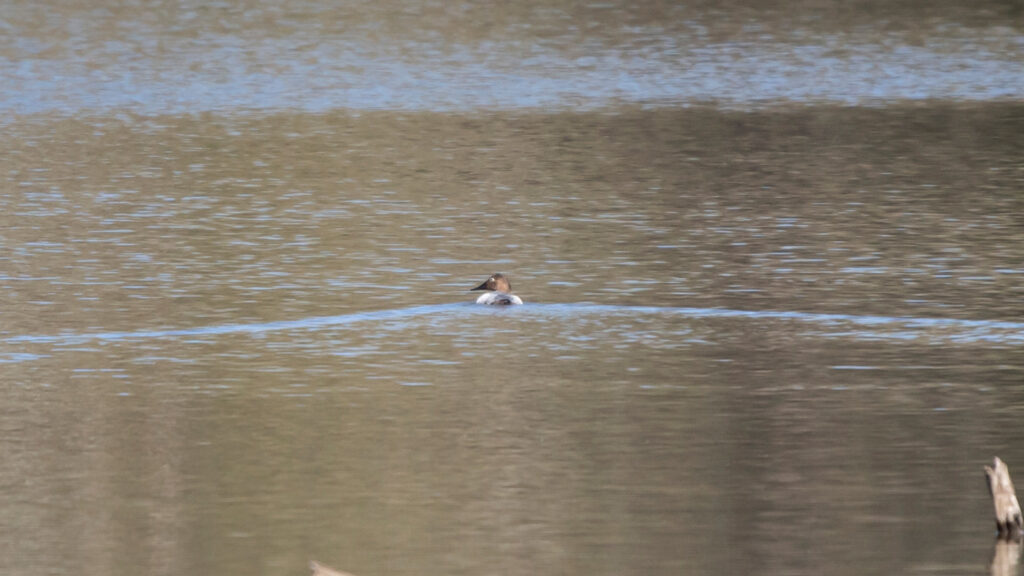
When Tootie fixed the binoculars, he saw a sleek duck with a warm red-brown head, pale body, and dark bill. She moved through the water with quick, smooth strokes.
"Every duck looks like a quacker to me," Tootie said.
"A cruel sentence," said the duck. "I am Cami the Canvasback."
Cami drew her head high. "My people have a long, sloping head shape and a bill built for our kind of feeding. We are not just duck-shaped decorations."
Grandma lowered her binoculars. "Cami is right. Different ducks have different shapes, colors, voices, foods, and habits. Careful watching helps us see the differences."
Think About It: What details could help you tell one duck from another besides color?
Cami’s Long Trip Lesson
Cami paddled a little closer, but she stayed well beyond the group’s viewing area. "Many waterfowl travel between breeding places and wintering places as the seasons change," she said. "Migration is a long trip. Birds need safe places to rest, feed, and save energy along the way."
Tootie watched the flock. Some ducks dabbed at the water. Others tucked their heads or drifted quietly. "They look like they are taking a break."
"They are," Cami said. "Rest matters. Food matters. Quiet matters. A flock that keeps flying away from people loses time and energy it needs for the season."
Grandma explained that refuges protect habitat where wildlife can find what it needs. At Catahoula, wintering waterfowl use the refuge’s wetlands and surrounding habitat. The exact birds a family sees can change with weather, water levels, season, and luck. Nature does not punch a time clock for visitors.
Tootie looked thoughtful. "So we do not make ducks spend their lunch break running from us."
"That is an excellent rule," Cami said.
Think About It: Why would a migratory bird need places to rest and feed during a long trip?
The Wrong Way to Meet a Duck
A small group of ducks drifted toward a quieter part of the water. Tootie reached into the snack bag. "Do ducks like crackers?"
Grandma closed the bag. "Wild ducks need natural food, not people food."
"And they do not need a crowd walking closer," Cami added. "Binoculars let you see us without making us choose between resting and escaping."
Tootie looked at the crackers. "I was trying to be friendly."
"Being friendly to wildlife often means giving it space," Yoshi said. "You can care about an animal without asking it to come to you."
Cami nodded. "A respectful visitor is a quiet visitor with good binoculars."
Think About It: How can giving wildlife space be a kind choice?
The Flock Lifts
A distant sound carried across the refuge. Several ducks raised their heads. The flock shifted. Then, one by one, the birds pushed into the air. Wings beat fast. The group moved low over the water before settling farther away.
Tootie watched with his mouth open. "Did we scare them?"
Grandma listened. "No. We stayed quiet and far back. Birds move for many reasons. The important thing is that we did not add pressure."
Cami circled once and returned to the water. "Wildlife does not perform for us," she said. "We watch what happens, then we let animals keep making their own choices."
Tootie nodded. "We can enjoy the show without being the problem."
Yoshi smiled. "That may be the best sentence of the day."
Think About It: Why is it better to let animals choose where they go than to try to make them come closer?
Yoshi checked the wind, the viewing area, and the map before they headed back. "Winter water rules," she said. "Dress for the weather. Stay with your grown-up. Stay in allowed areas. Keep away from water edges and soft ground. Use binoculars instead of walking closer. Do not feed birds. Check current refuge rules, hunting notices, and closures before you visit."
Grandma added, "Wildlife places often have seasonal uses and different rules. Reading signs is part of being a good guest."
Cami tucked one foot beneath her feathers. "And hold onto your snacks. Ducks have better plans for lunch."
Think About It: What should you bring or check before a cold-weather wildlife watching trip?
Grandma Brings It Home
On the ride home, Grandma asked Tootie what he learned from Cami.
"Every duck is not just a quacker," Tootie said. "Some ducks travel far. They need water, food, rest, and space. And crackers are for me."
Yoshi looked at the cooler. "The last part may be your favorite science fact."
"It is important," Tootie said.
Think About It: What is one respectful way to watch birds near water in winter?
Try It Yourself: Duck Shape Sketch
13. With an adult, watch birds at a safe distance from a park, pond, lake, or bird feeder.
14. Choose one bird and draw its head shape, bill shape, body shape, and how it moves.
15. Write one thing you know and one question you still have.
16. Use a field guide or a trusted wildlife website with an adult to learn more. Do not feed or chase birds to get a closer look.
Think About It: How can drawing a bird help you notice details that a quick glance misses?
Migration: A seasonal journey that some animals make between places where they breed, feed, rest, or spend the winter.
More to Notice in a Winter Flock
At first, a flock of ducks can look like a moving patch of dots. Then binoculars reveal more. Some ducks sit high on the water. Some ride lower. Some tip forward to feed. Some dive. Some keep their heads tucked while others watch the sky. A patient observer can look for shape, size, color blocks, bill shape, and how a bird moves.
Cami explains that winter bird watching does not require knowing every name. Start with simple comparisons. Which bird is bigger? Which bird has a longer bill? Which one dives? Which one stays closer to the shore? Those details help a watcher learn without guessing wildly.
Grandma reminds Tootie that the flock may change while they watch. A bird can fly in, fly out, tuck its head, preen feathers, or disappear behind plants. The goal is not to make the birds hold still for the notebook. The goal is to notice what they choose to do.
Tootie says he can identify a duck by whether it looks like it is judging him. Cami says, "That would identify most ducks incorrectly, but I appreciate the effort."
Think About It: What is one bird detail you could watch besides color?
Grandma’s Field Notes
Grandma writes the date, temperature, cloud cover, wind, water level, and the number of duck groups she can see. She does not need an exact count if the flock is far away. A note such as "many ducks in one distant group" can still be honest and useful for a young observer.
She asks Tootie to sketch one bird shape. He draws Cami’s long head and bill, then writes, "Canvasback, not just quacker." Cami says that is a respectable start.
Yoshi adds the final note: "Watched from the visitor area. Did not feed birds. Left the flock calm." That might be the best field note of the whole trip.
Think About It: What would you write down to remember that you watched wildlife respectfully?
What Winter Waterfowl Need
Wintering ducks need a place where they can feed, rest, and move safely through the season. Weather can change water levels and food availability. A quiet place with good habitat gives birds a better chance to save energy for migration and for the work ahead when seasons shift again.
Cami says a flock is not one giant bird. Every duck has its own needs, but the group benefits when people do not crowd it. A distant flock can keep feeding and resting. A disturbed flock may lift, circle, and settle somewhere else, using energy it needed for the day.
Grandma tells Tootie that responsible bird watching begins with distance. Binoculars, patience, and a warm coat can do more good than a person trying to edge closer for a bigger picture. "The best photo is never worth making a bird move," she says.
Think About It: Why can a pair of binoculars be kinder to birds than walking closer?
A Tiny Trail Challenge
Before you leave a bird-viewing area, choose one bird shape and draw it from memory. You may remember a round body, a long bill, a short neck, a tail that points up, or a head that slopes down to the bill. Compare your drawing with what you see through binoculars, then add one missing detail.
Tootie adds Cami’s long head and says, "I learned two things. Ducks have details, and I need to stop calling every bird a quacker." Cami considers this a major success.
Think About It: What detail did you notice after looking a second time?
Kid FAQs
What is a Canvasback?
A Canvasback is a diving duck. It has a long, sloping head shape and spends time on open water.
Why do some ducks migrate?
Seasonal changes affect food, weather, nesting places, and safe water. Migration helps many birds use the places they need at different times of year.
Can I feed ducks bread or crackers?
No. Wild ducks need natural food. Human snack foods can be unhealthy and may cause wildlife to gather too closely around people.
Why should I use binoculars?
Binoculars help you see birds from a respectful distance, so you do not need to walk closer or disturb them.
Adventure Friend Rules
· Stay with your grown-up and follow posted rules.
· Stay on allowed trails, boardwalks, roads, and viewing areas.
· Watch wildlife from far away. Never chase, feed, grab, or collect it.
· Read current closures, weather alerts, seasonal notices, and permits before every visit.
· Take home photographs, drawings, and stories. Leave wild things where they belong.
Tootie packed up his notebook, Yoshi checked that everyone had their things, and Grandma smiled.
What will they notice on the next adventure?
📖 Keep Reading
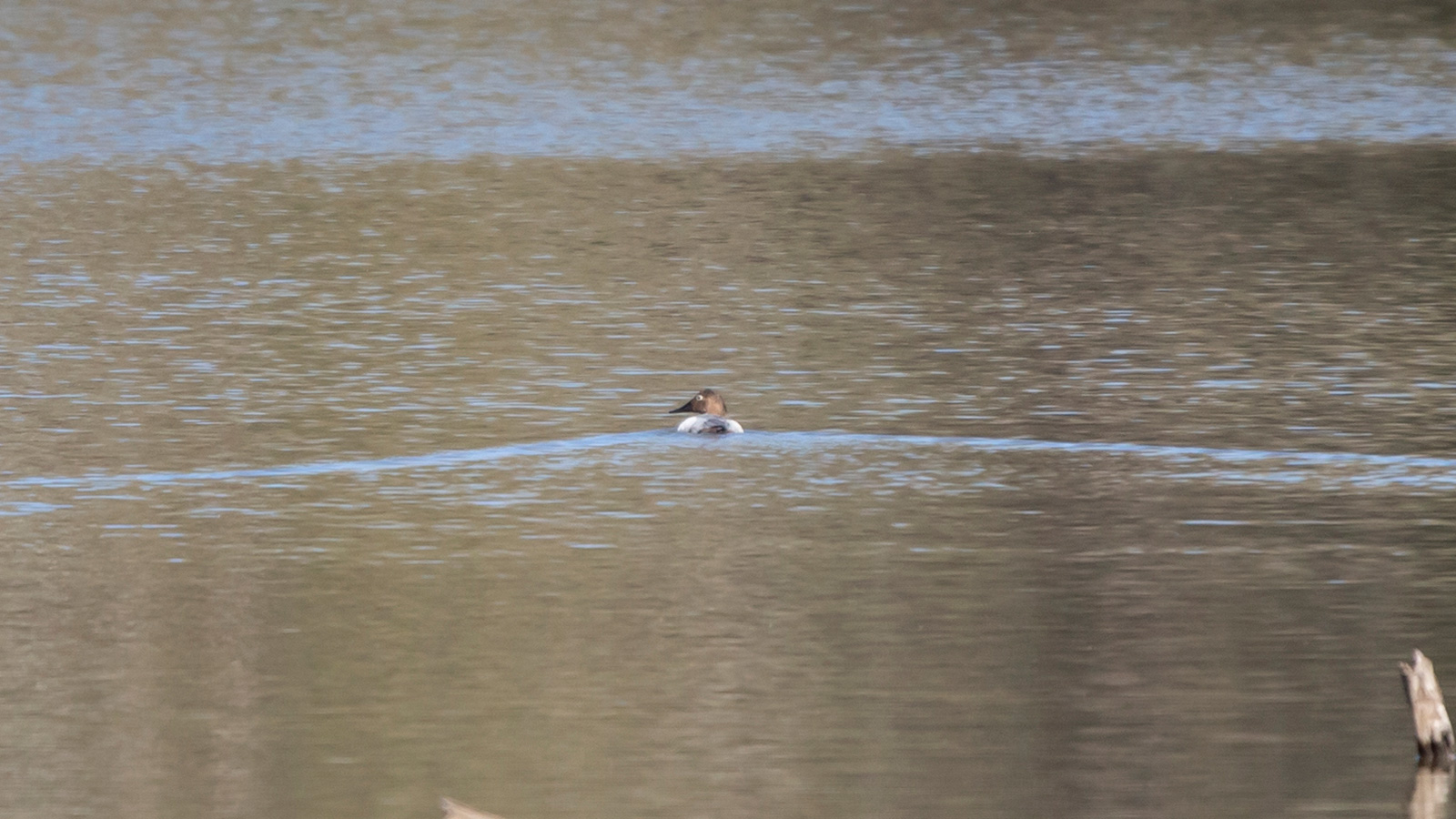
Join Tootie, Yoshi, Grandma, and Cami the Canvasback at Catahoula National Wildlife Refuge as they learn why winter waterfowl need food, rest, quiet water, and respectful visitors.
Join Tootie, Yoshi, Grandma, and Cami the Canvasback at Catahoula National Wildlife Refuge as they learn why winter waterfowl need food, rest, quiet water, and respectful visitors.
Join Tootie, Yoshi, Grandma, and Cami the Canvasback at Catahoula National Wildlife Refuge as they learn why winter waterfowl need food, rest, quiet water, and respectful visitors.
🏅 Explorer Progress
Tootie's Backyard participates in the Amazon Associates program. Some links may be affiliate links, which can earn us a small commission at no extra cost to you. We share recommendations for adult Safety Pilots, families, educators, and outdoor learning.
Observe first. Keep your hands to yourself. Leave wild neighbors where they belong.
Tootie's Backyard is designed for families to explore together. We use cookies to save game progress and backyard discoveries — no personal data is collected or sold. Any commercial content is intended for adult Safety Pilots, not children. Privacy Policy